At home
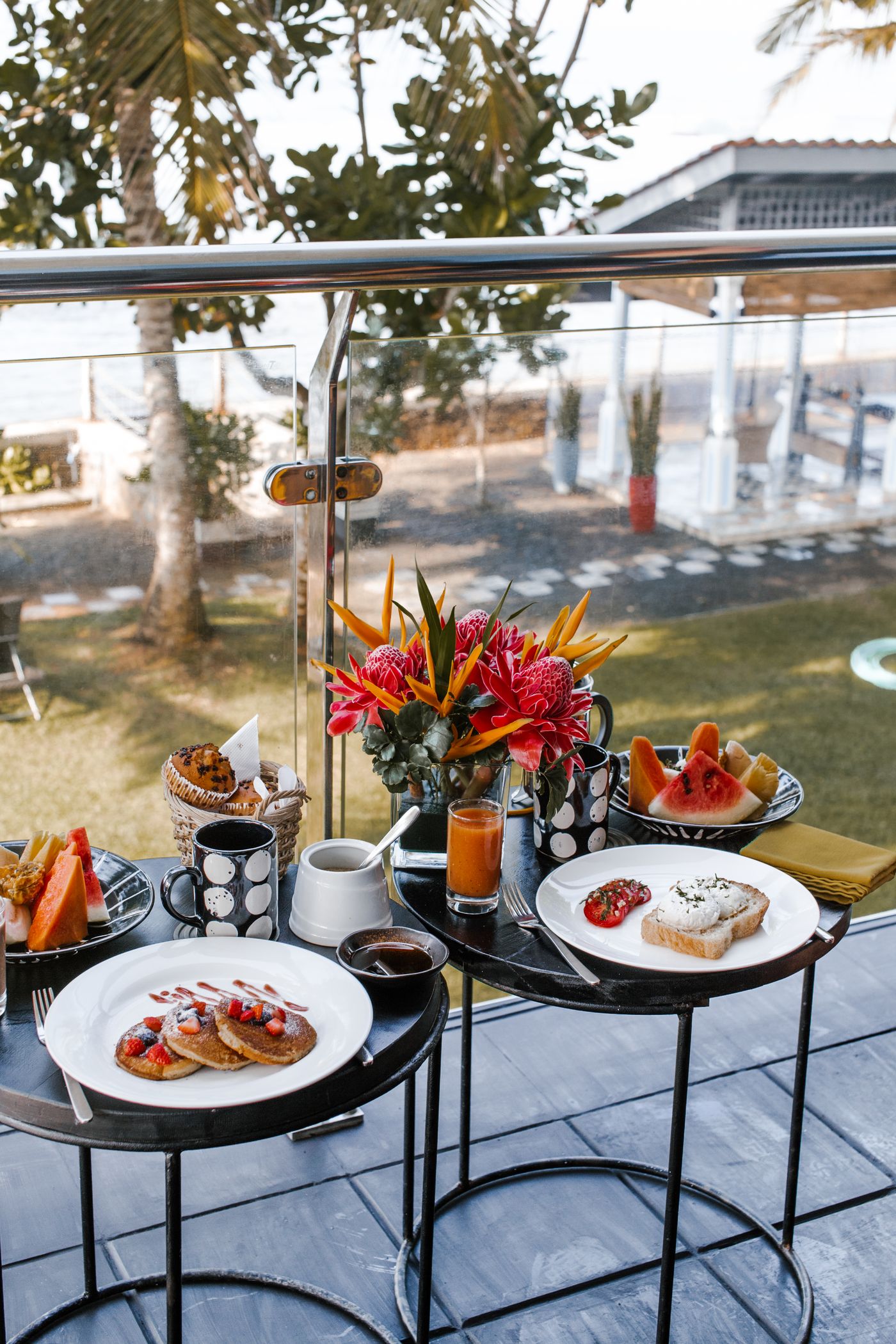
Breakfast on a small balcony
Fit two seats and a tray without blocking the door.
125 articles
Fit two seats and a tray without blocking the door.

Build the landing spot around your arrival routine, not around a decorative accessory.
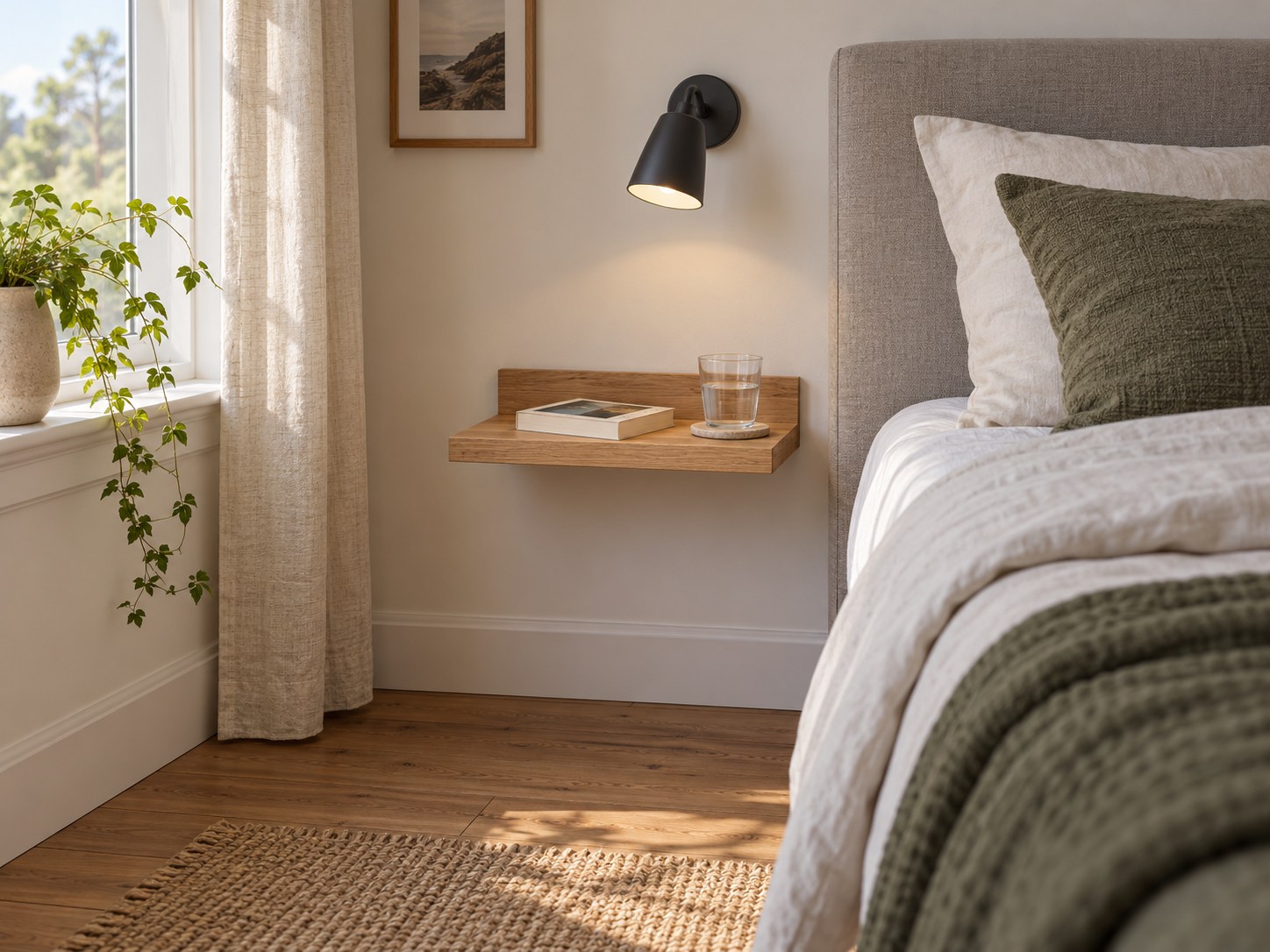
Keep essentials within reach when the bed already fills most of the room.

An order based on use rather than matching cover colours.

Frames and arrangements you can move without improvising wall fixings.
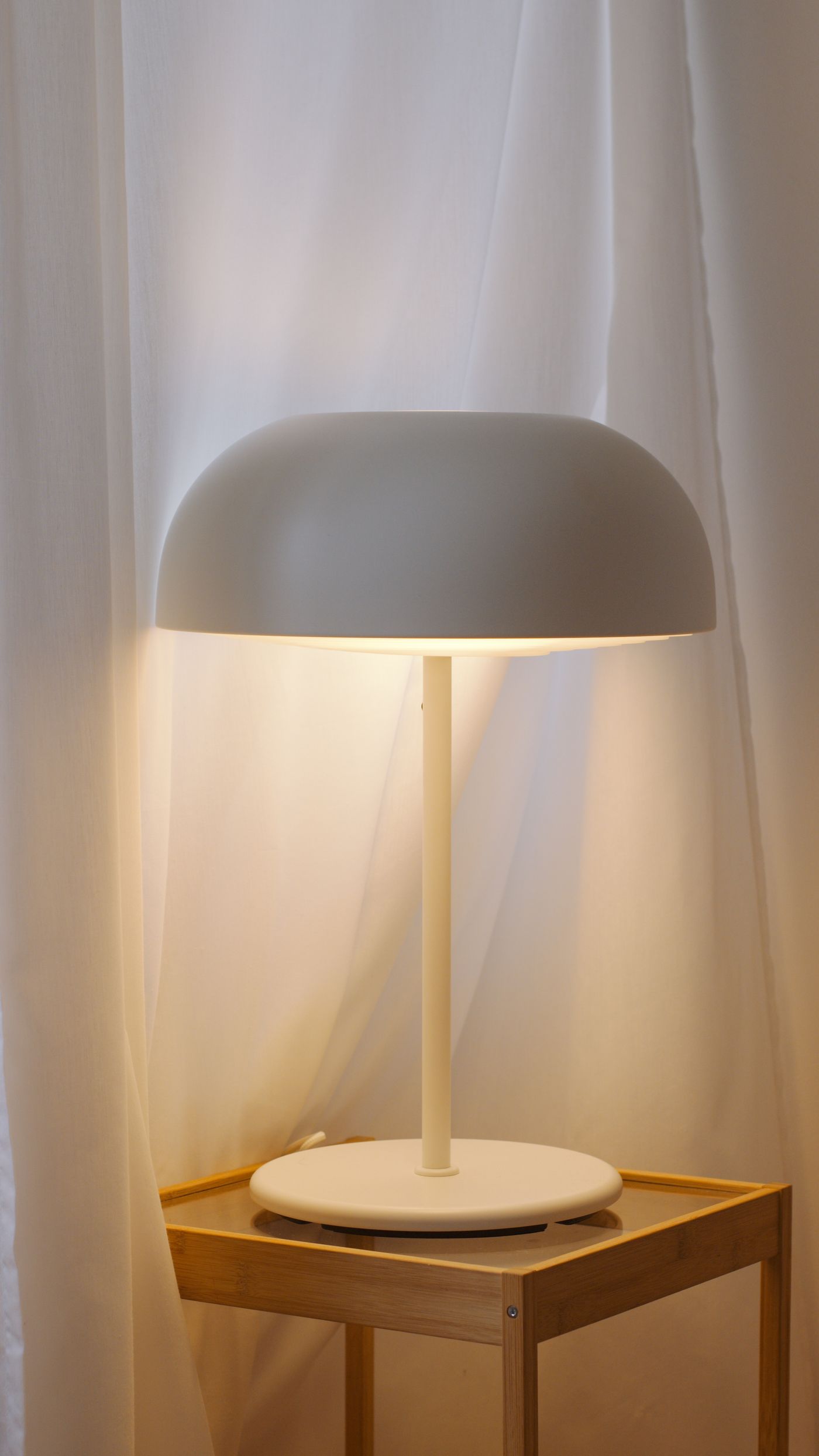
Place a few light sources around what happens in the room.
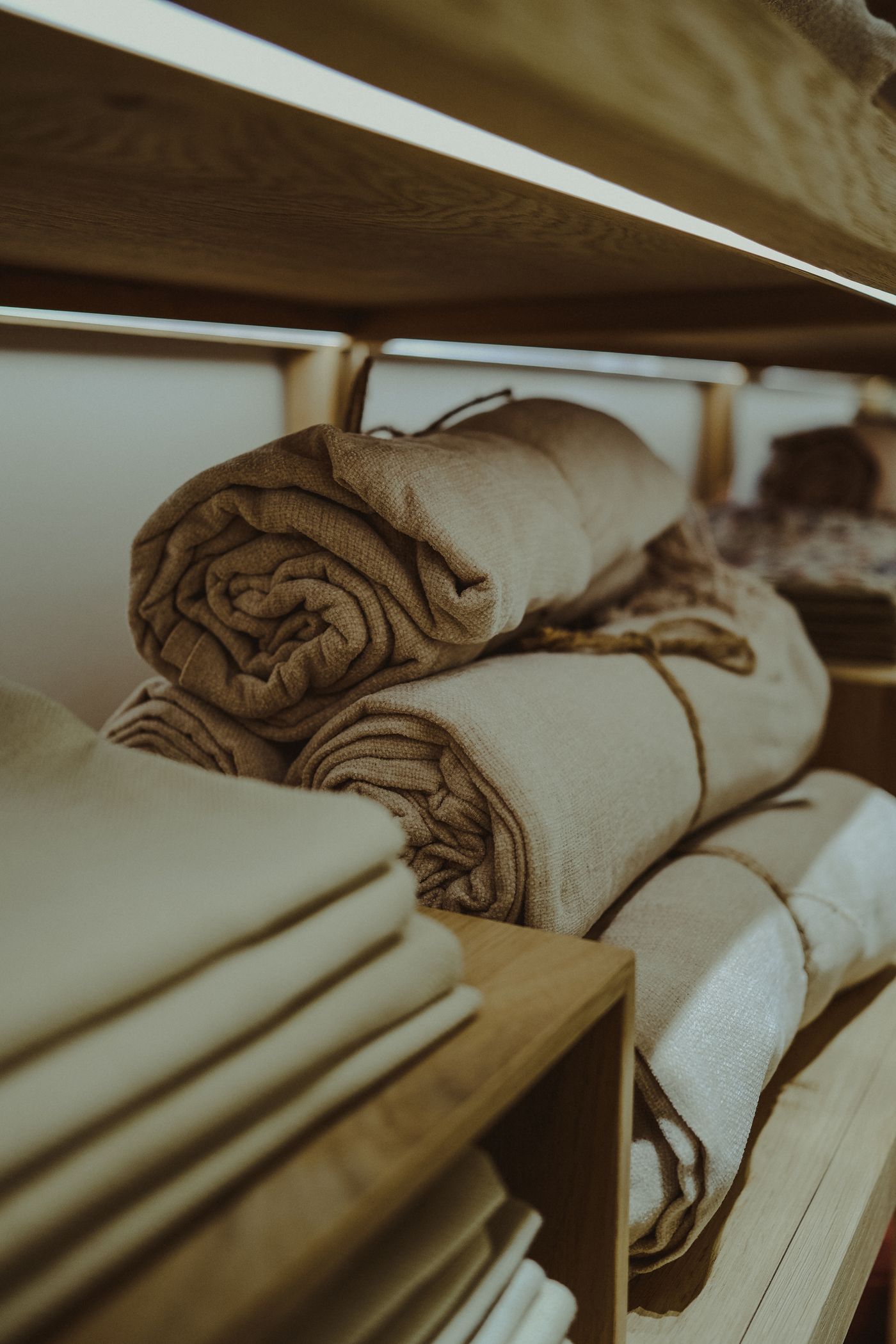
Group bedding by bed and leave room to put it back.
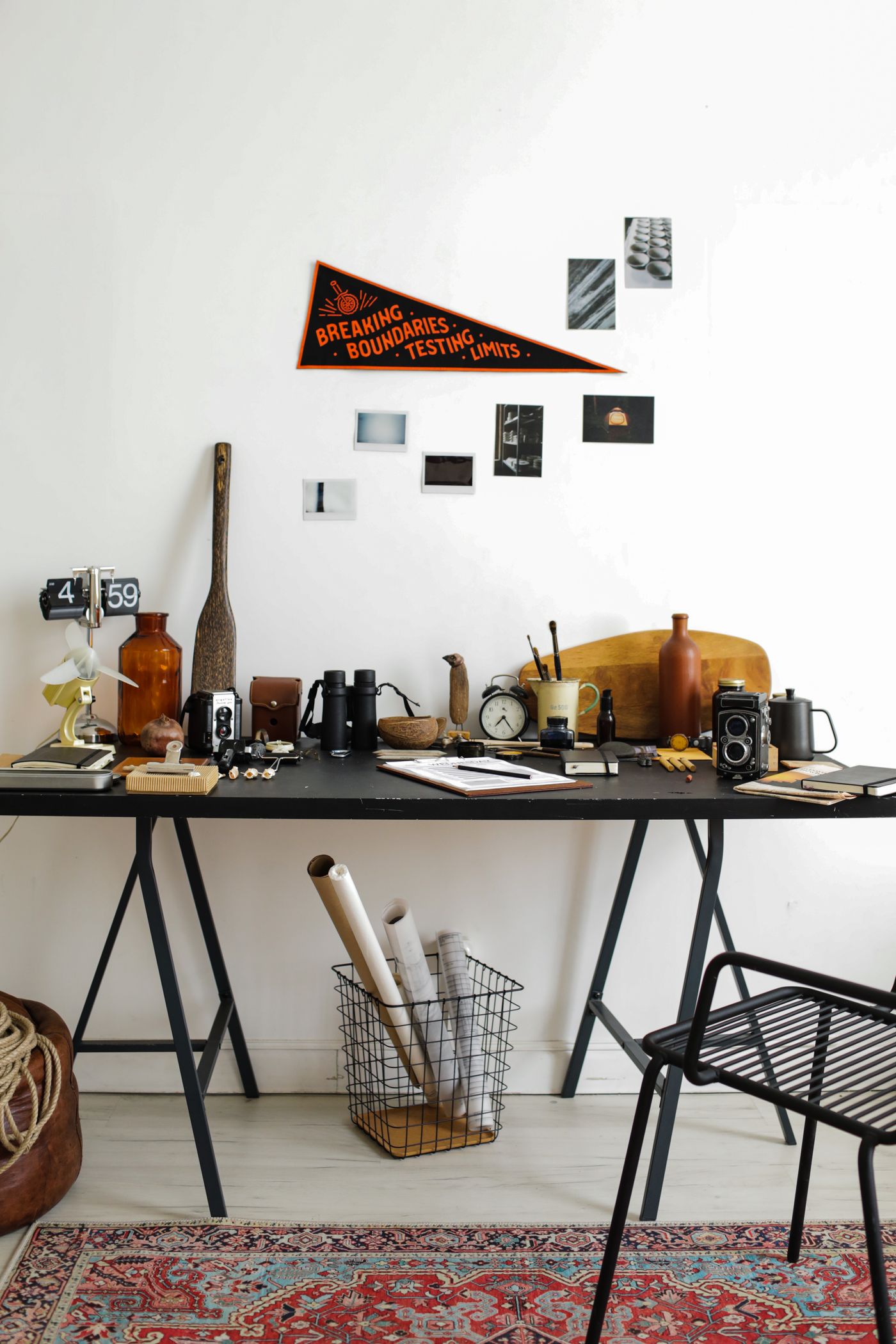
Decide whether you need a writing spot or an all-day workstation.
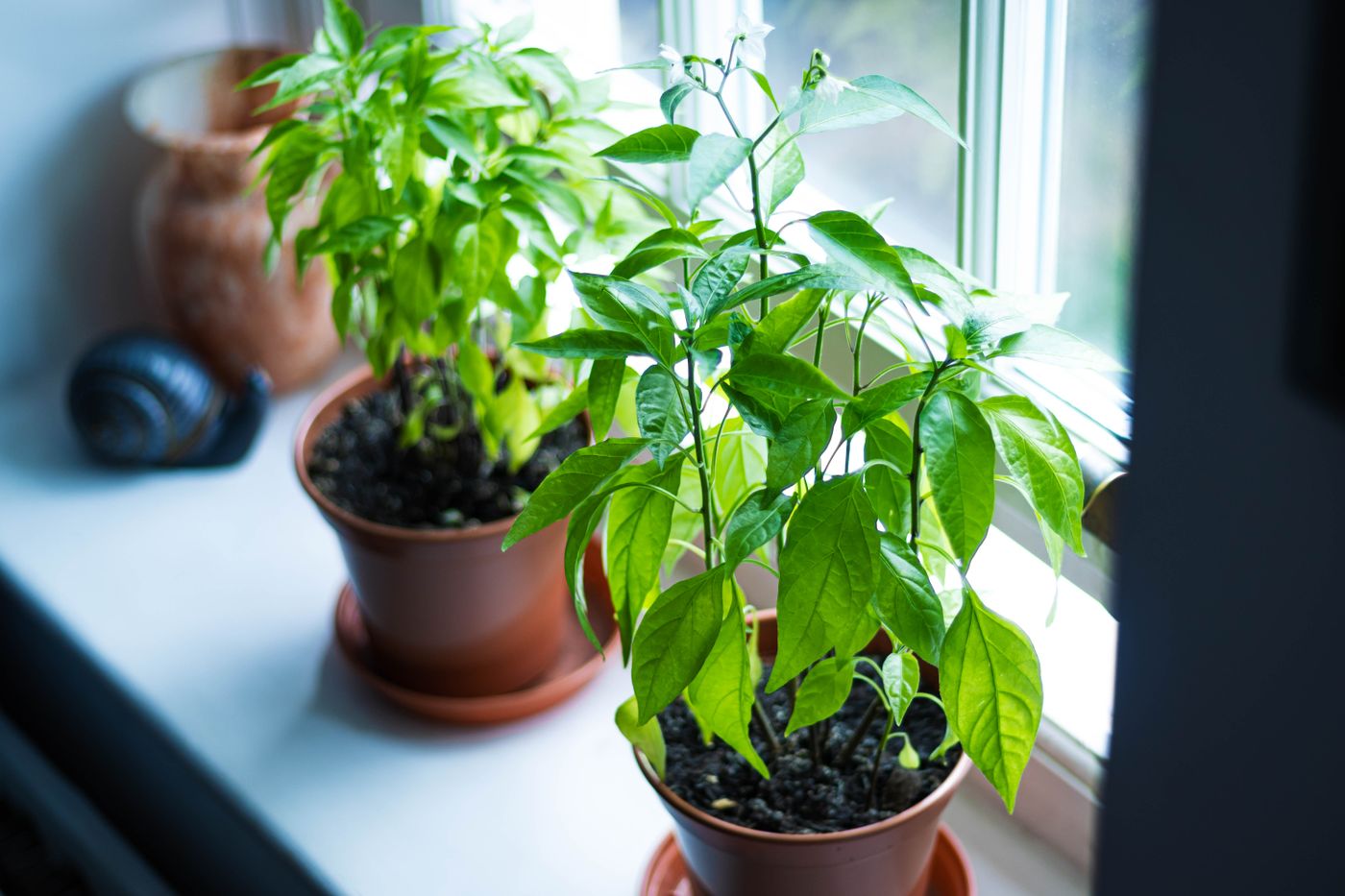
Start with light and usable space, not just pot size.
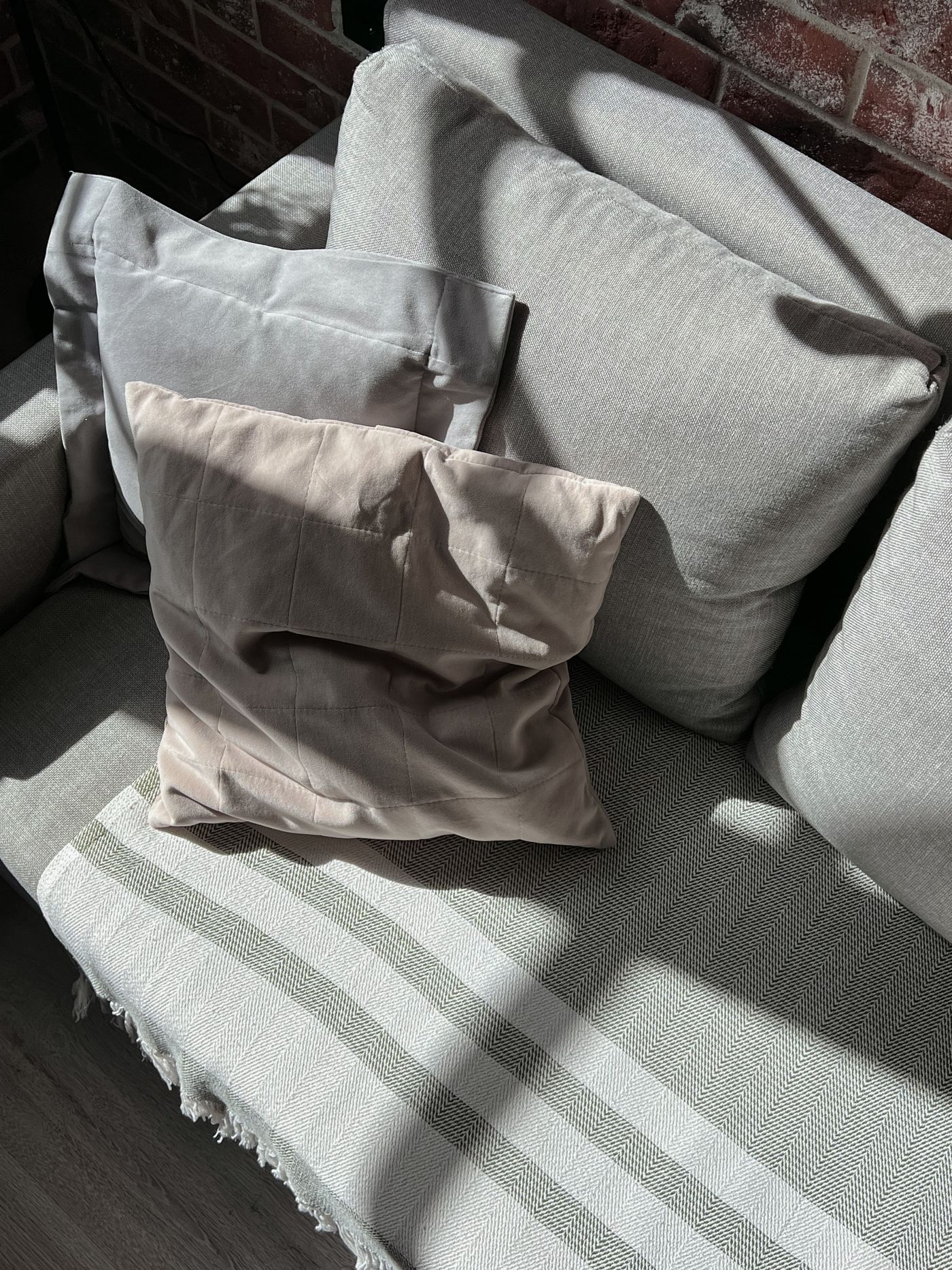
Borrow an existing colour and vary texture before adding more patterns.
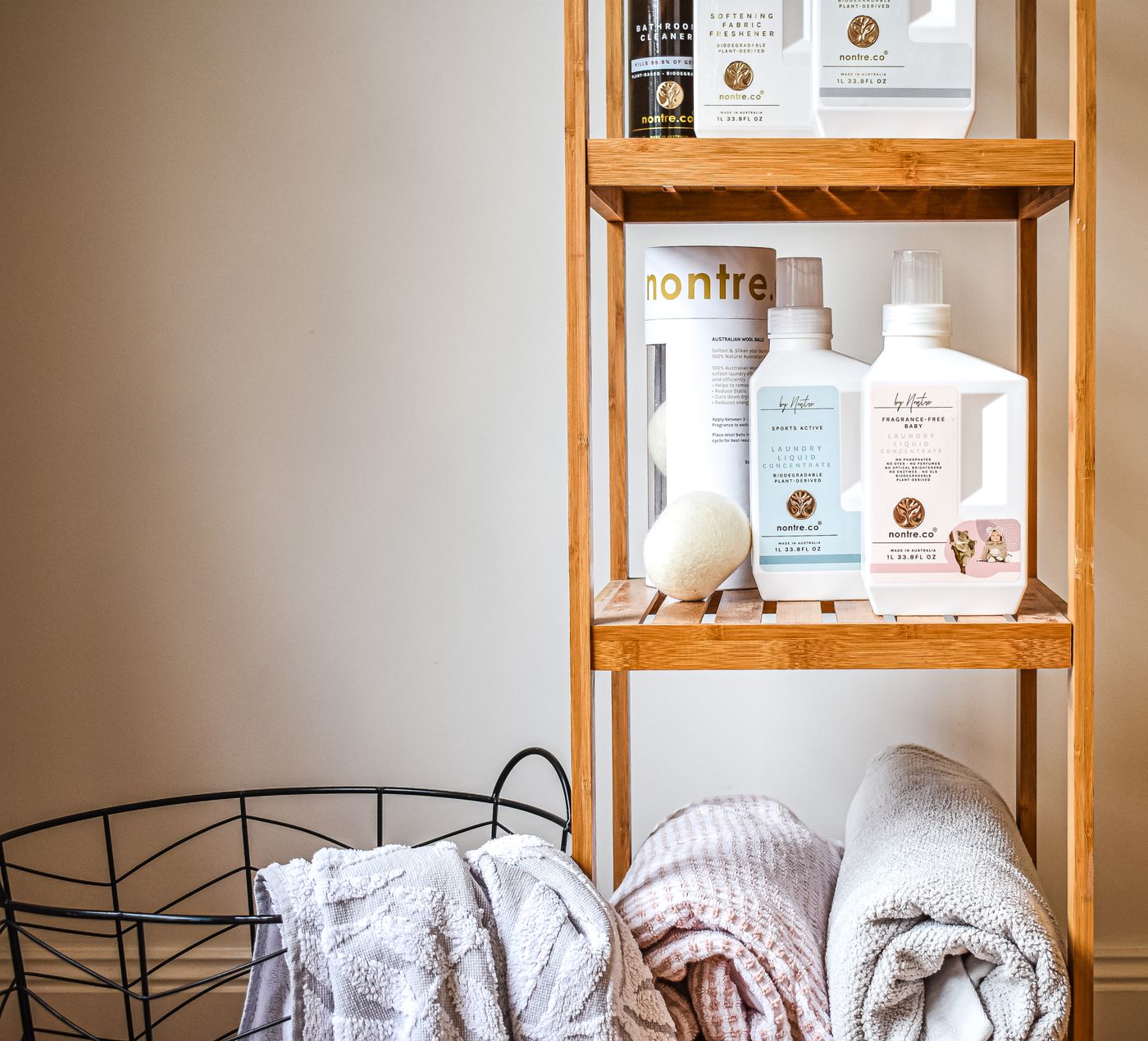
Separate daily use from spare supplies and keep the surface easy to clean.
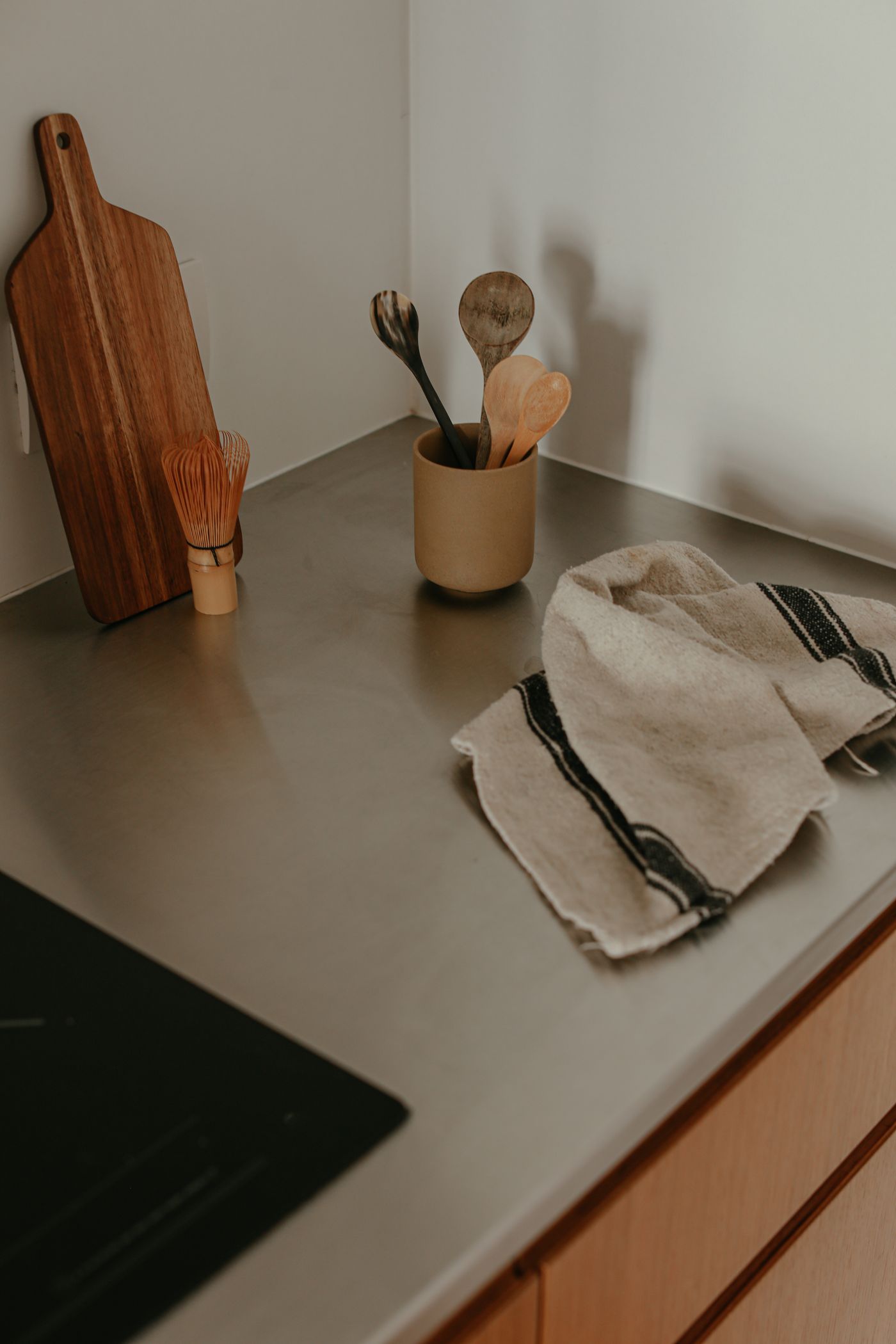
Protect preparation space and bring together the tools used for the same task.
Deal with everyday drop-offs before choosing a console table.
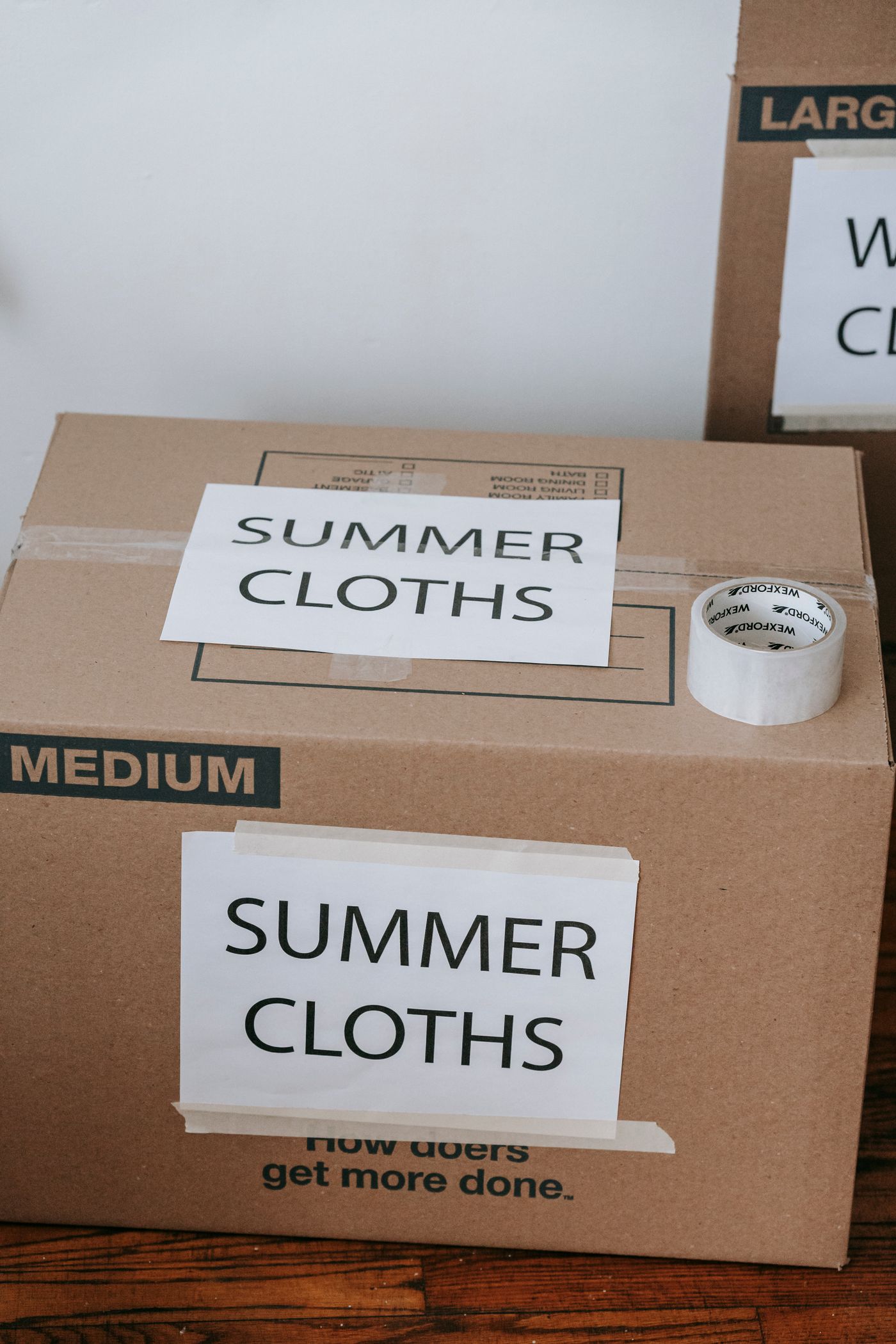
Make storage readable without hiding repairs or forgotten garments.
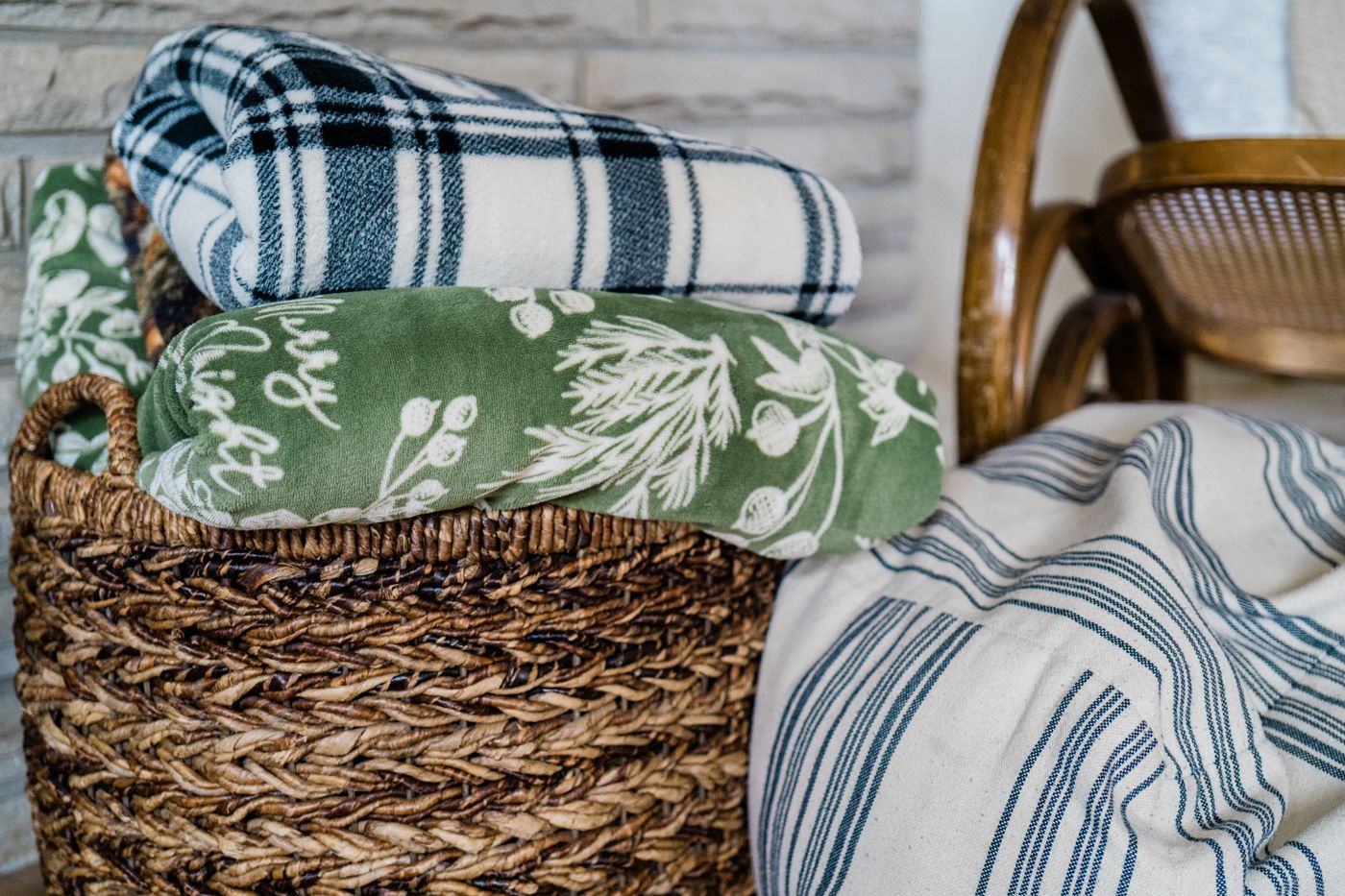
Gather the linen and test the evening setup before anyone arrives.
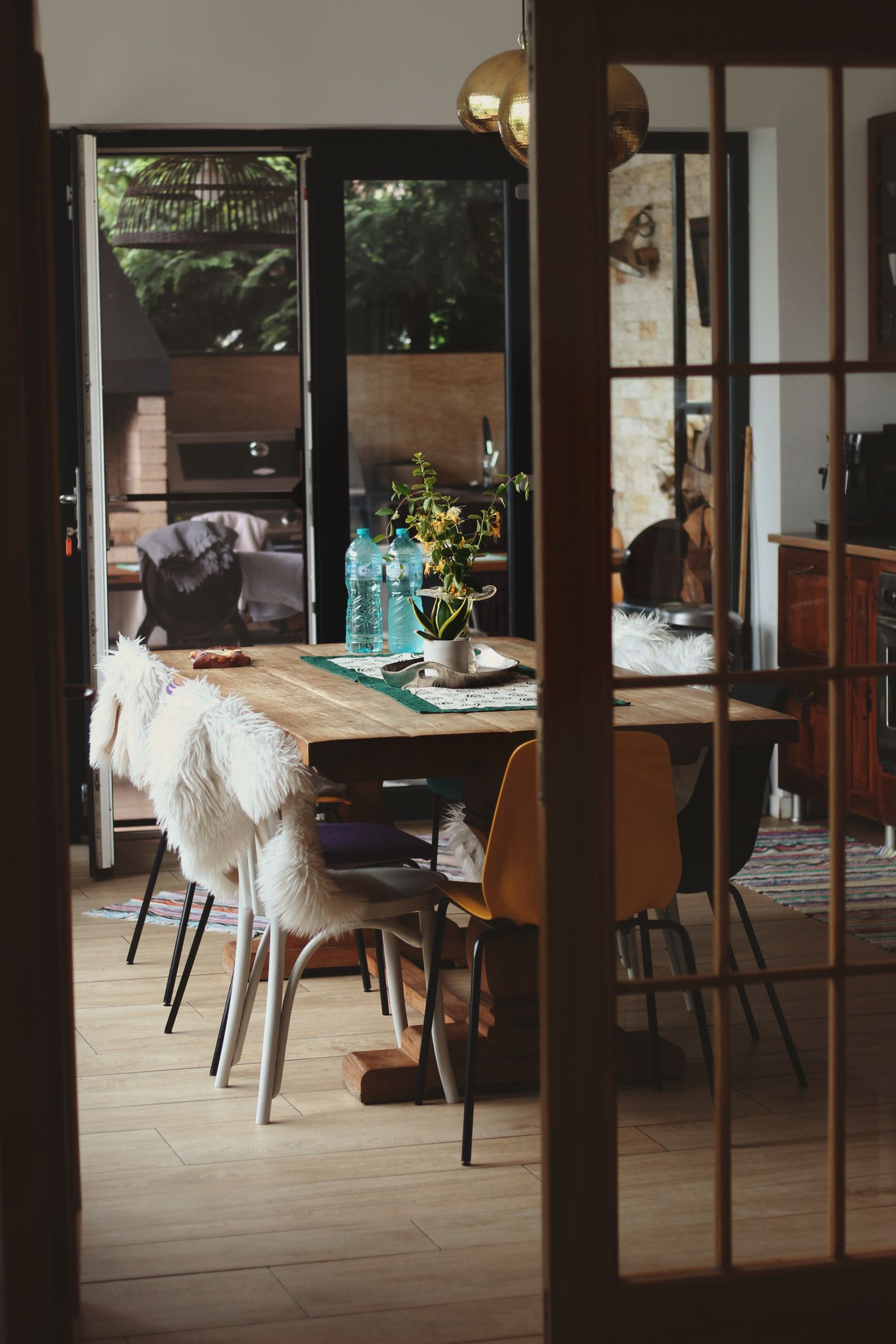
A shared table can serve several purposes without becoming permanent storage.
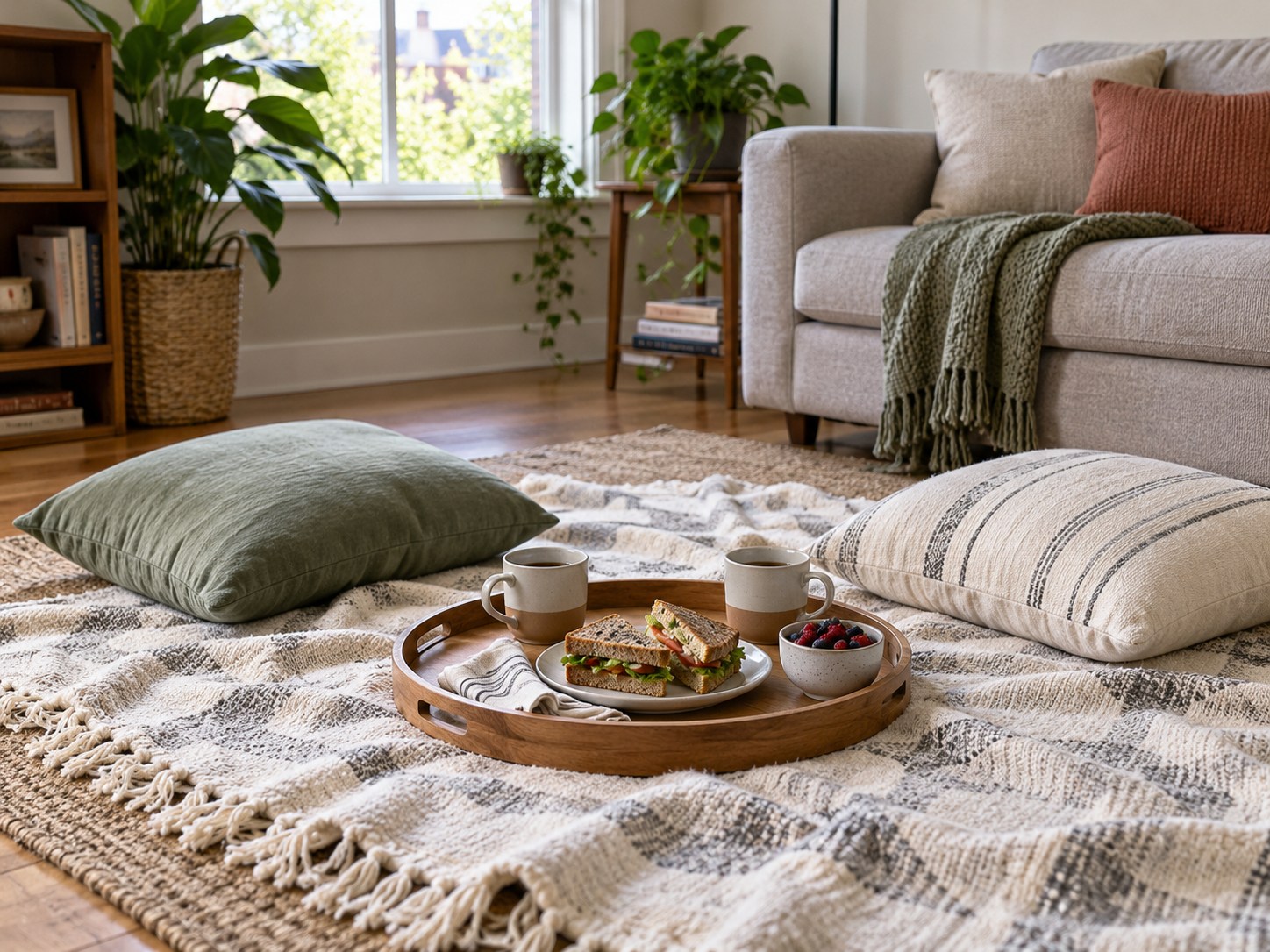
Change how you share a meal when the weather keeps everyone home.
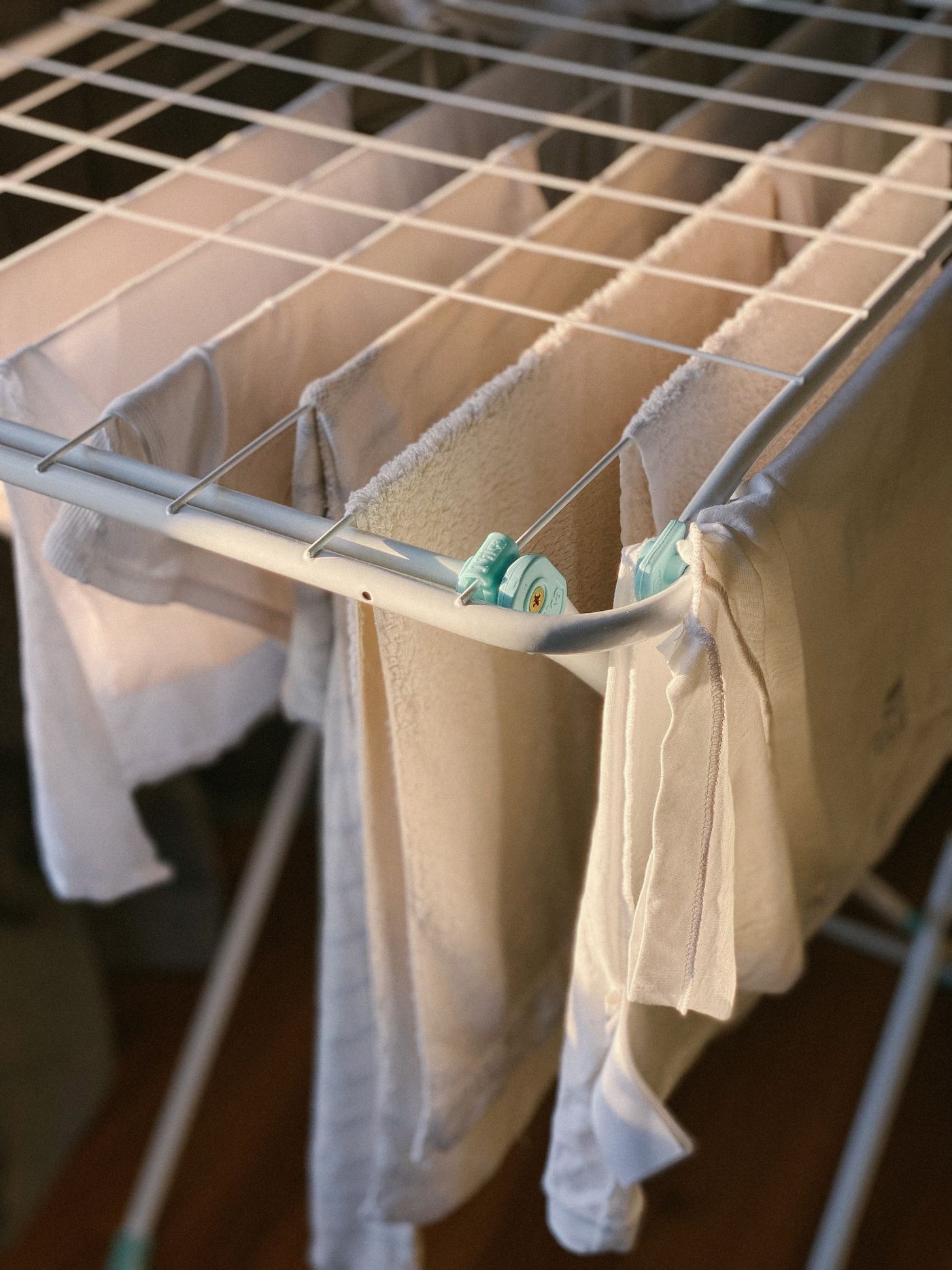
Plan the drying space before starting the wash.
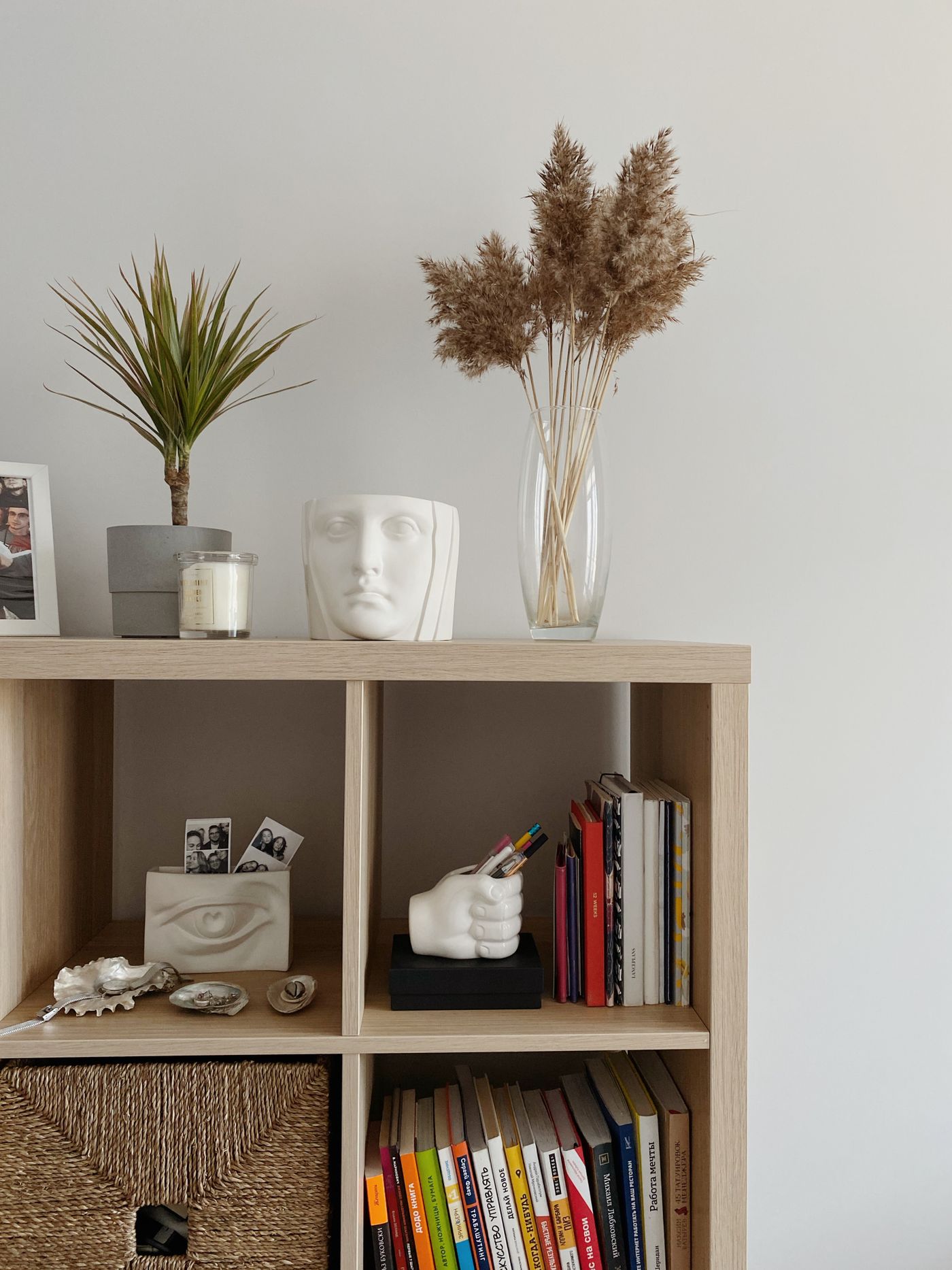
Make one story visible and keep the rest in identified storage.
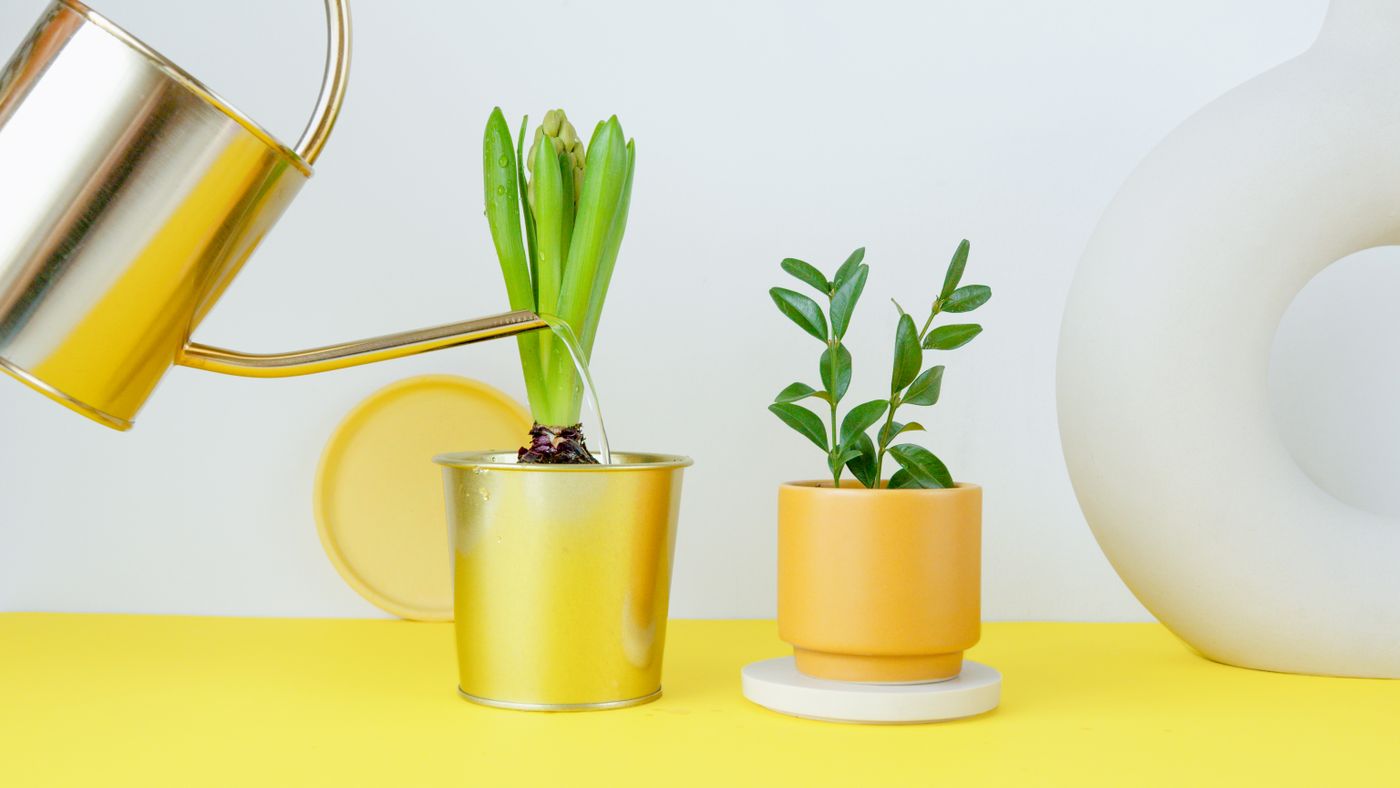
Make the tools accessible without turning watering into an automatic timetable.
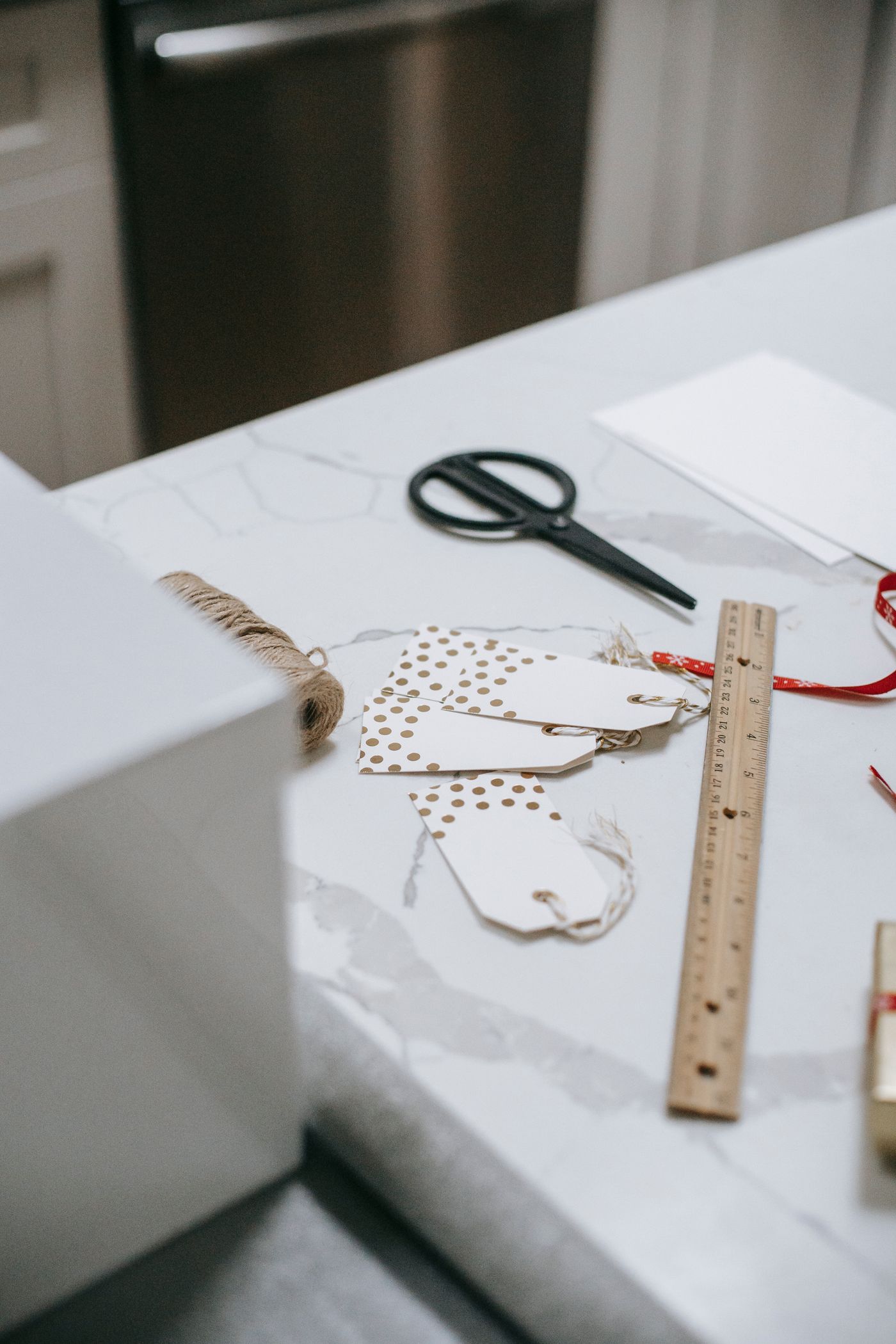
Keep what will genuinely serve again, not every scrap of paper.
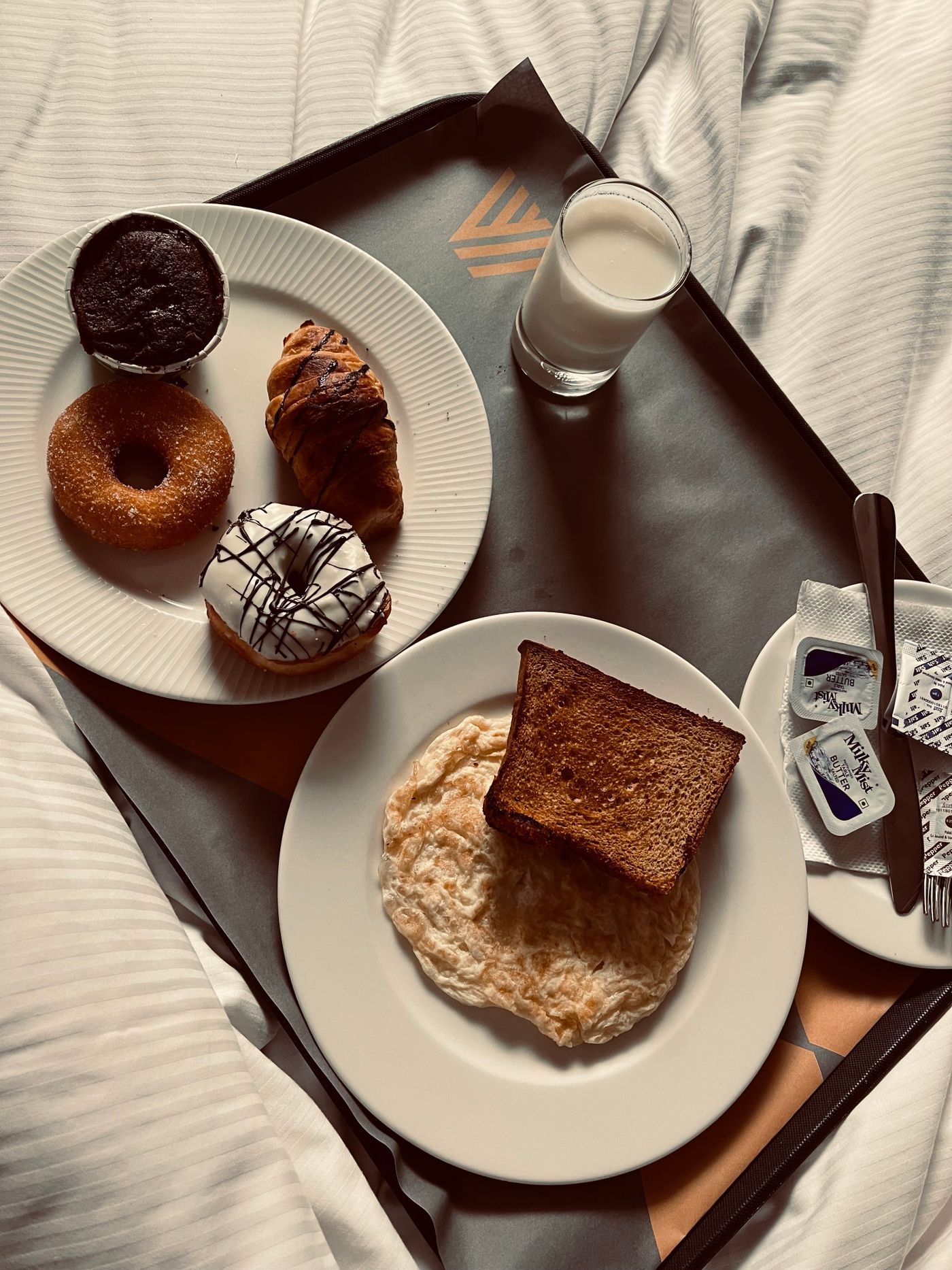
Think about weight and serving before presentation.
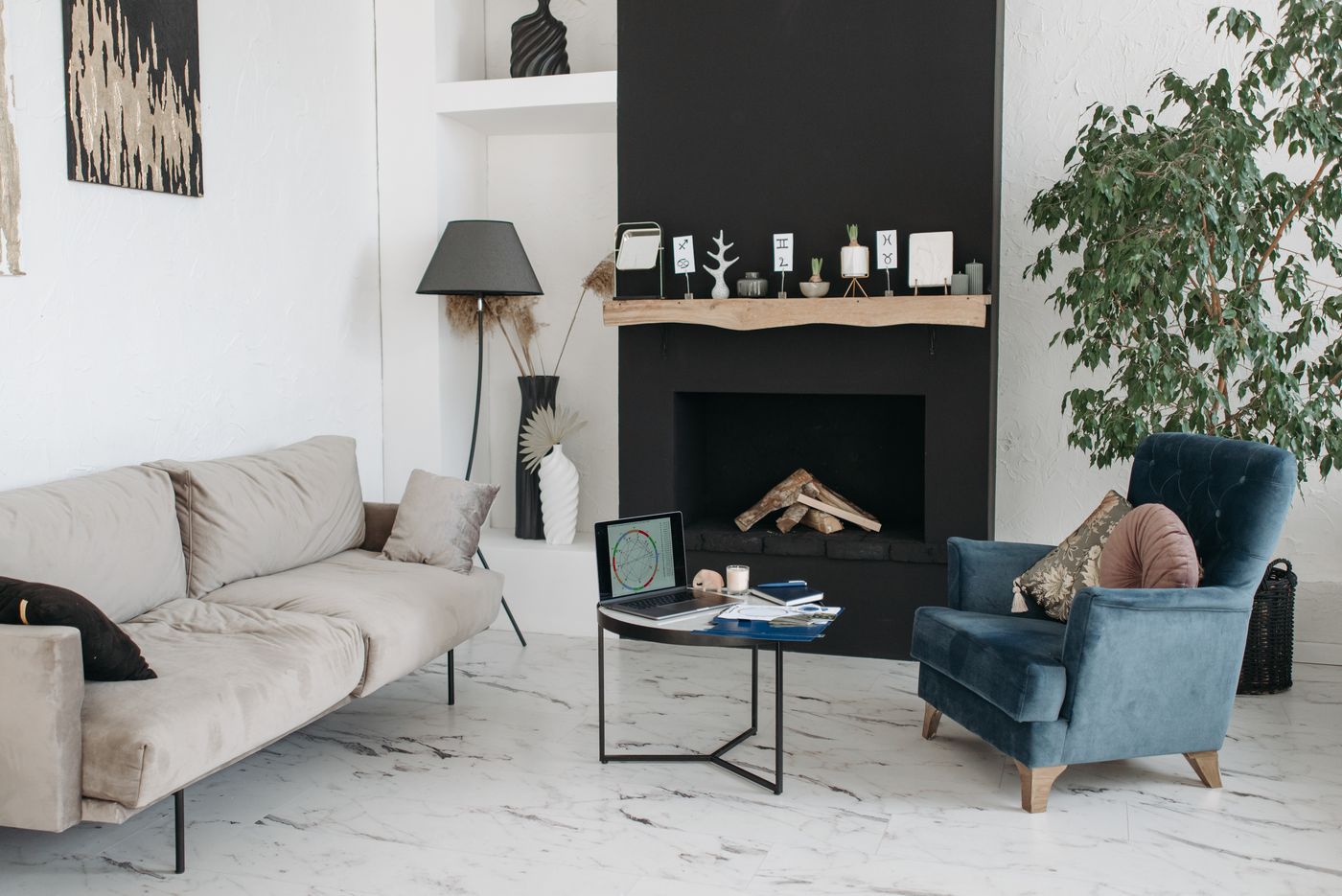
Organise seats, storage and timing before adding dividers.
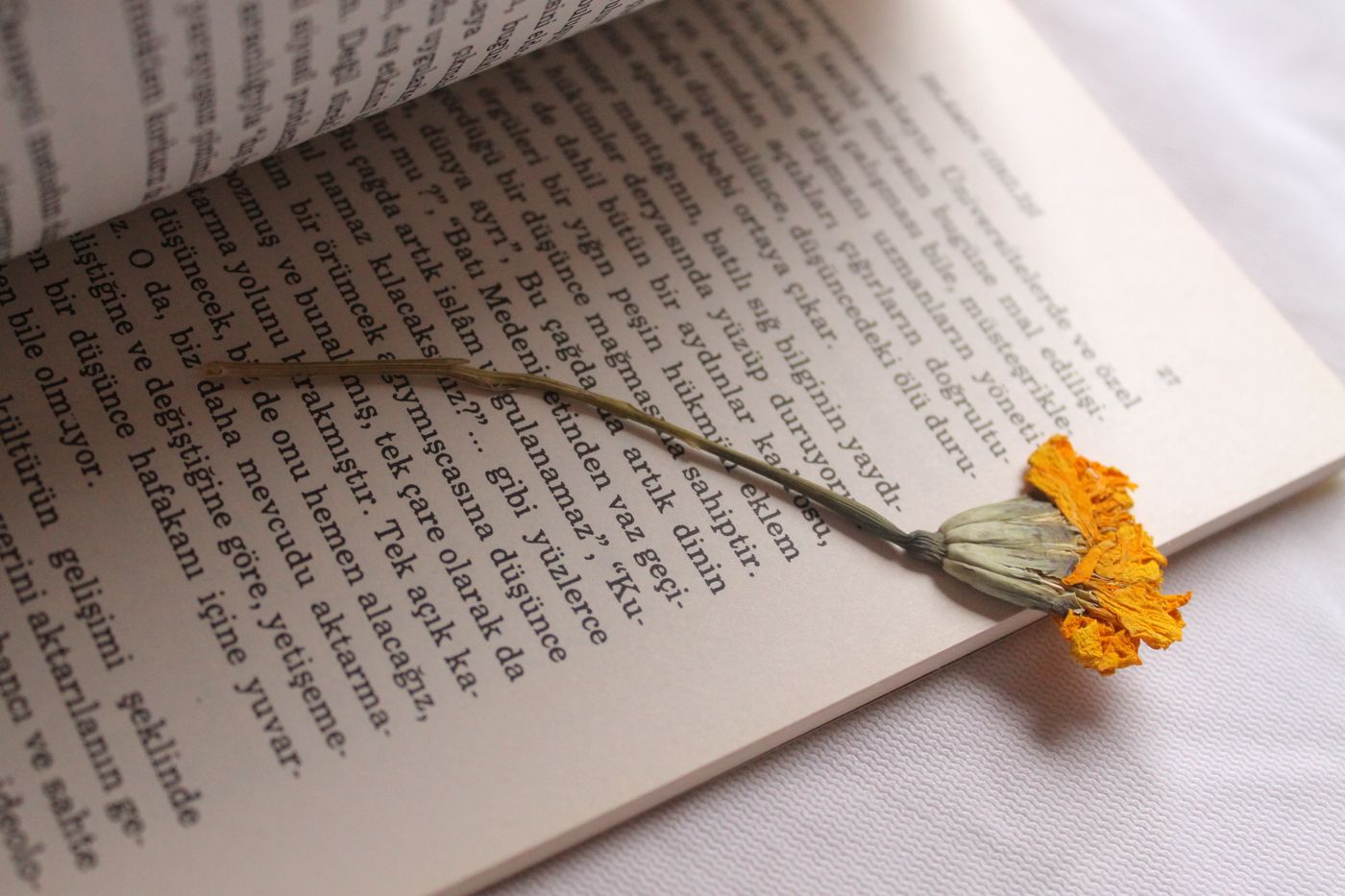
Prepare the plants, test the arrangement and protect the book's pages.

Fit the paper around the card and test the flaps before gluing.

Use stable stones and readable names with a small selection of materials.
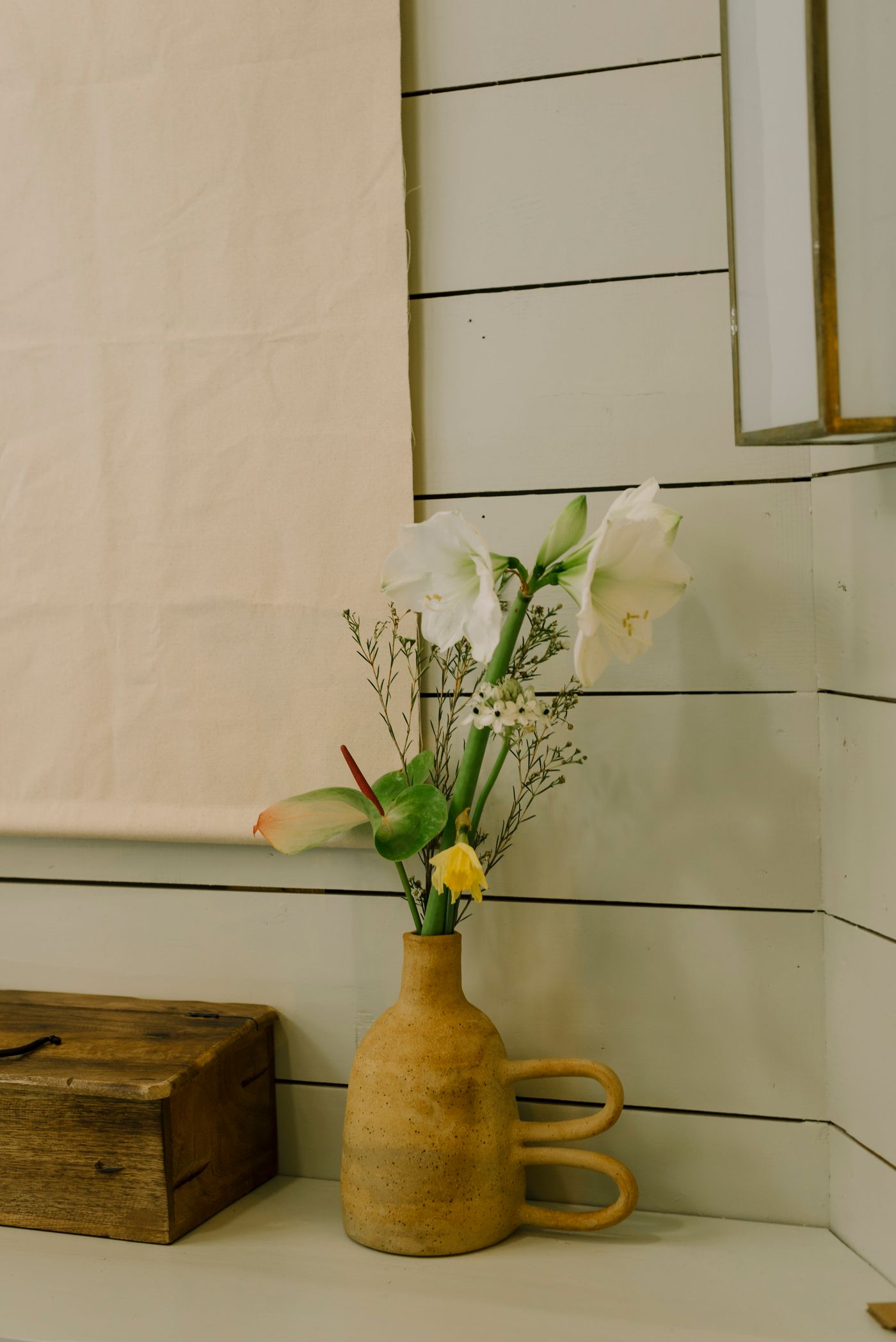
Choose stems for the vase you have and keep the arrangement easy to move.
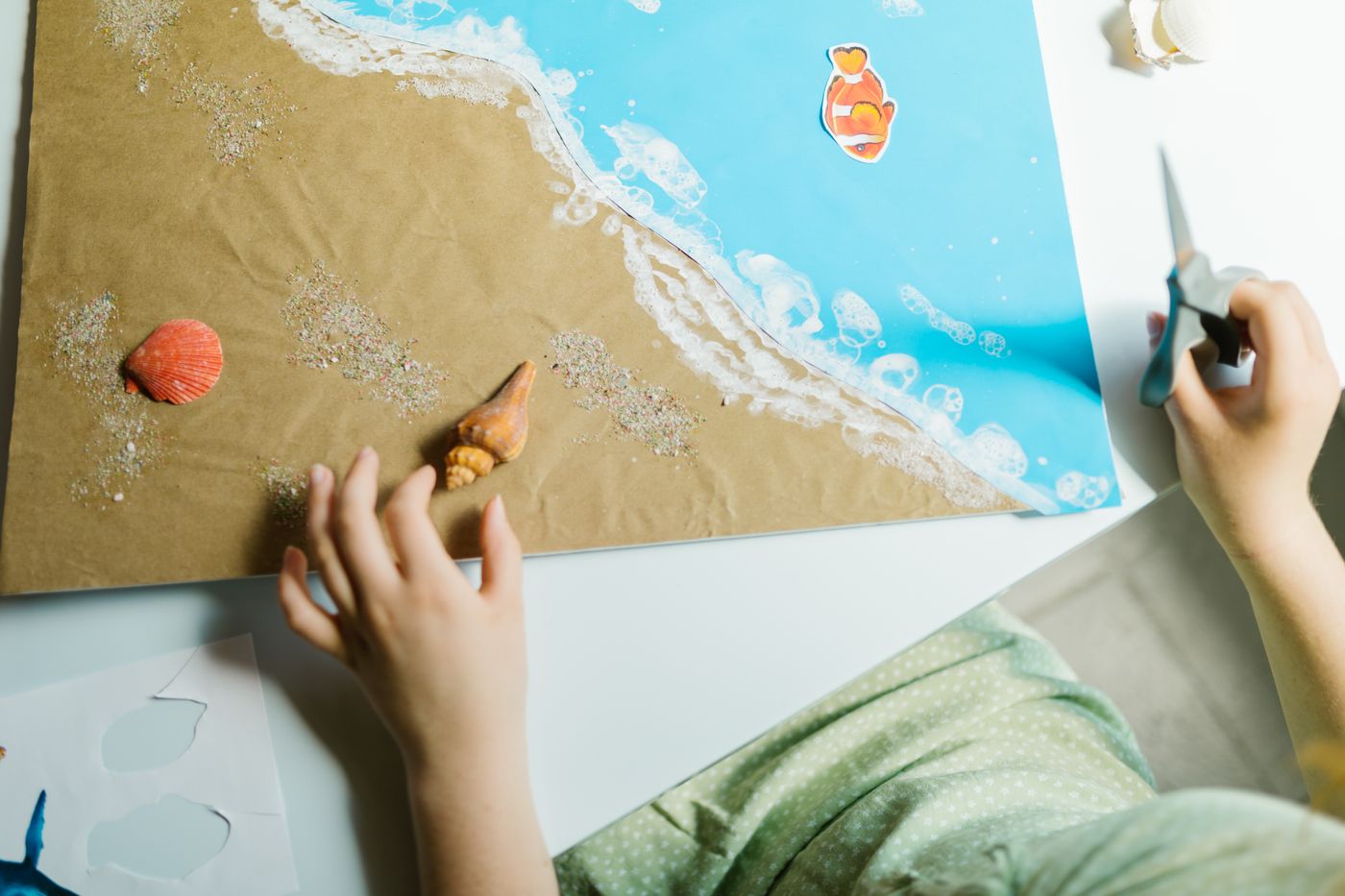
Turn a few paper scraps into an image with a clear point of attention.
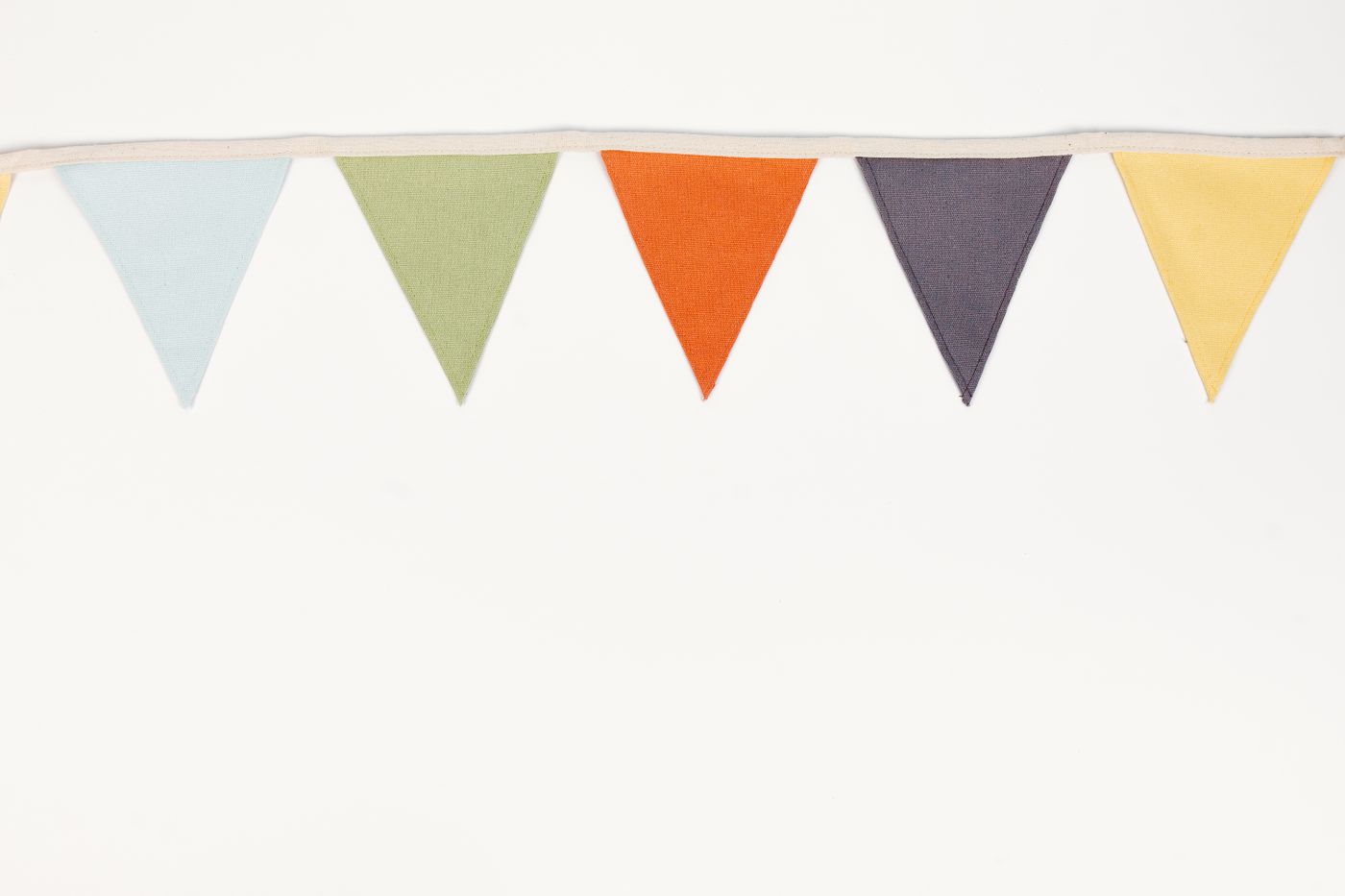
Choose a manageable length and repeat one simple action without complicated sewing.
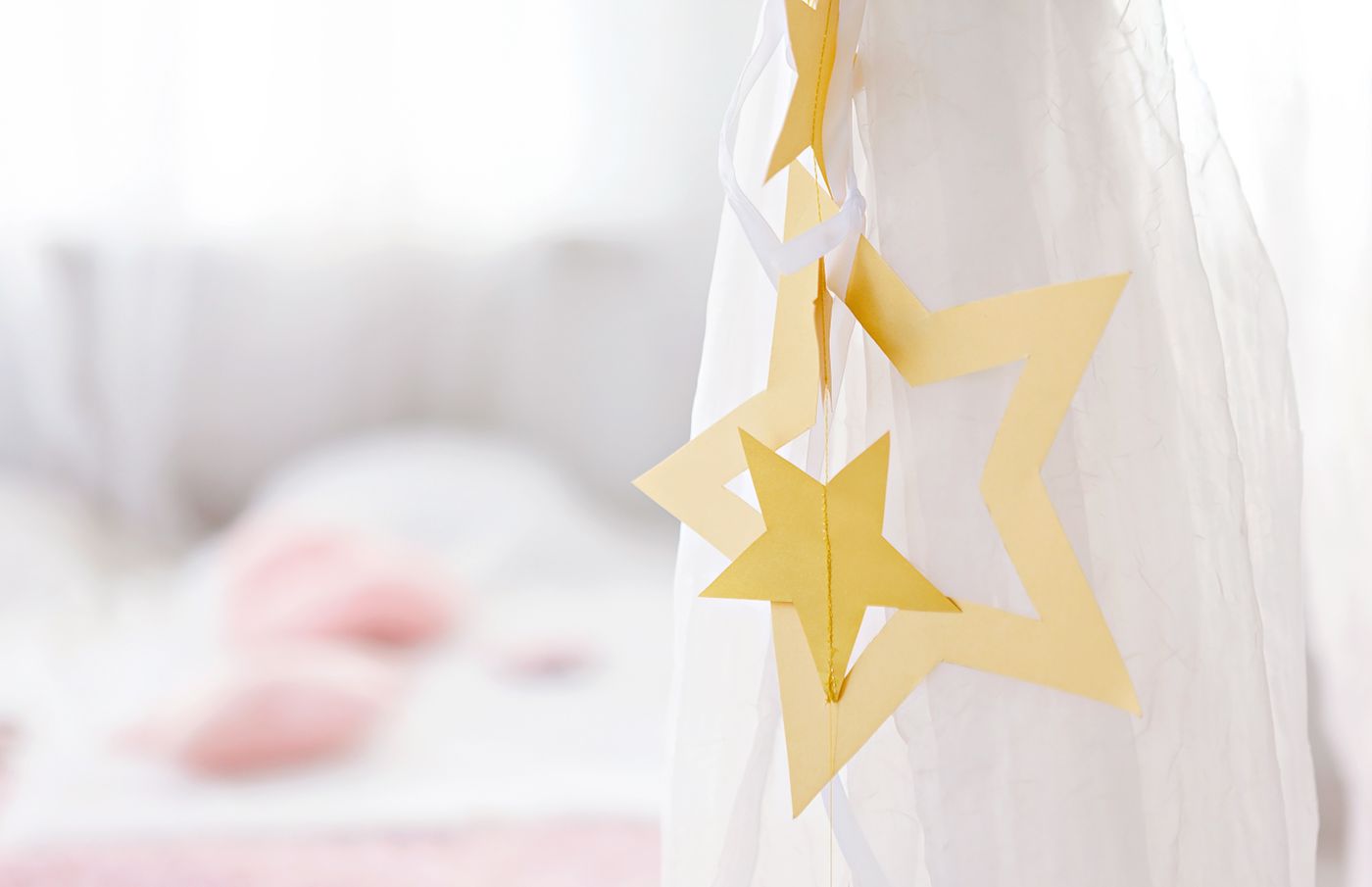
One reusable template and two sizes are enough to build an arrangement.
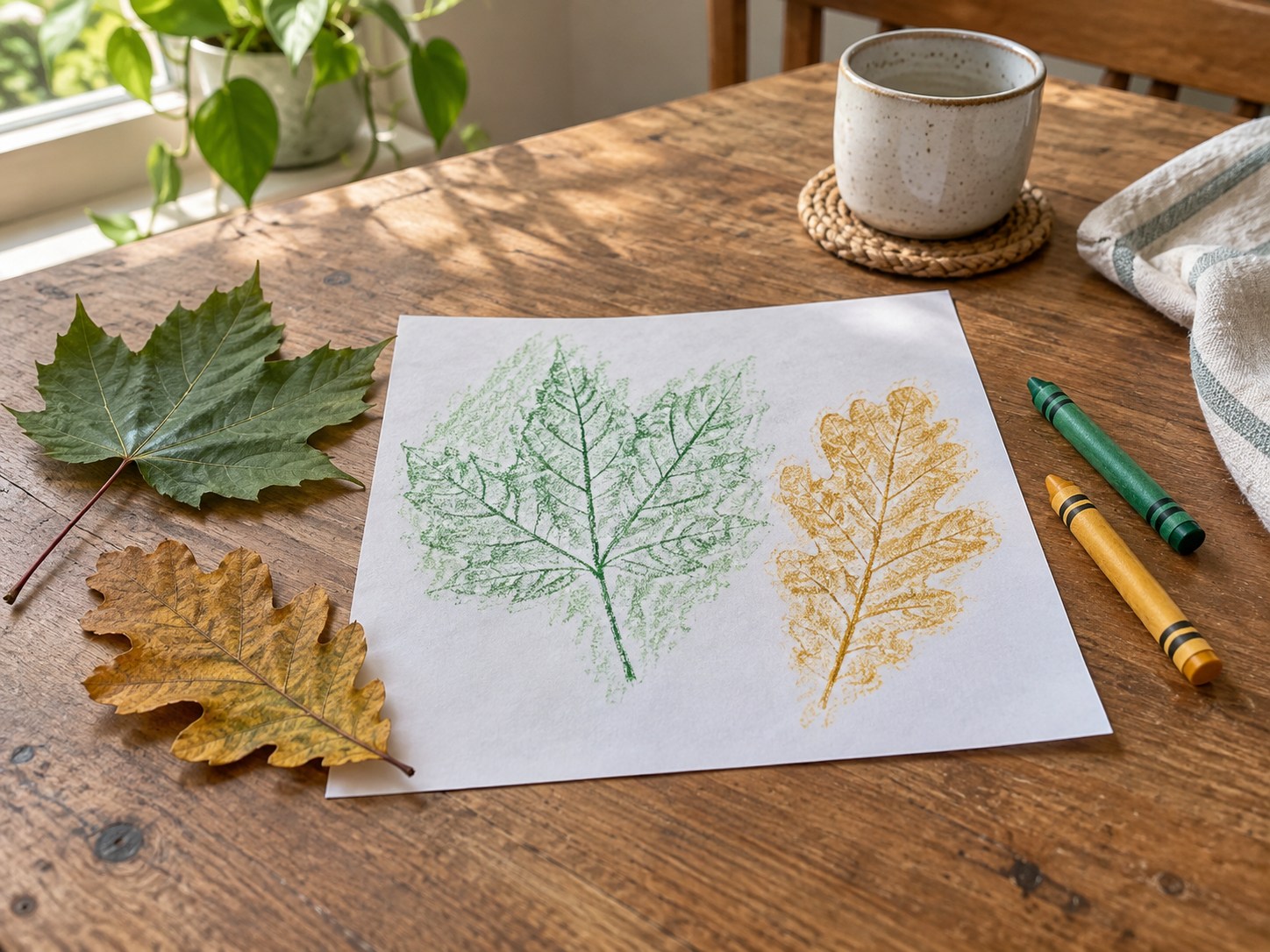
Explore texture with paper, a wax crayon and a few leaves you may collect.
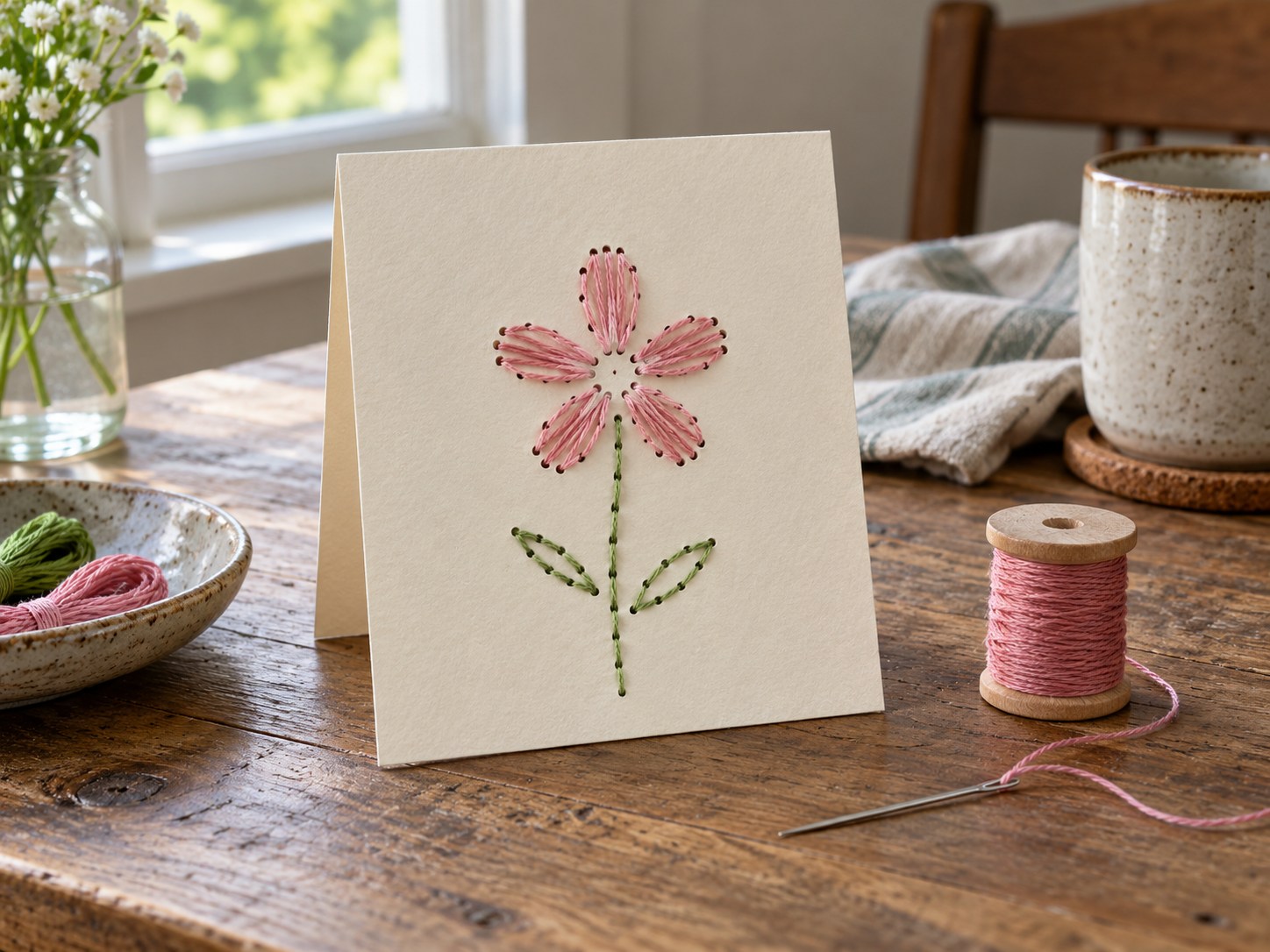
Prepare the holes before threading so the card does not tear.
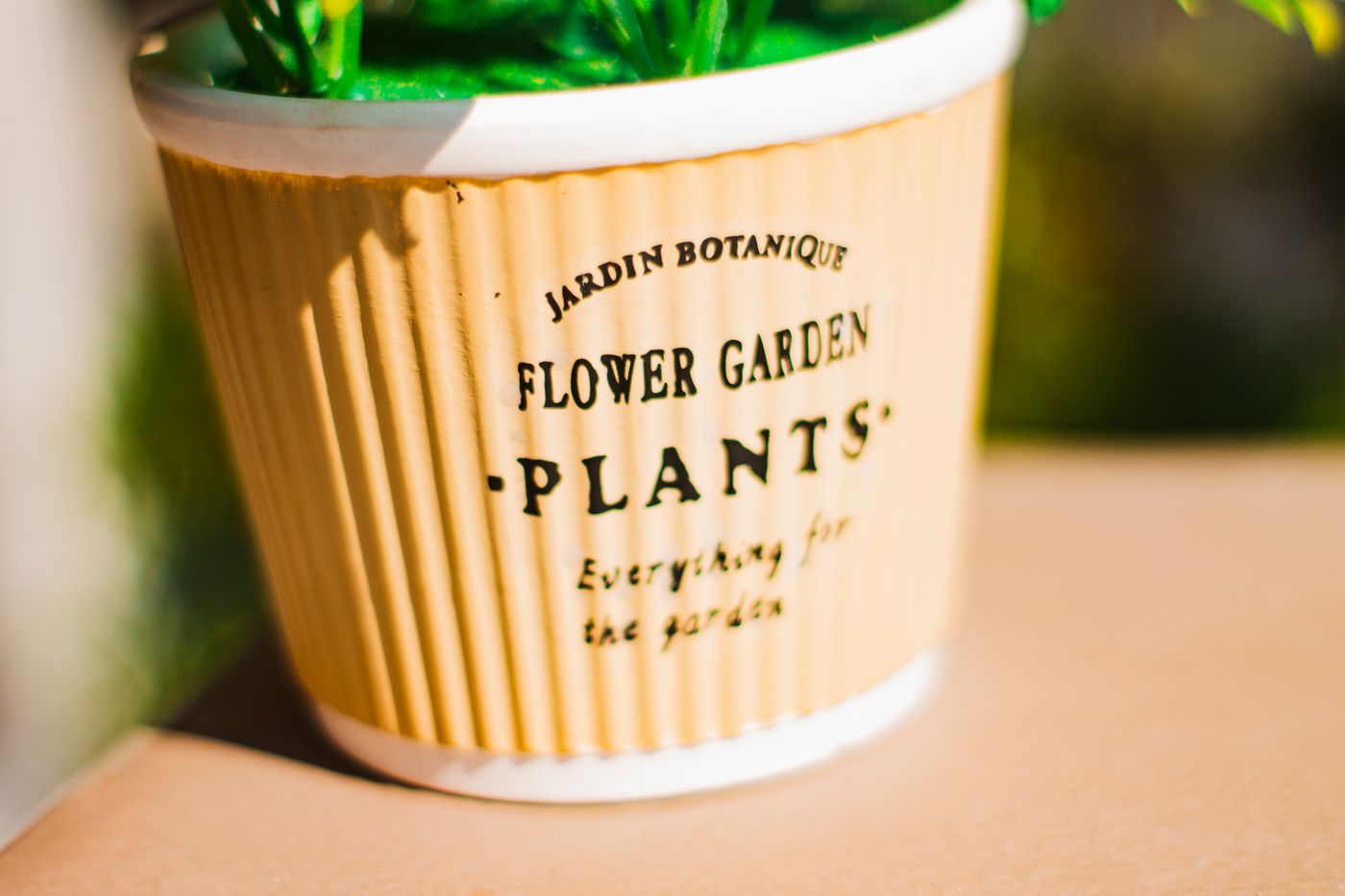
Choose compatible materials and let the growing pot handle drainage.
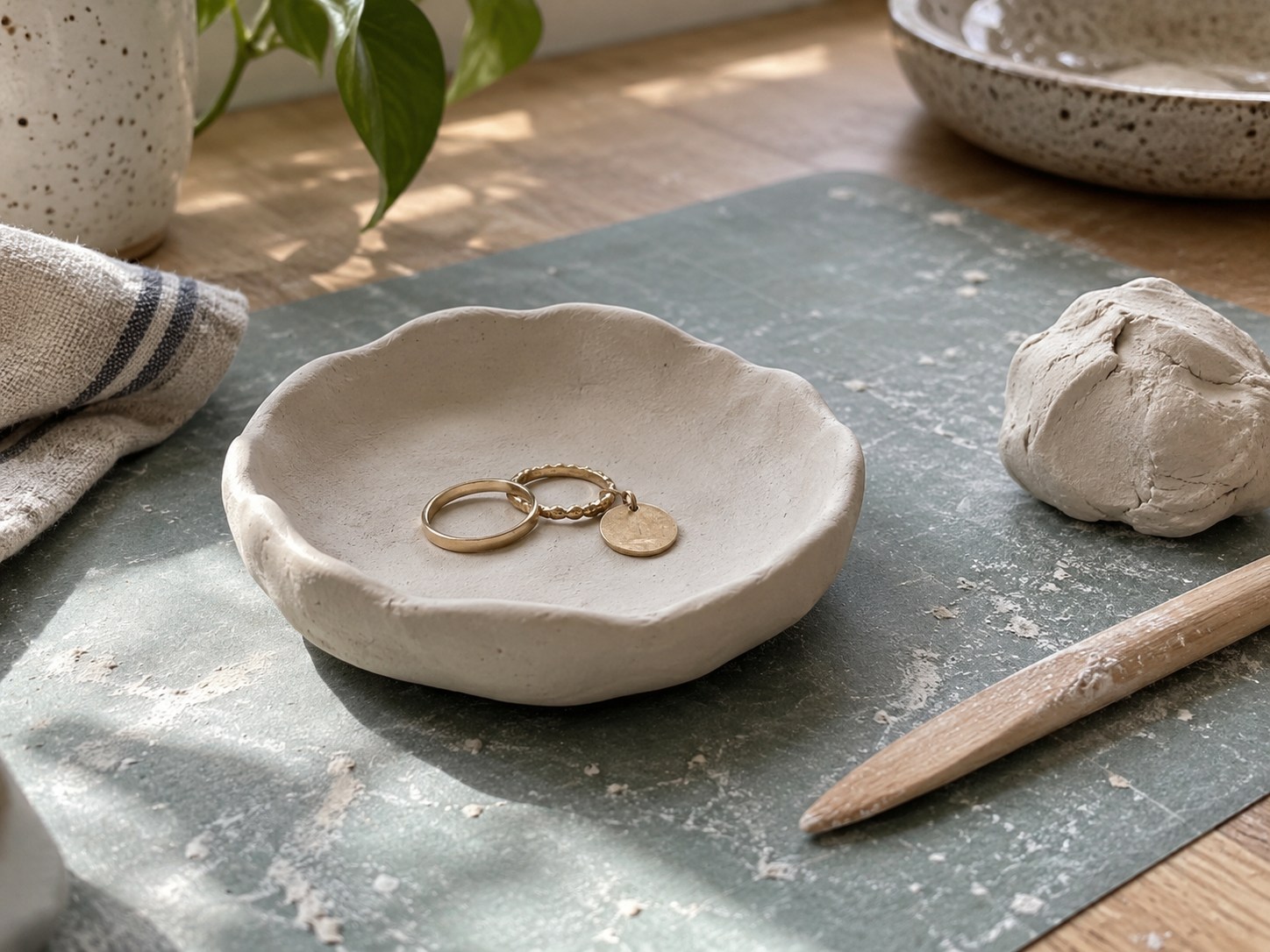
Make a small decorative catch-all without firing or assuming it is waterproof.
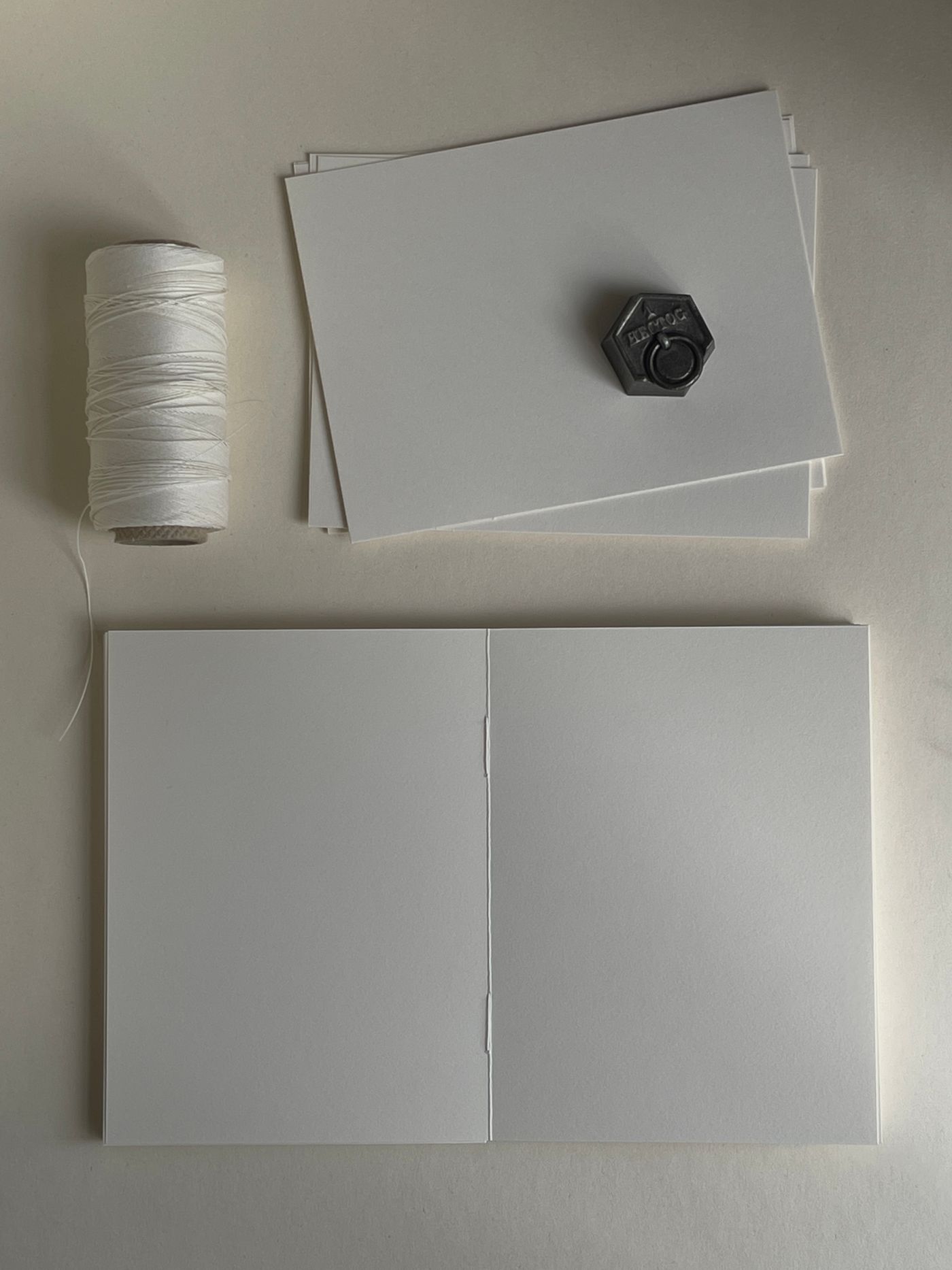
Use fewer pages for a clean fold and an easy opening.
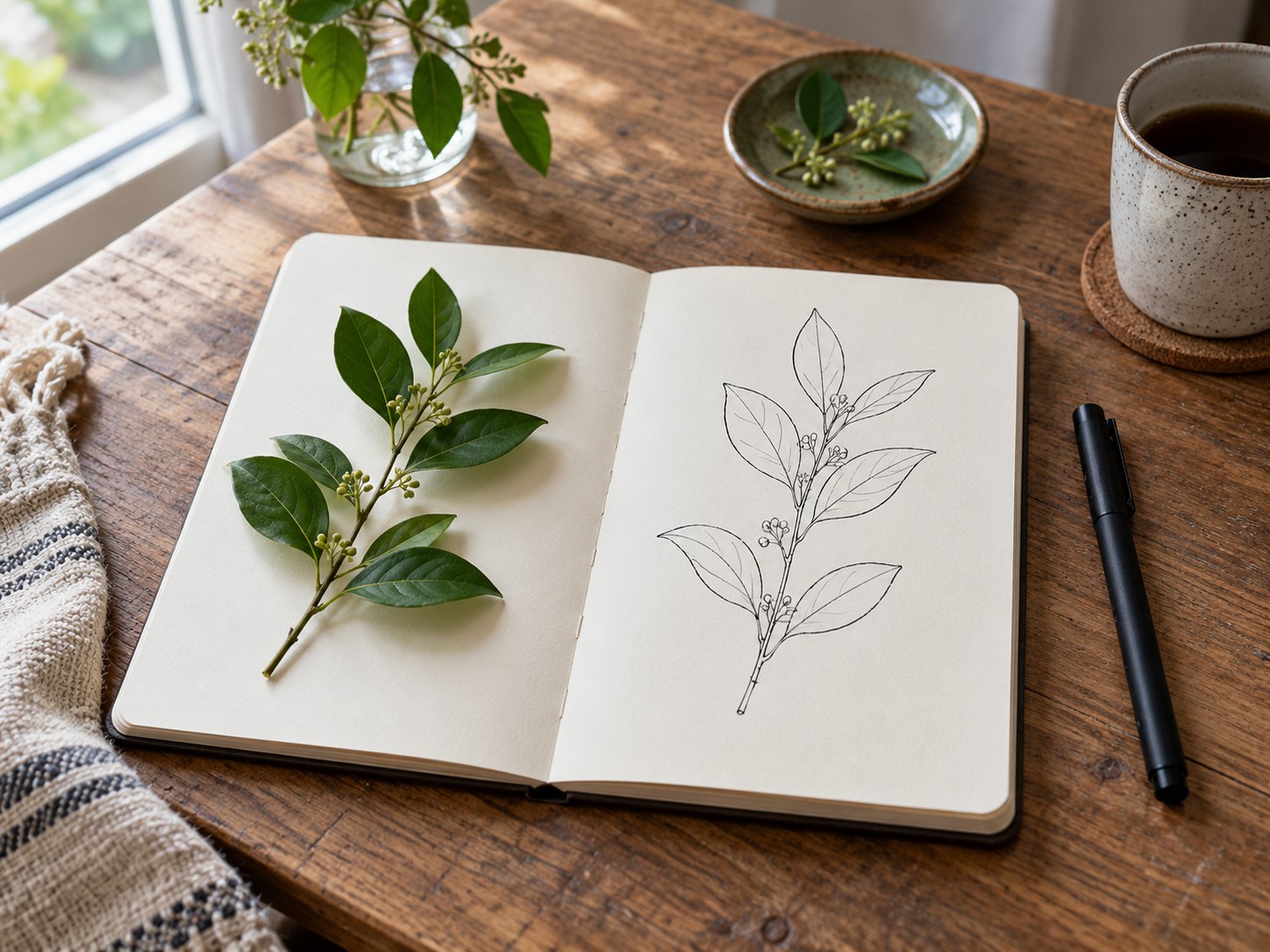
Observe attachments and spaces before chasing every detail.
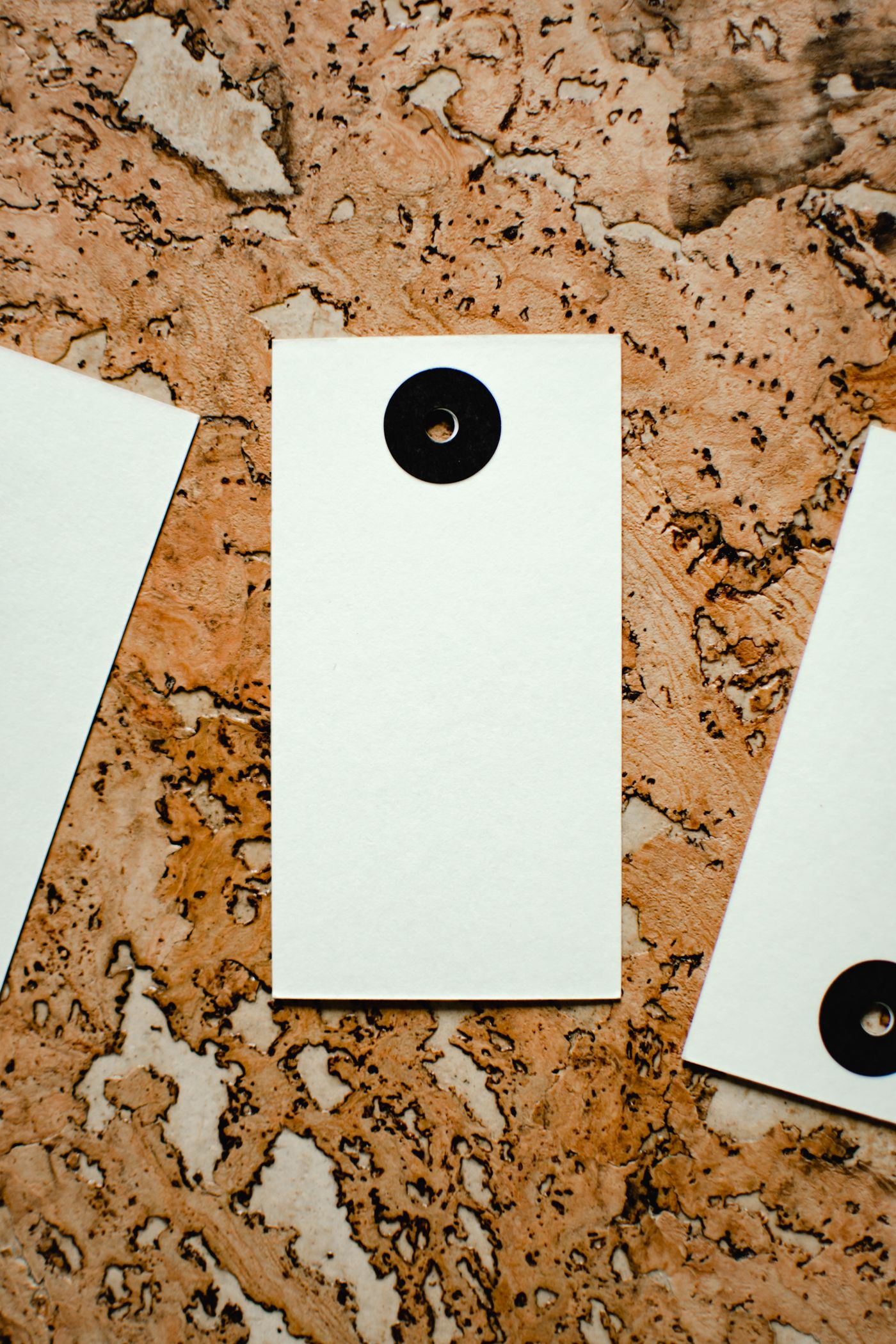
Leave real space for the name instead of covering everything with decoration.
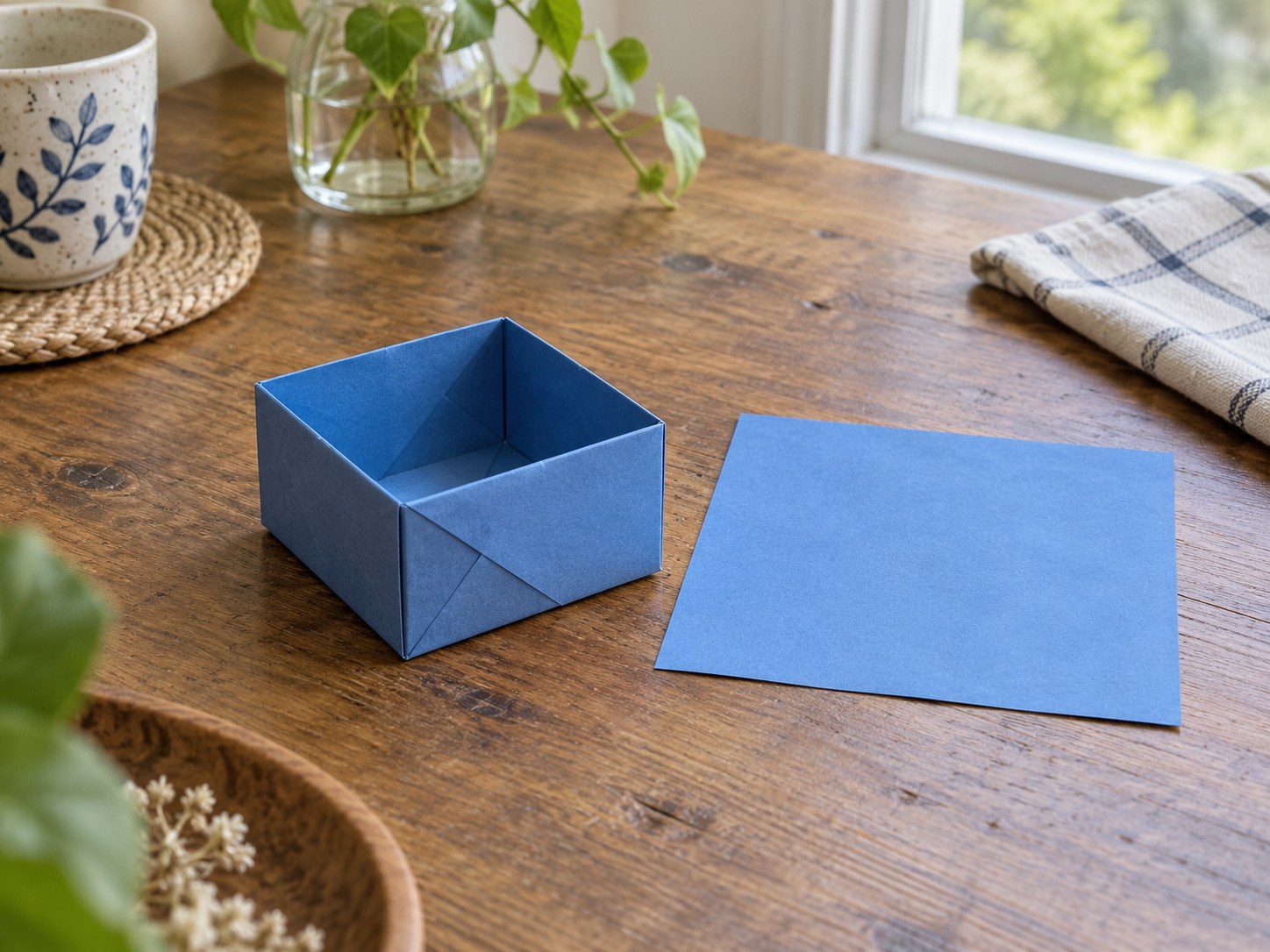
Understand an open box before adding a lid.
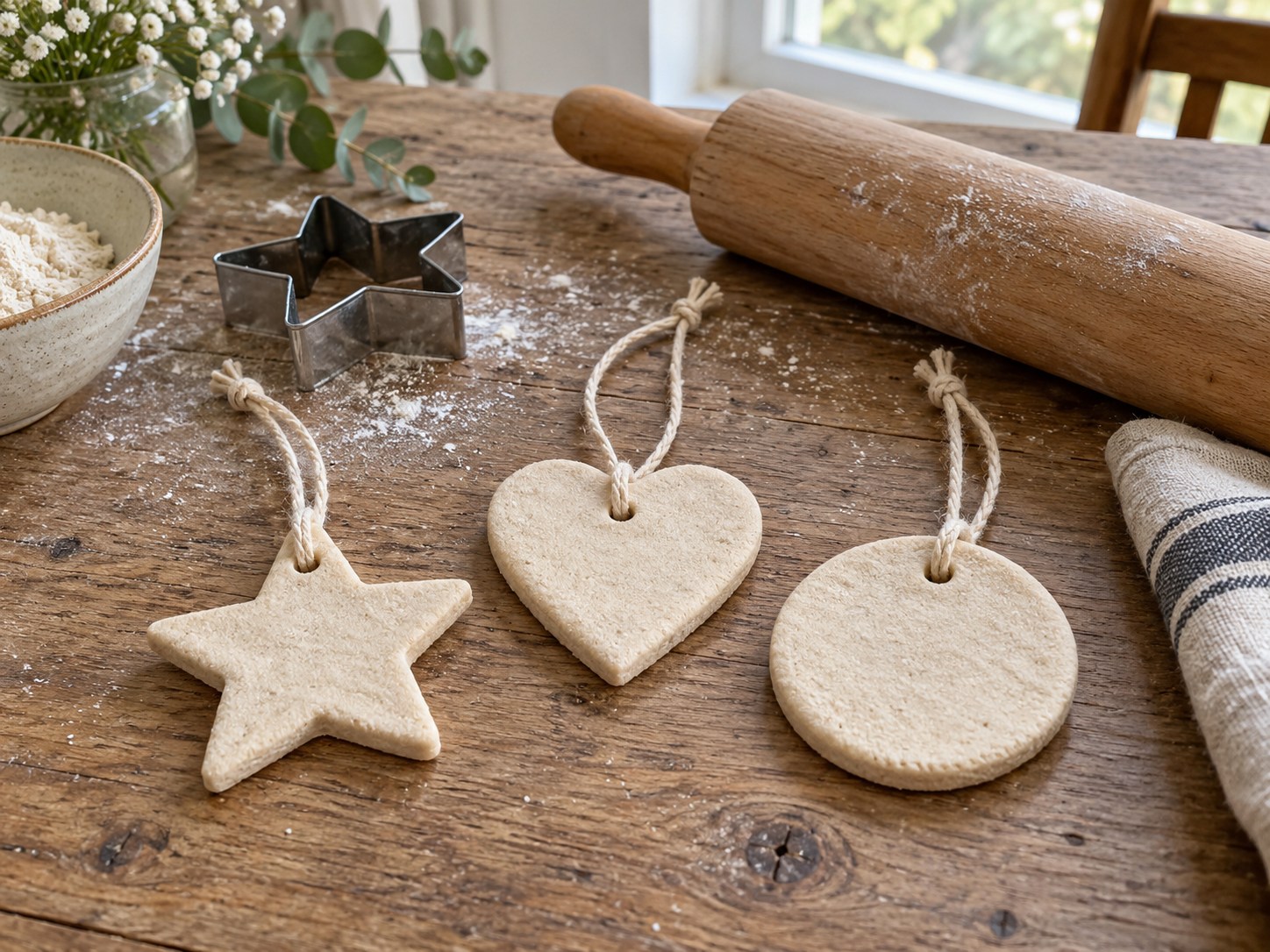
Prepare small even shapes and keep the dough away from food and animals.
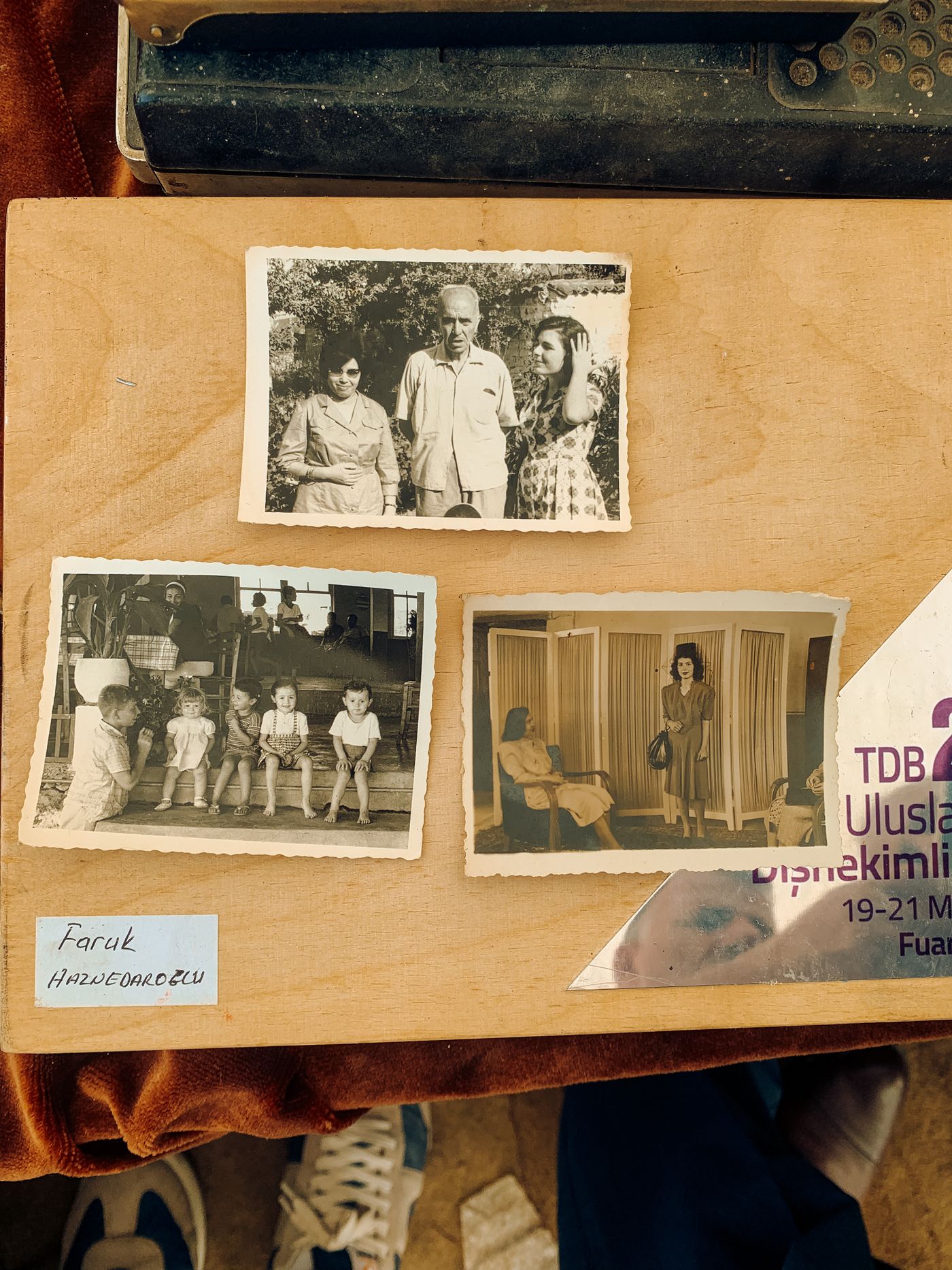
Choose a connection and a fixing method that respects the prints.
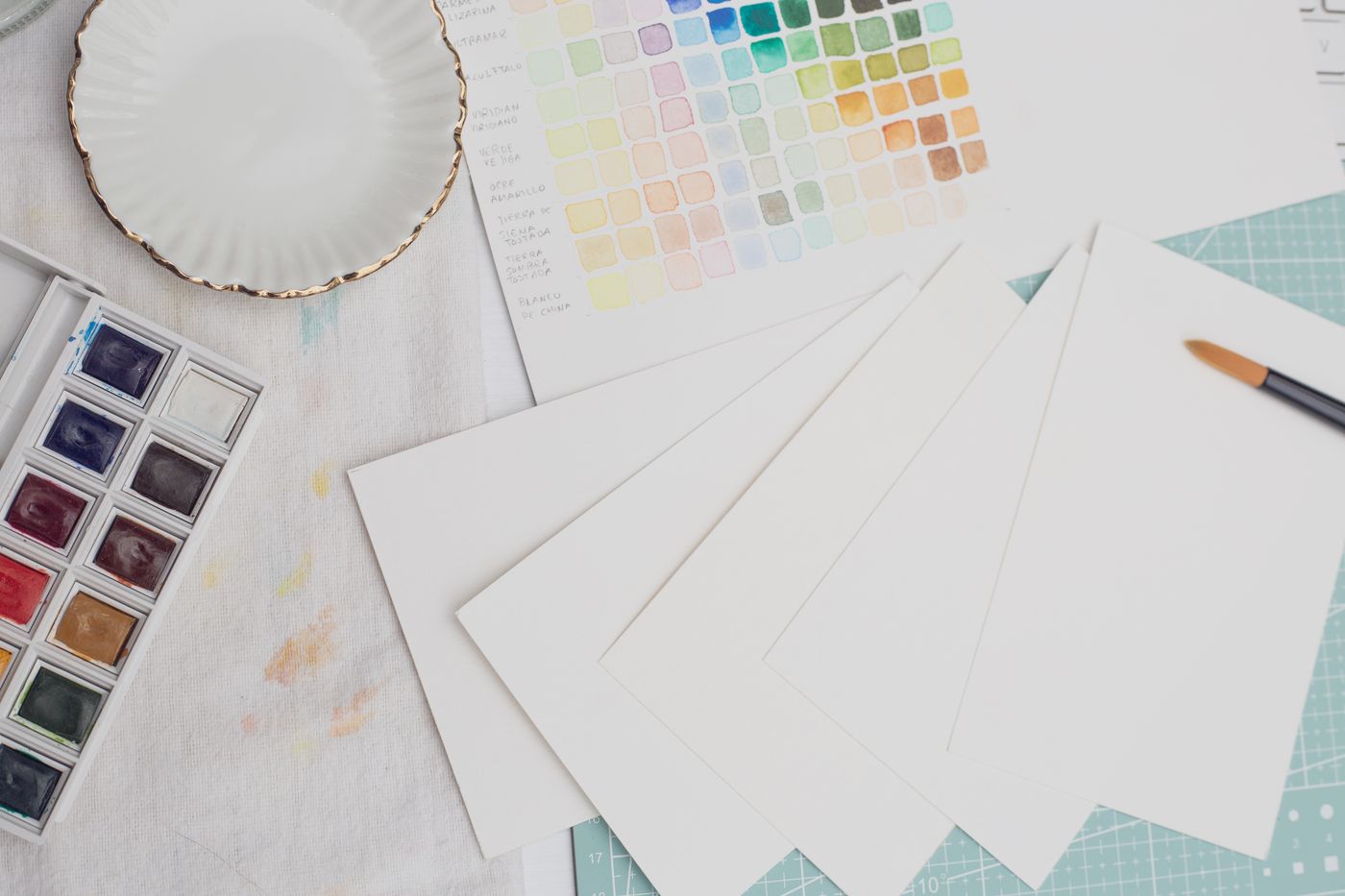
Let water shape part of the image, then decide where the words belong.

Use a few stems and protect the most brittle parts.
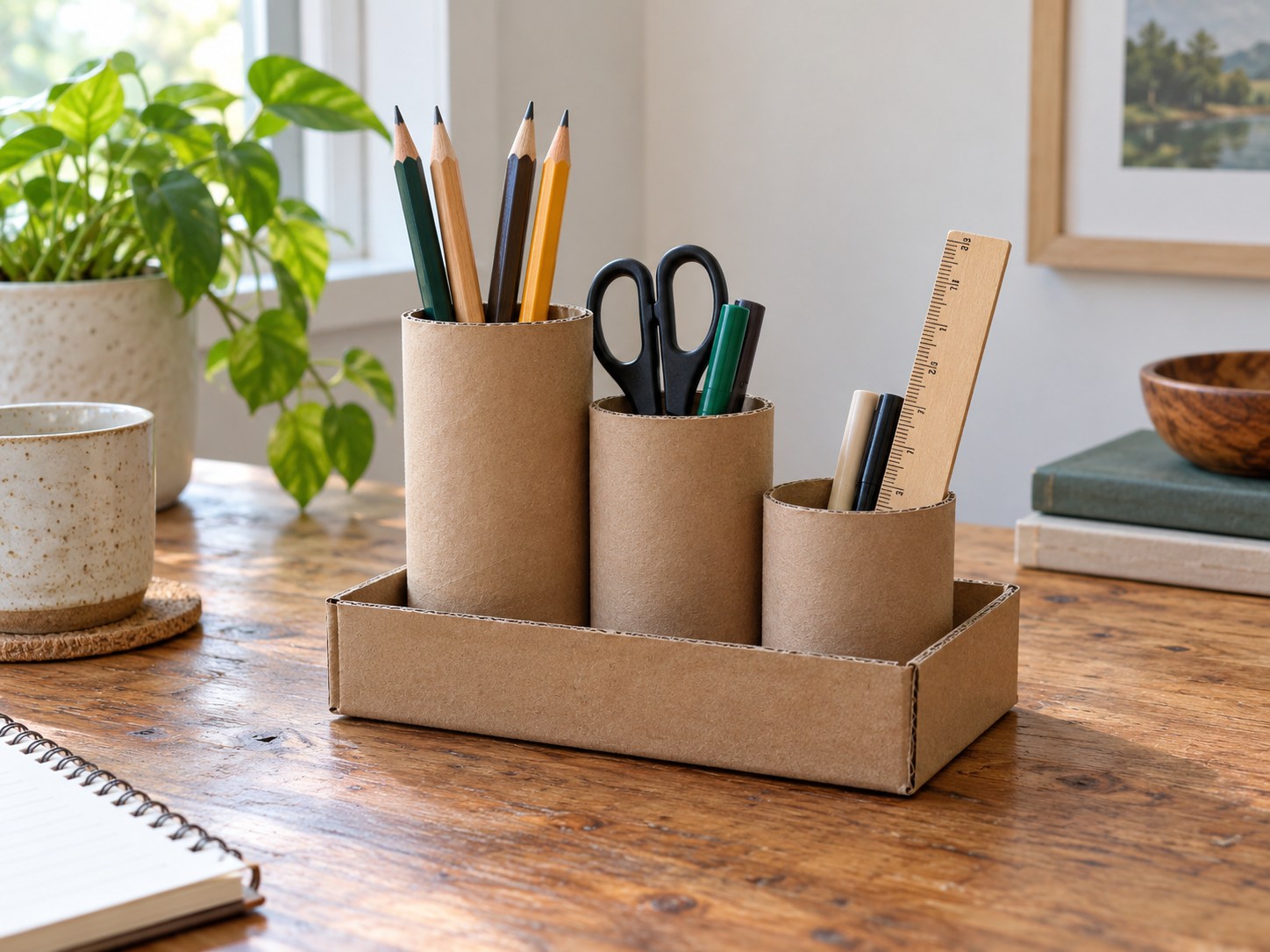
Design around the objects you need to store rather than multiplying compartments.
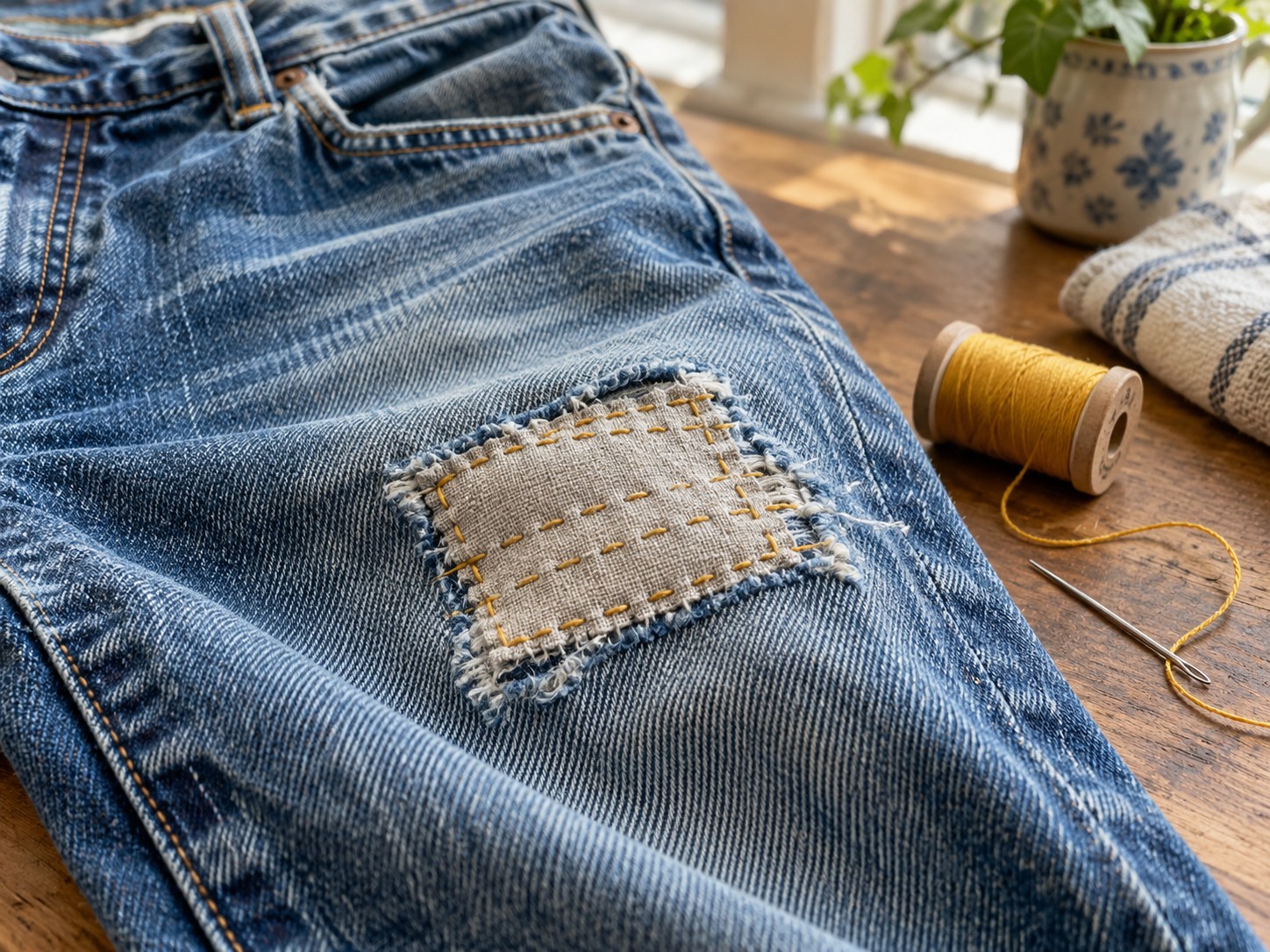
Begin with an accessible fabric and choose thread you are happy to show.

Use a small quantity as a starting point, not a target you must catch up on.

Choose a short entry and let ordinary days remain ordinary.
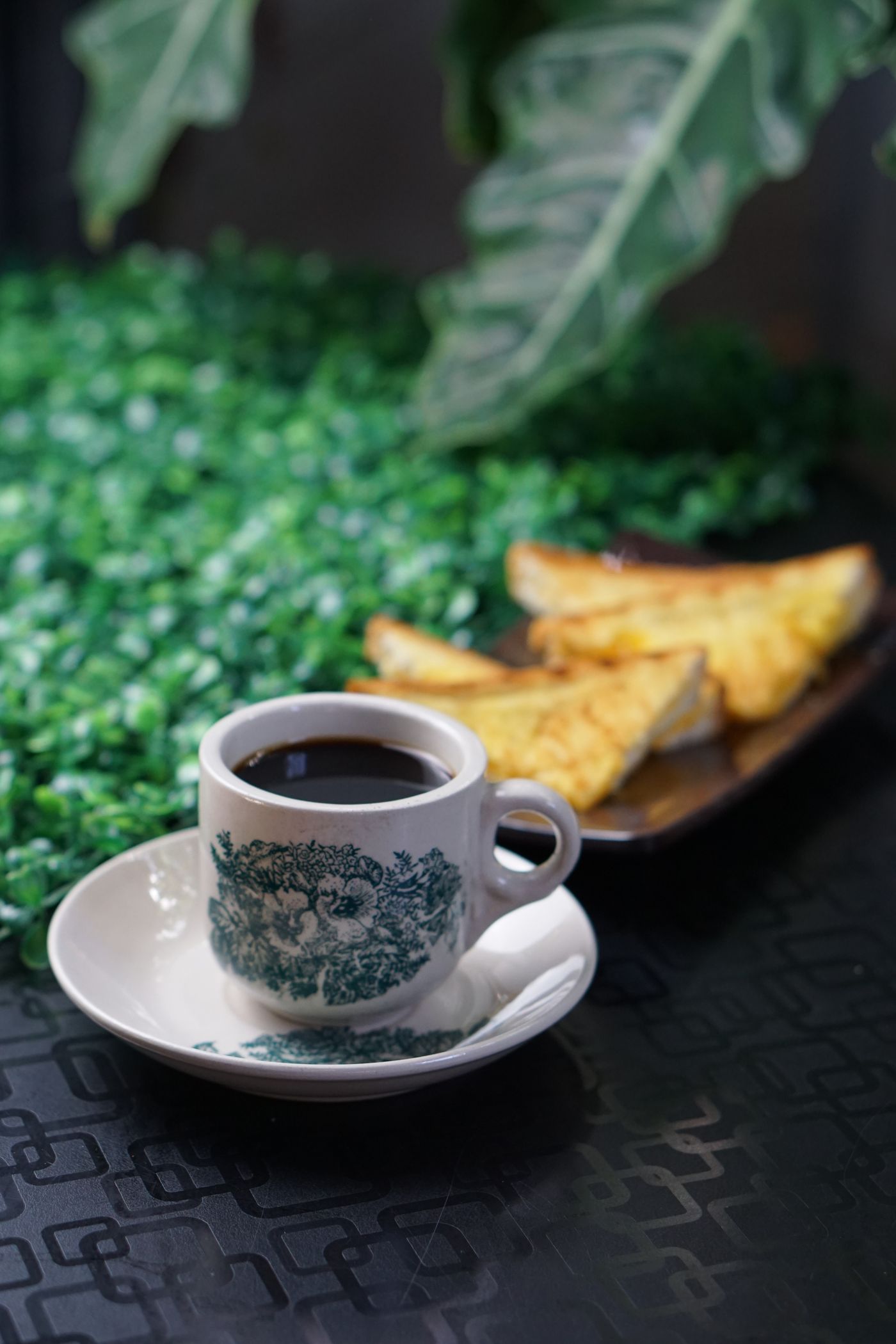
Prepare necessary information before putting the device elsewhere.
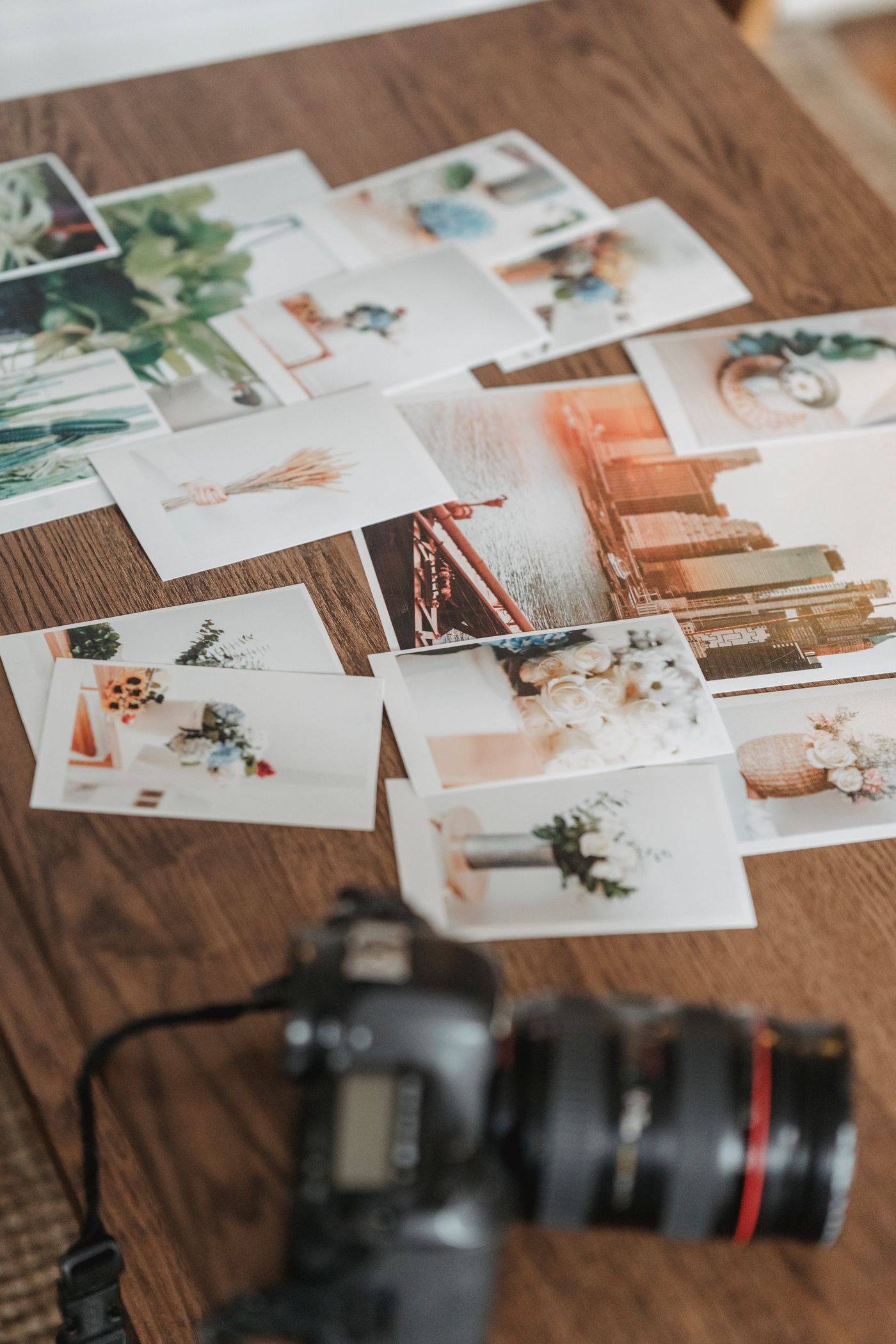
Make a small collection you can find again without sorting the whole library.

Choose a realistic quantity and give loans their own place.
Choose one surface and actions that genuinely fit a short interval.
Keep one chosen outing and allow room for things that take longer than expected.
Define an observable result and limit the equipment before starting.

Record three details without turning the outing into a mission.
Separate inspiration from things you have actually decided to do.
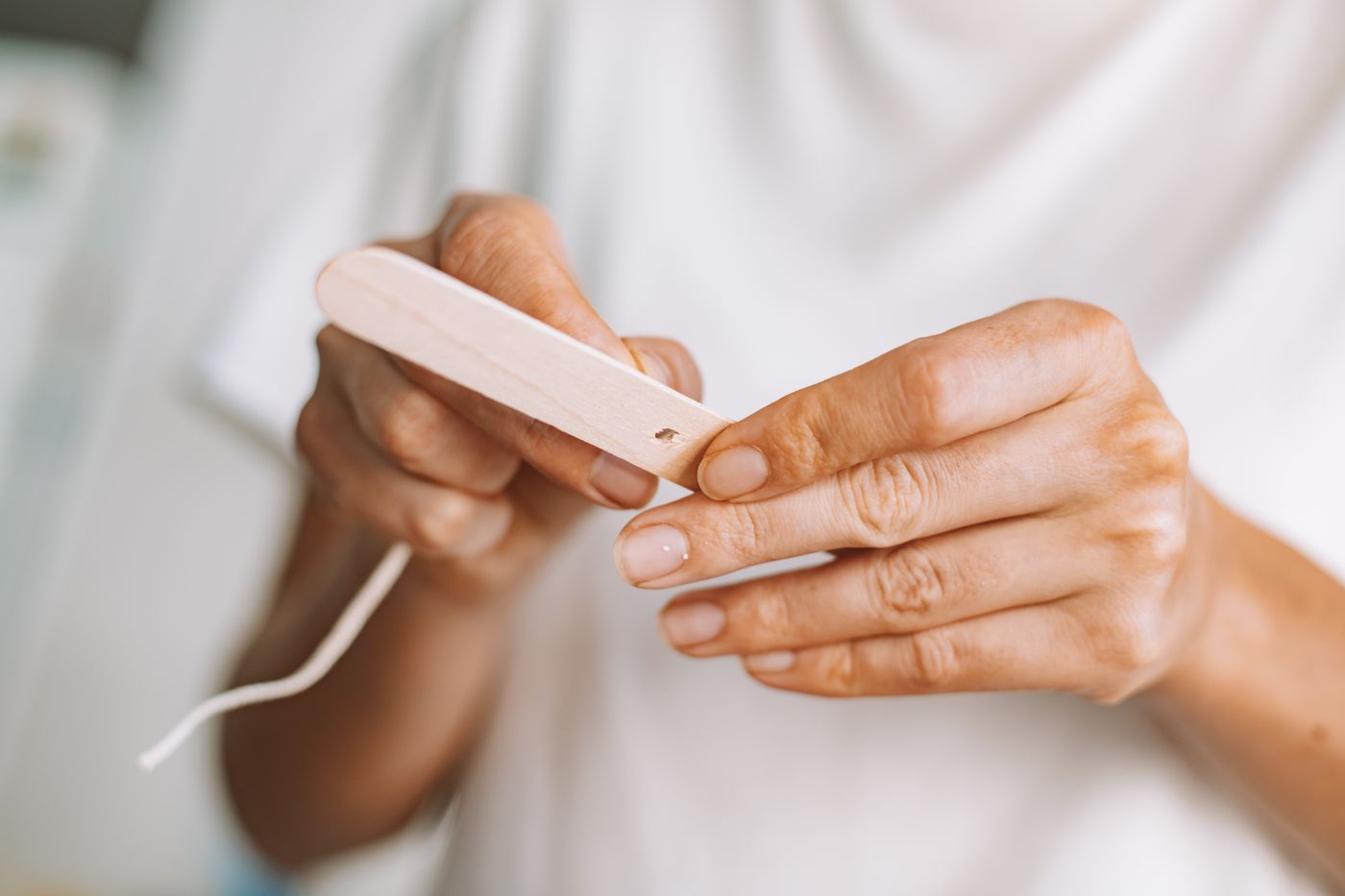
Find the next action before deciding whether the result is still worth completing.

Agree on what needs sharing before choosing the tool.
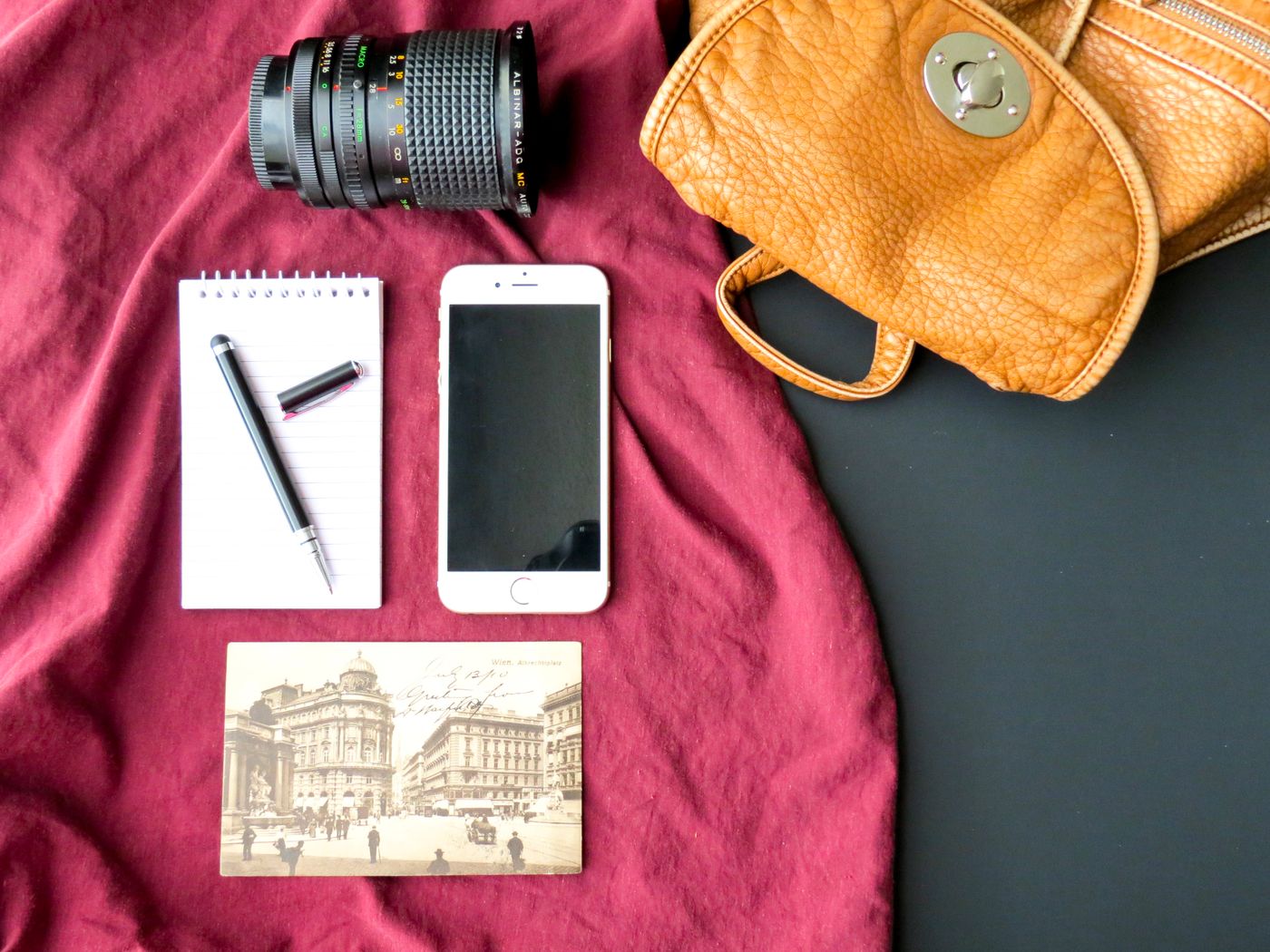
Separate permanent essentials from what depends on the day.
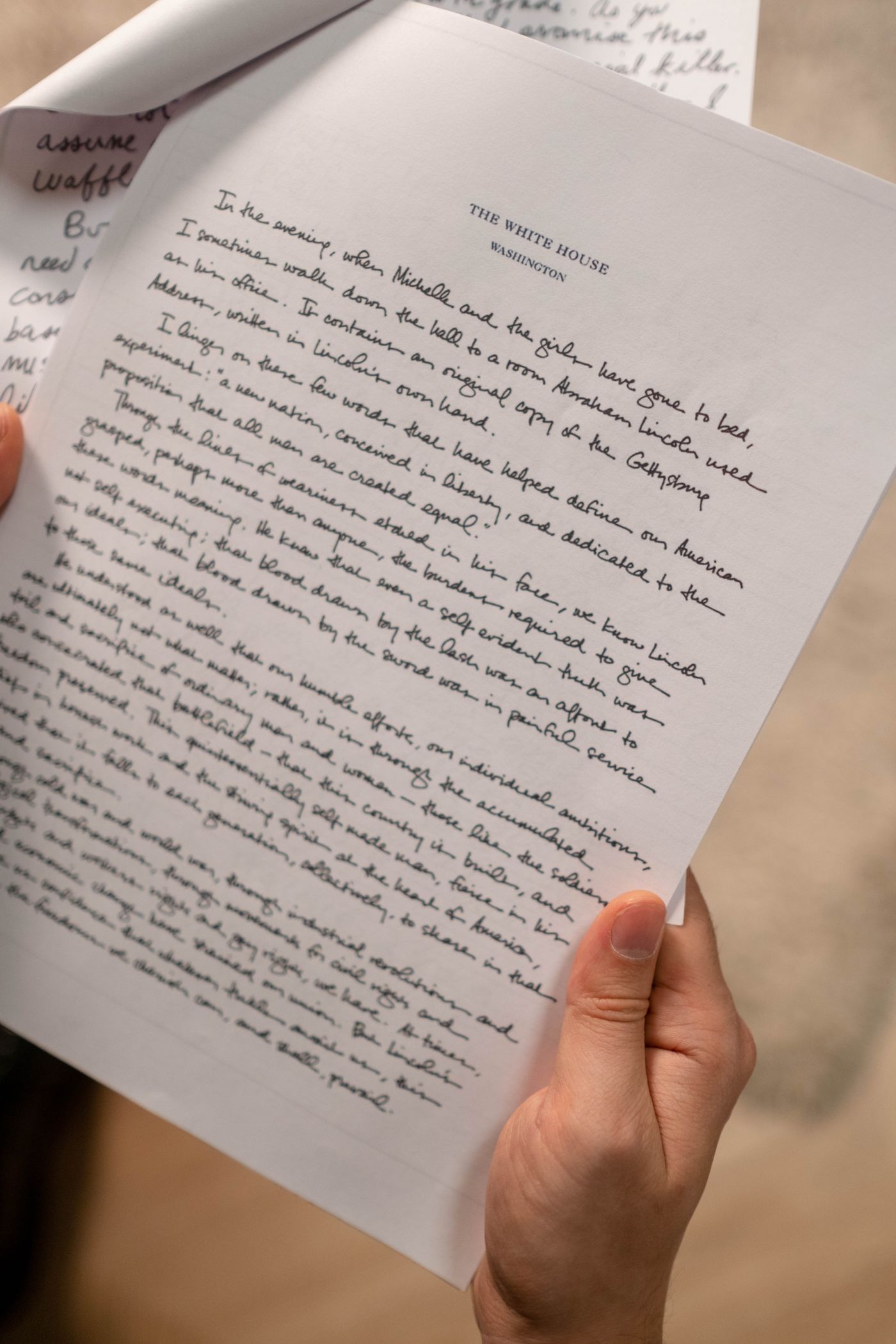
A specific memory and one question can be enough to begin.
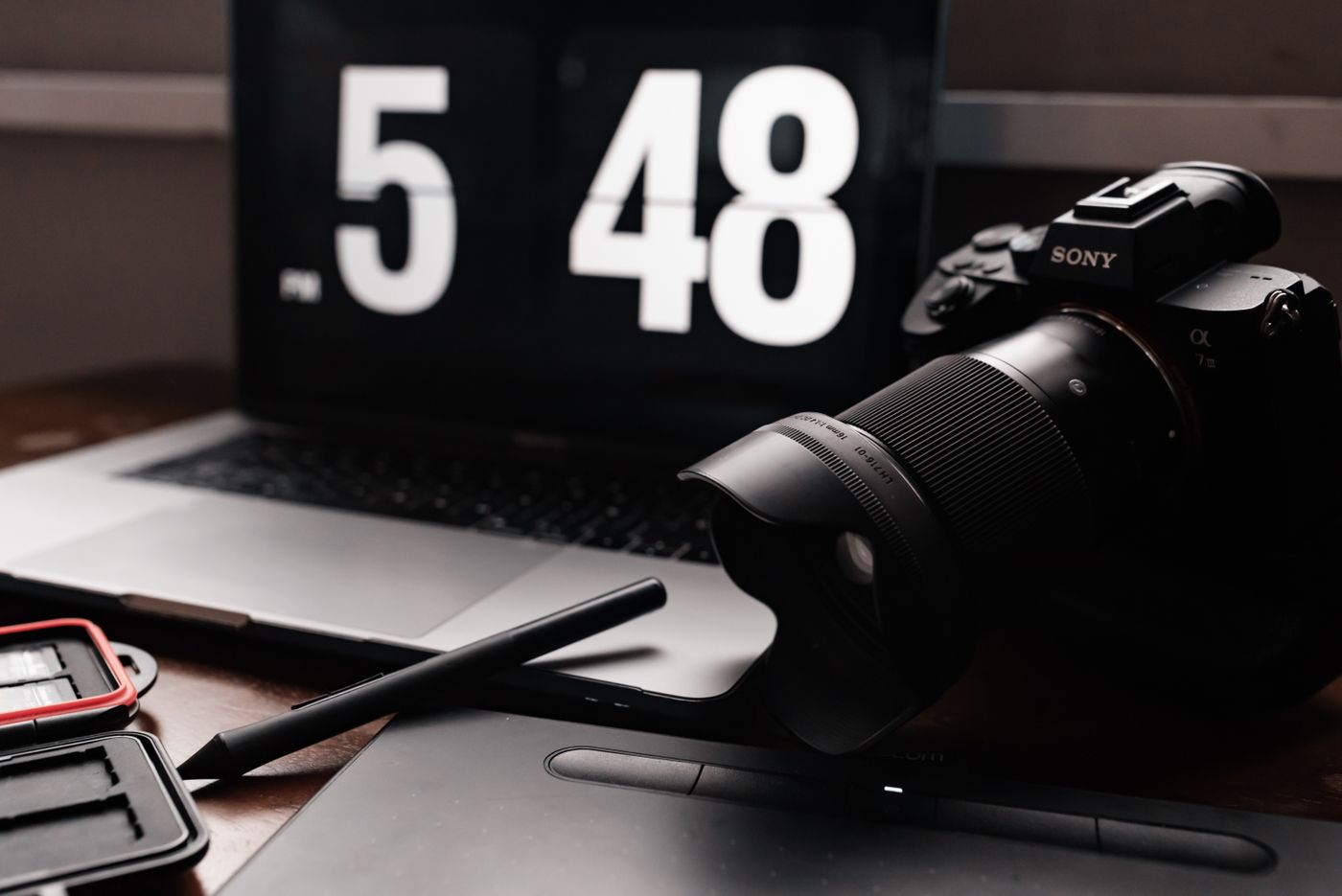
Begin with a small working copy and distinguish sorting, synchronisation and backup.
Return to a window, tree or short route to notice ordinary changes.
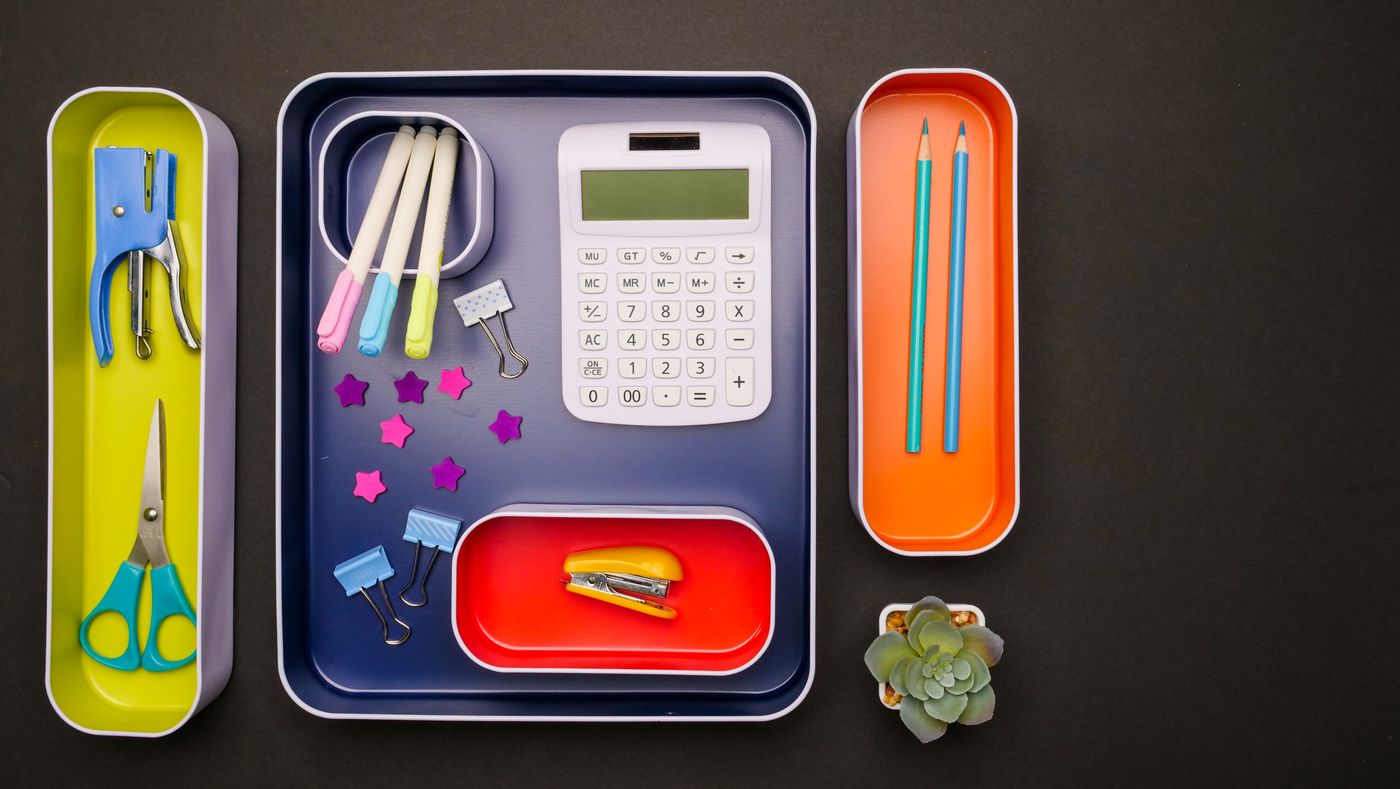
Inventory one activity and distinguish useful reserves from forgotten materials.
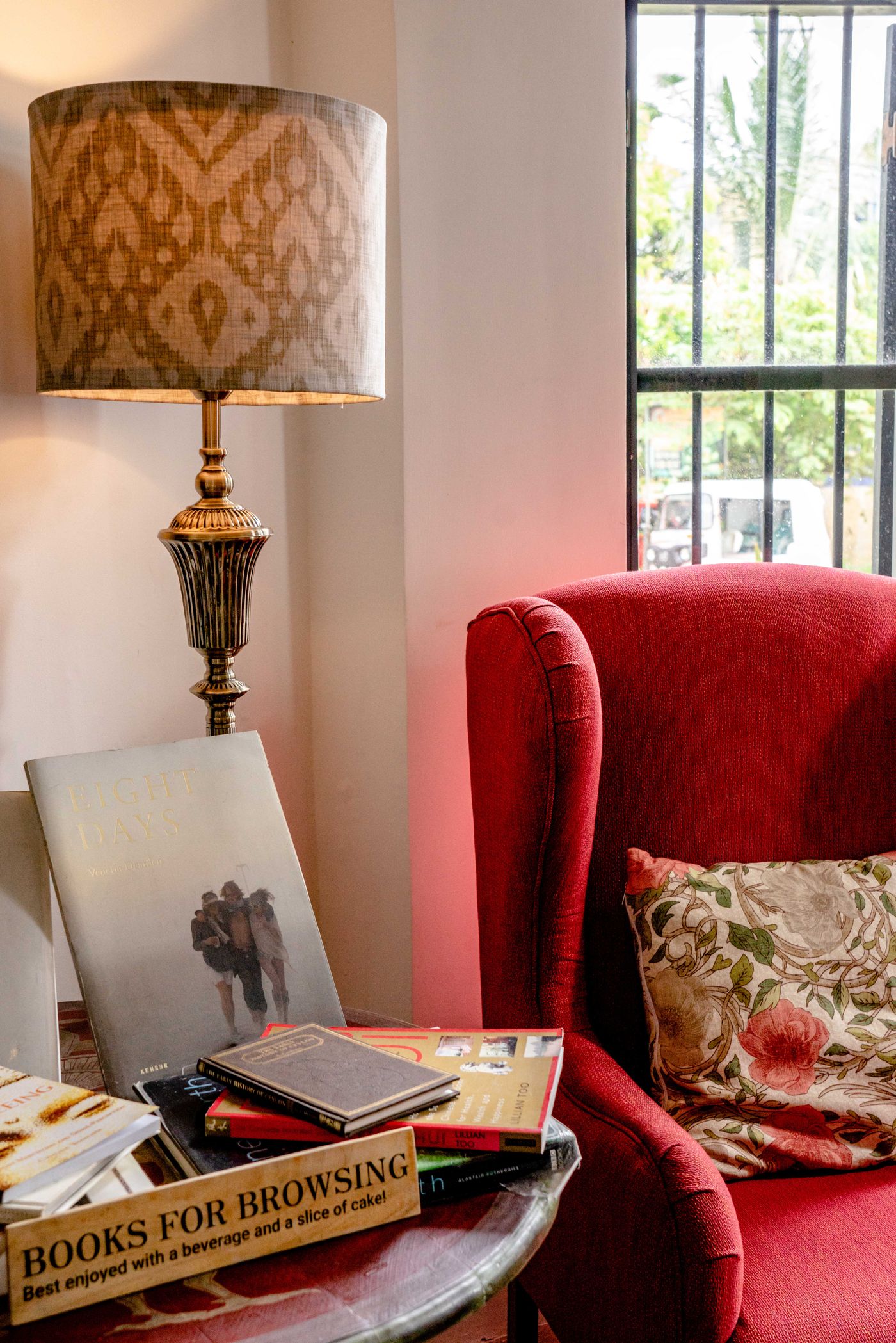
Find a comfortable place without blocking the room or buying another armchair.

Use a few colours, two water jars and paper swatches to get to know your mixes.
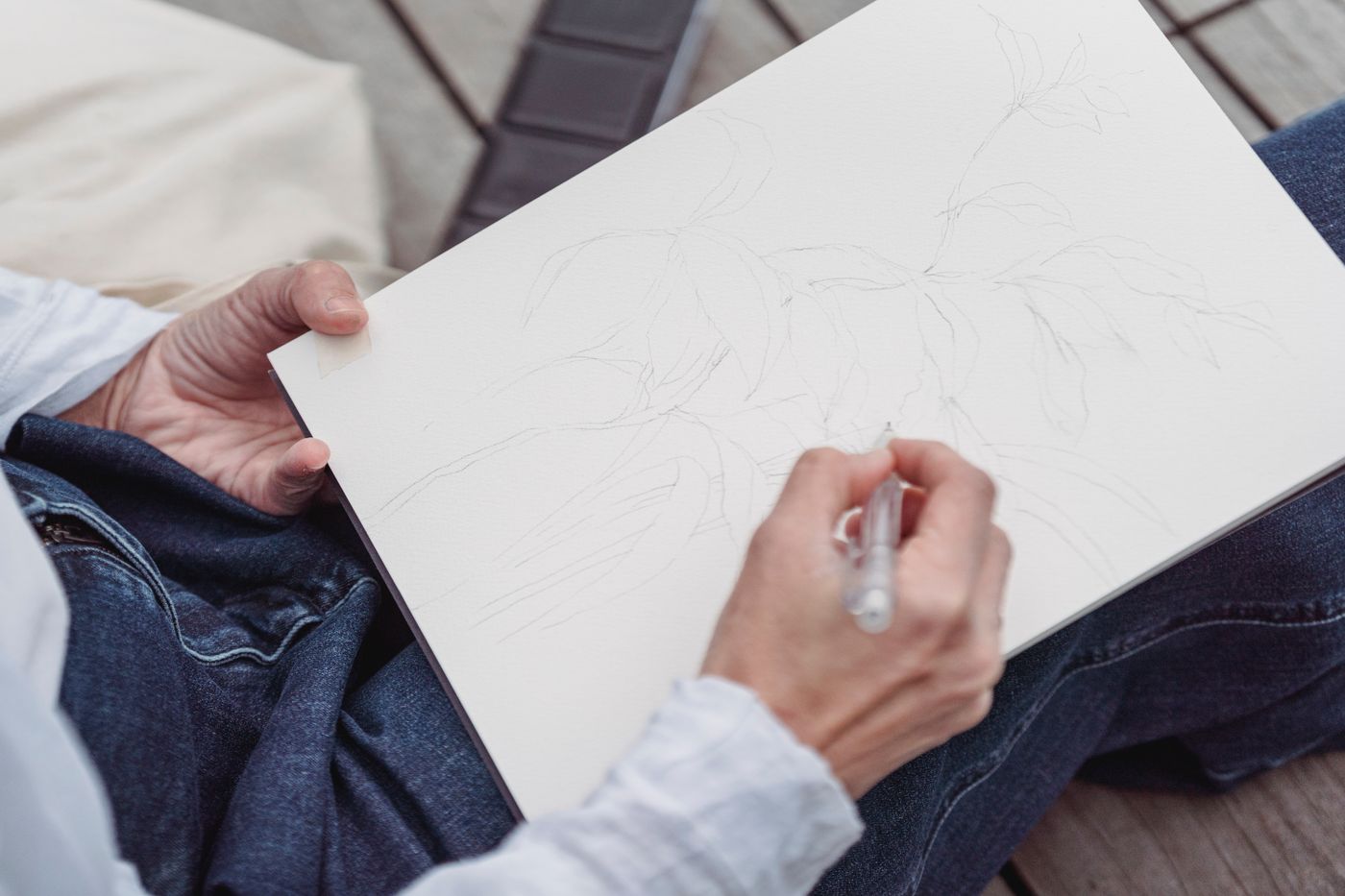
Use three small subjects to turn a familiar park into an observation exercise.

Make a small study of droplets, reflections and colour without taking your camera into the weather.
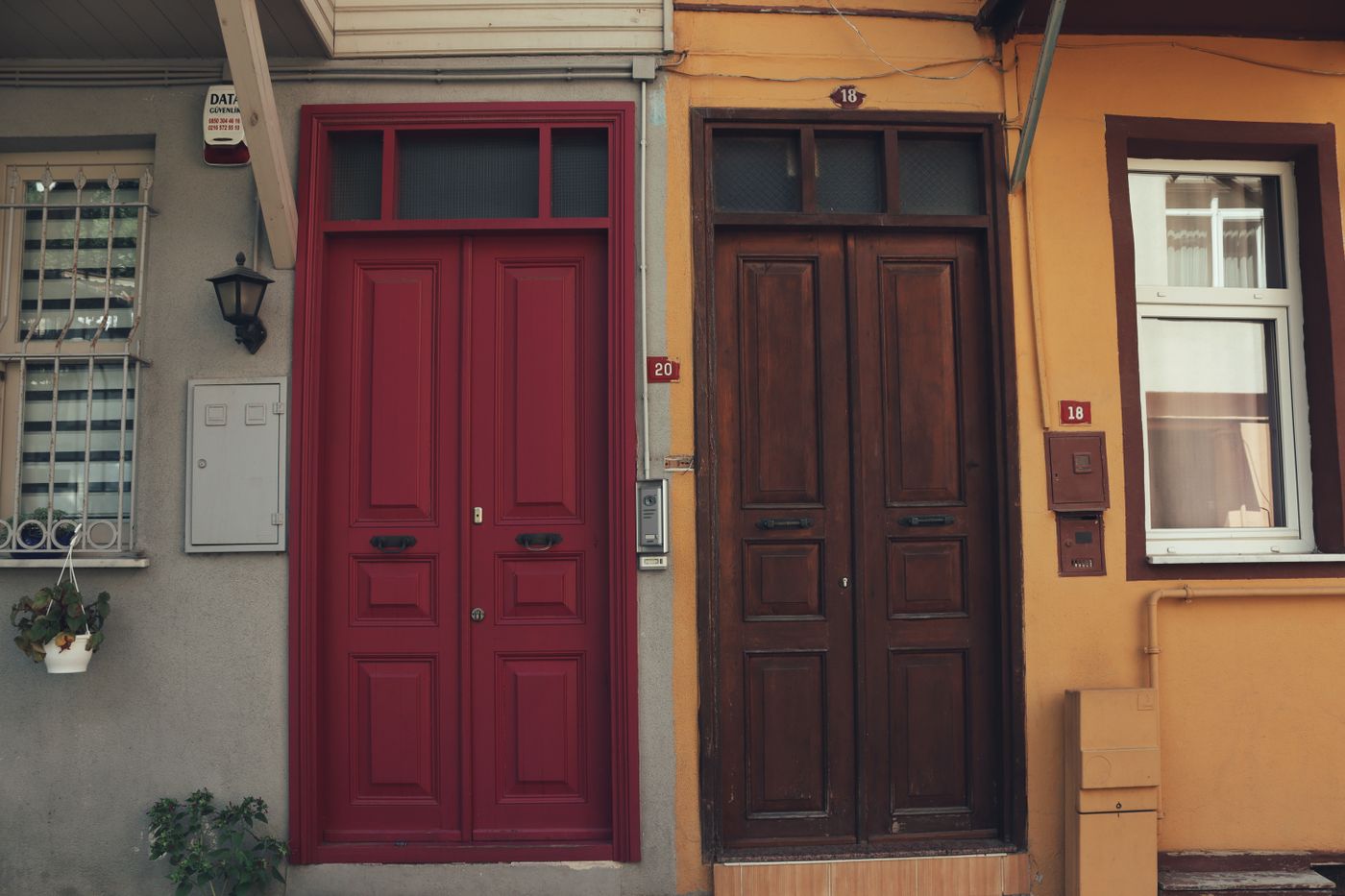
Let doors, painted surfaces and small details change how you see a familiar route.
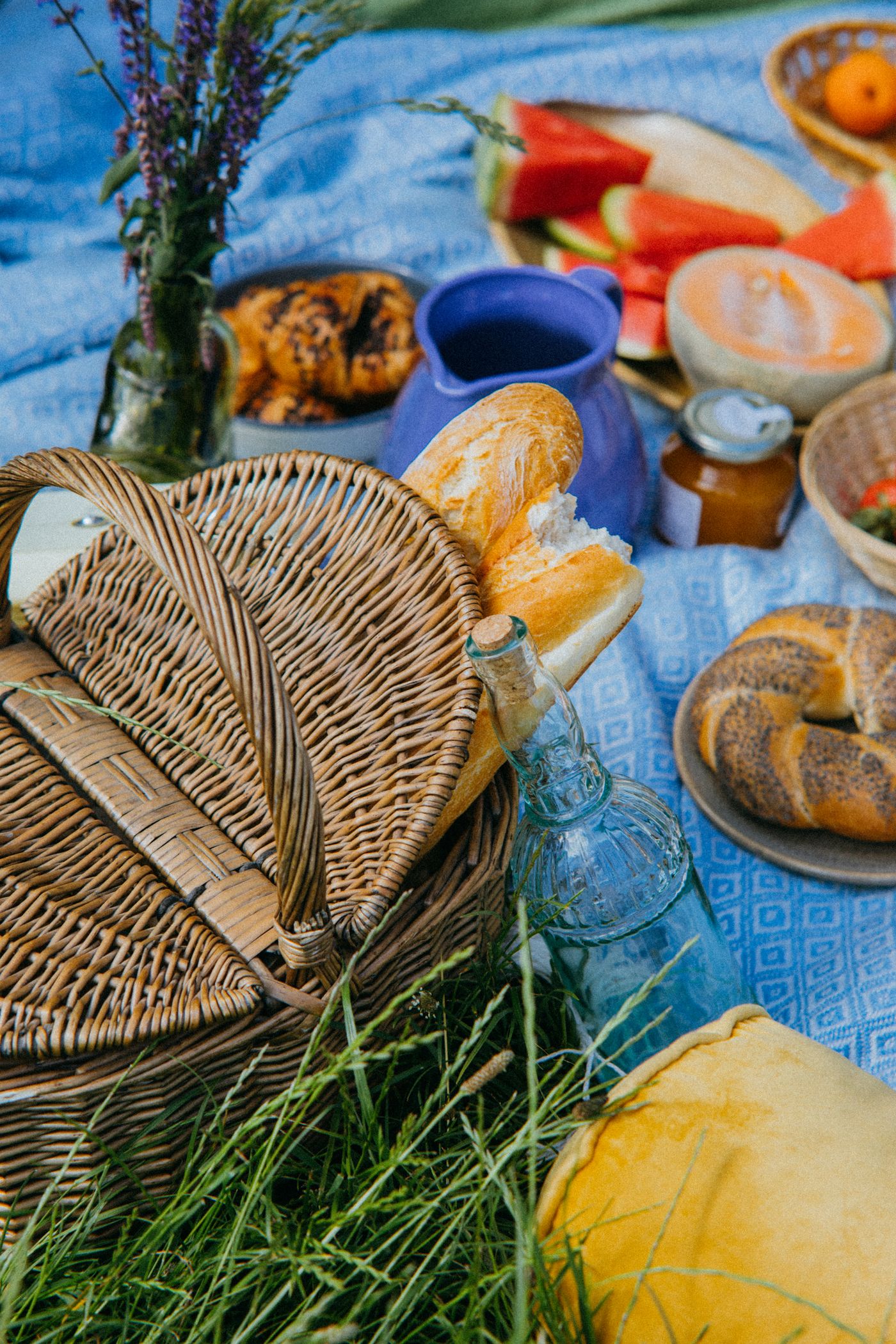
Plan a small outing with fewer containers and an easier journey home.

Explore an unfamiliar shelf and choose a few things to read without creating a homework list.
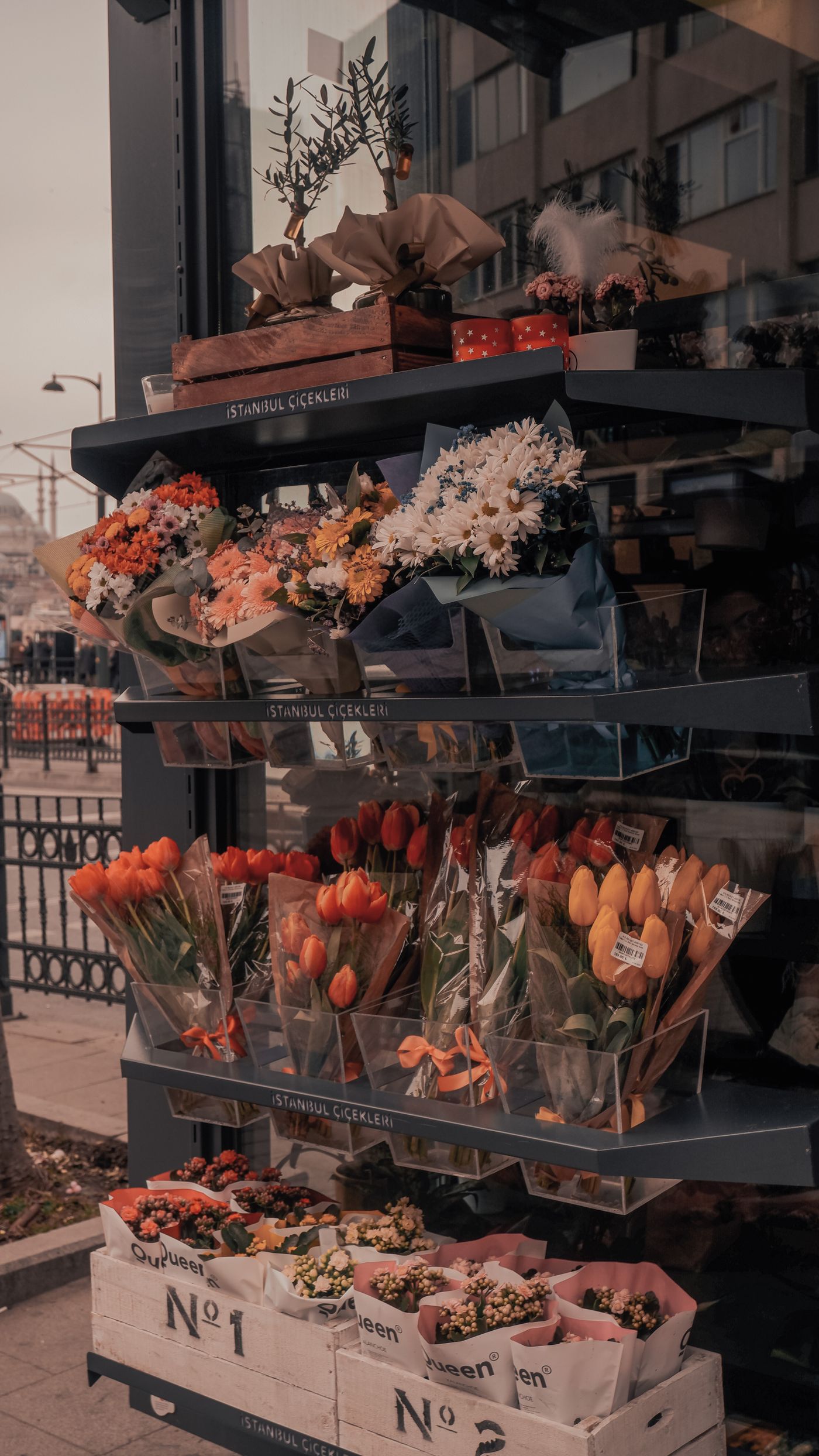
Build a small bouquet around the vase, journey and room you actually have.

Choose a manageable distance, a reliable return and a few things to notice along the water.
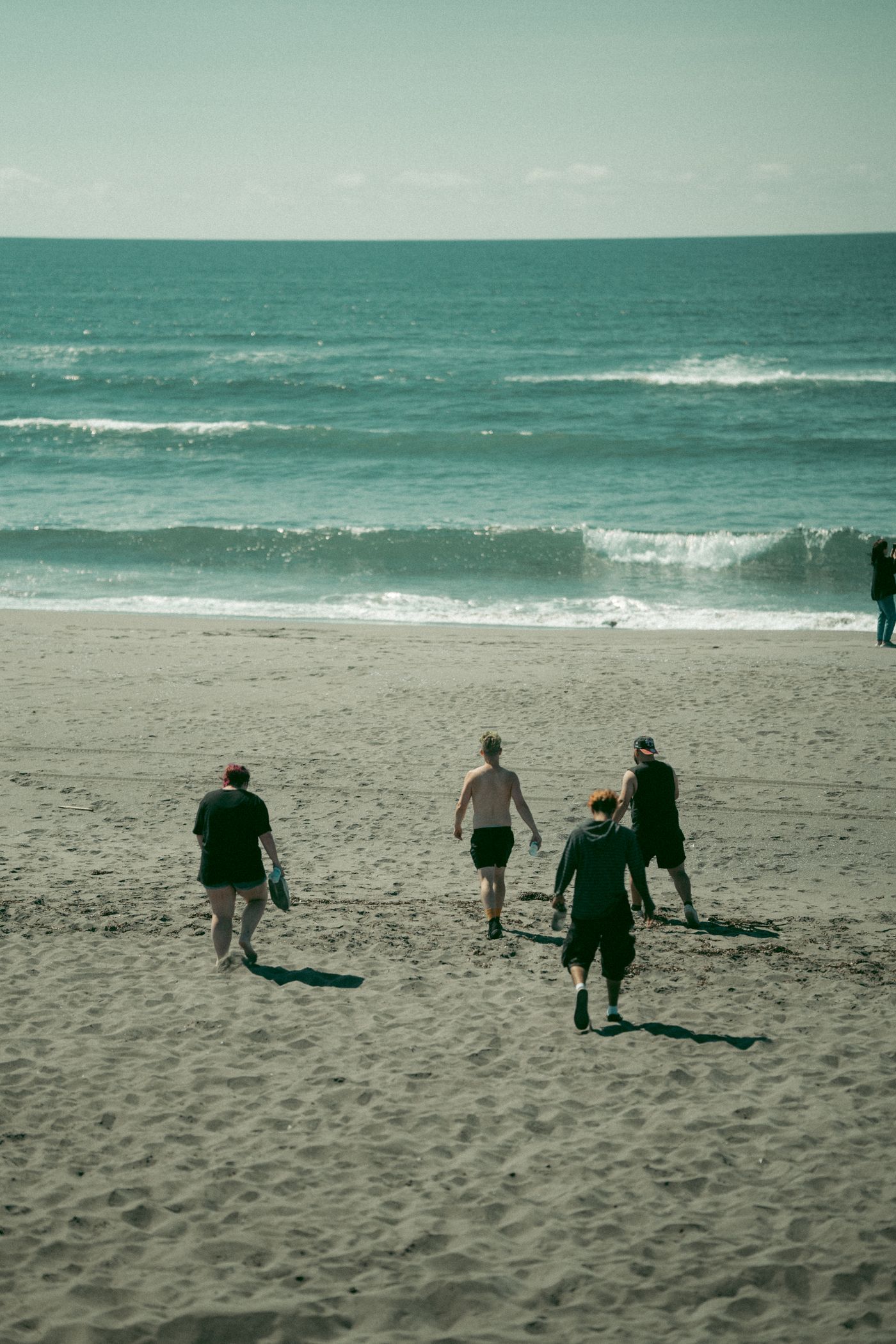
Walk, draw and observe the shore with an outing that does not depend on going into the water.
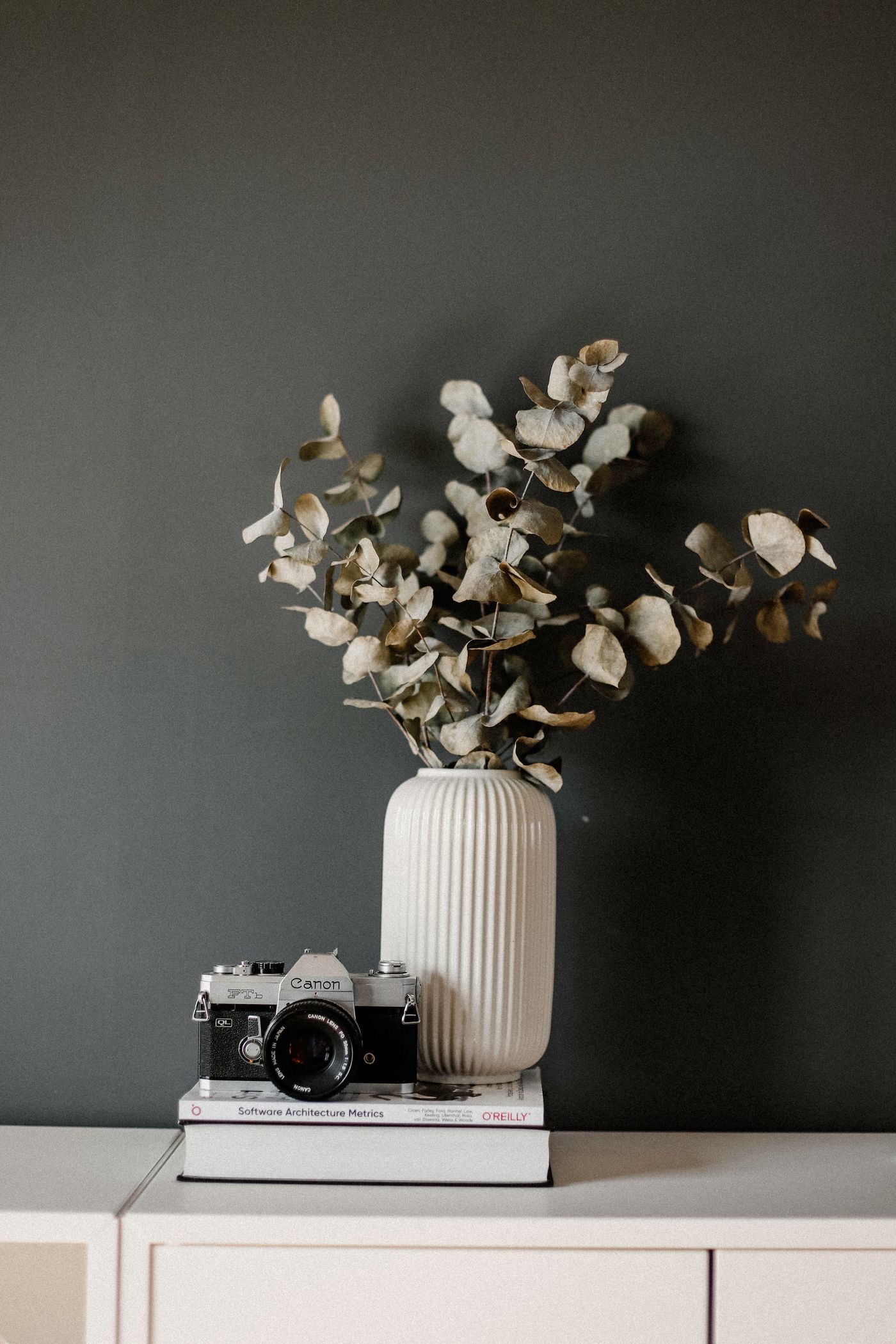
Use five different prompts to notice ordinary objects without redecorating a room.
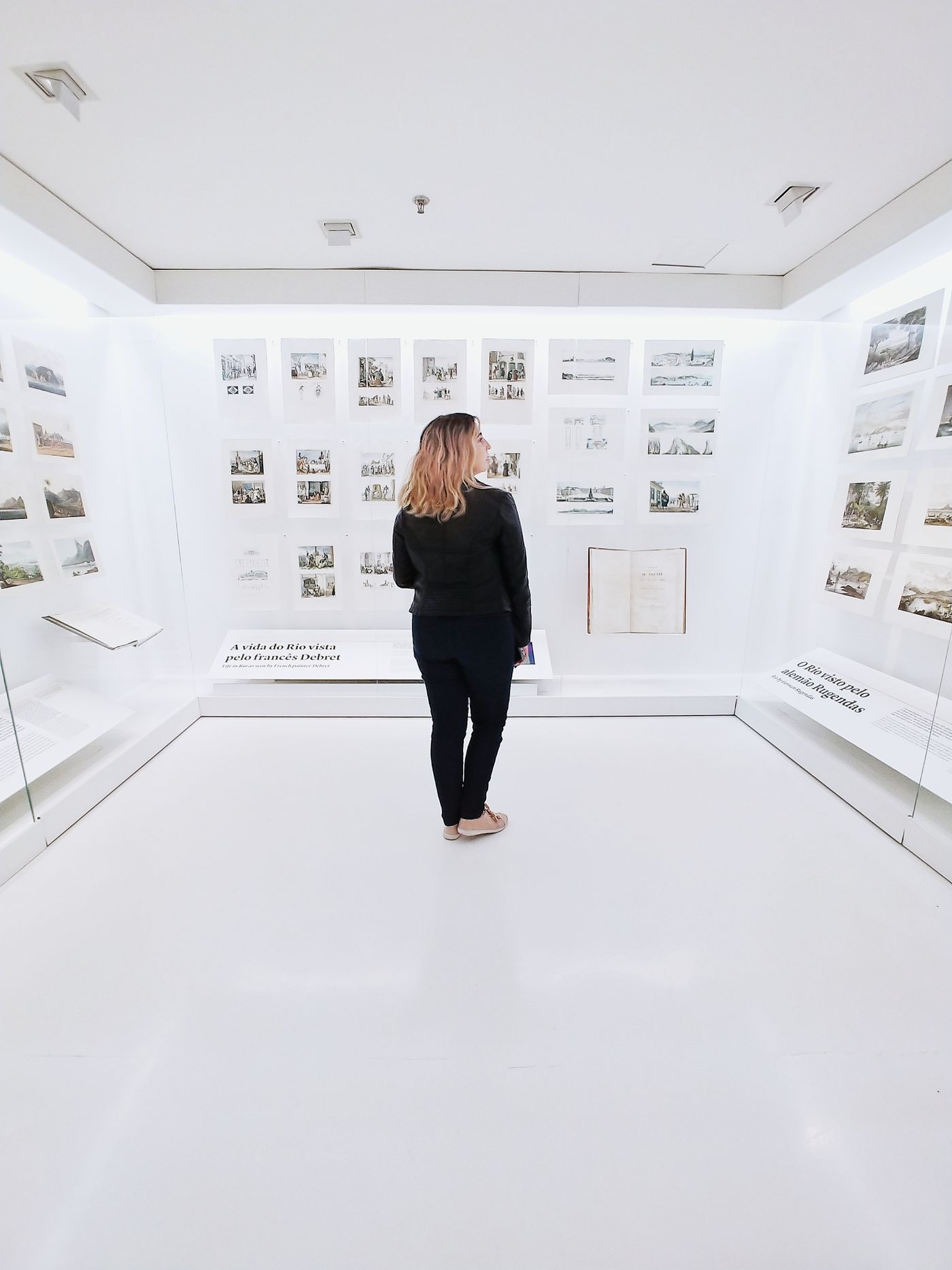
Spend time with a few objects instead of moving through every room at the same speed.

Choose a nearby destination, a realistic return and a plan that can survive small changes.

Notice textures, layers and traces while leaving the place as you found it.

Look beyond the cover and choose an edition that suits its next use.

Bring one manageable book outside without setting a page target.
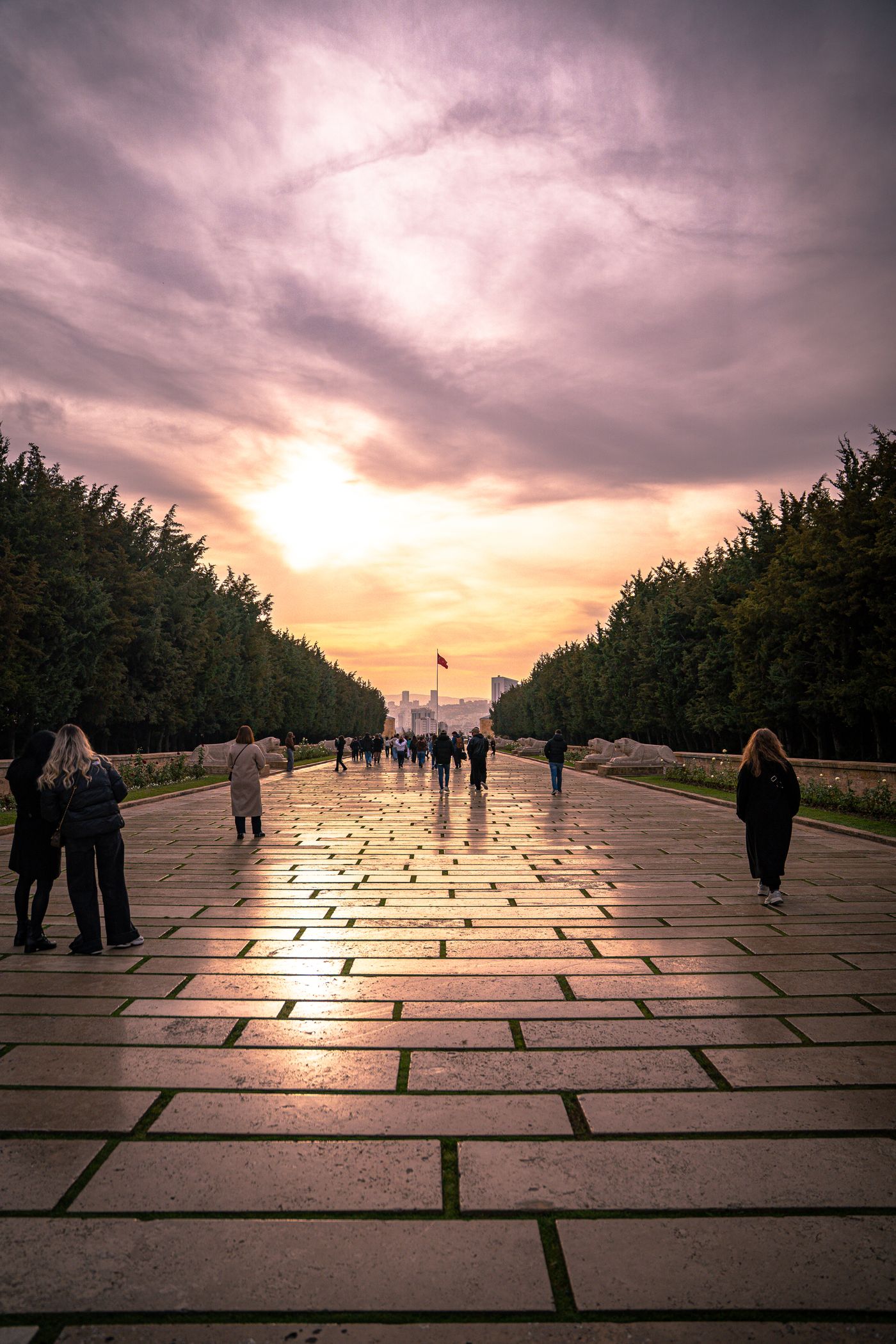
Enjoy changing evening light while keeping a straightforward journey home.

Record a few plant shapes and names without copying every label.
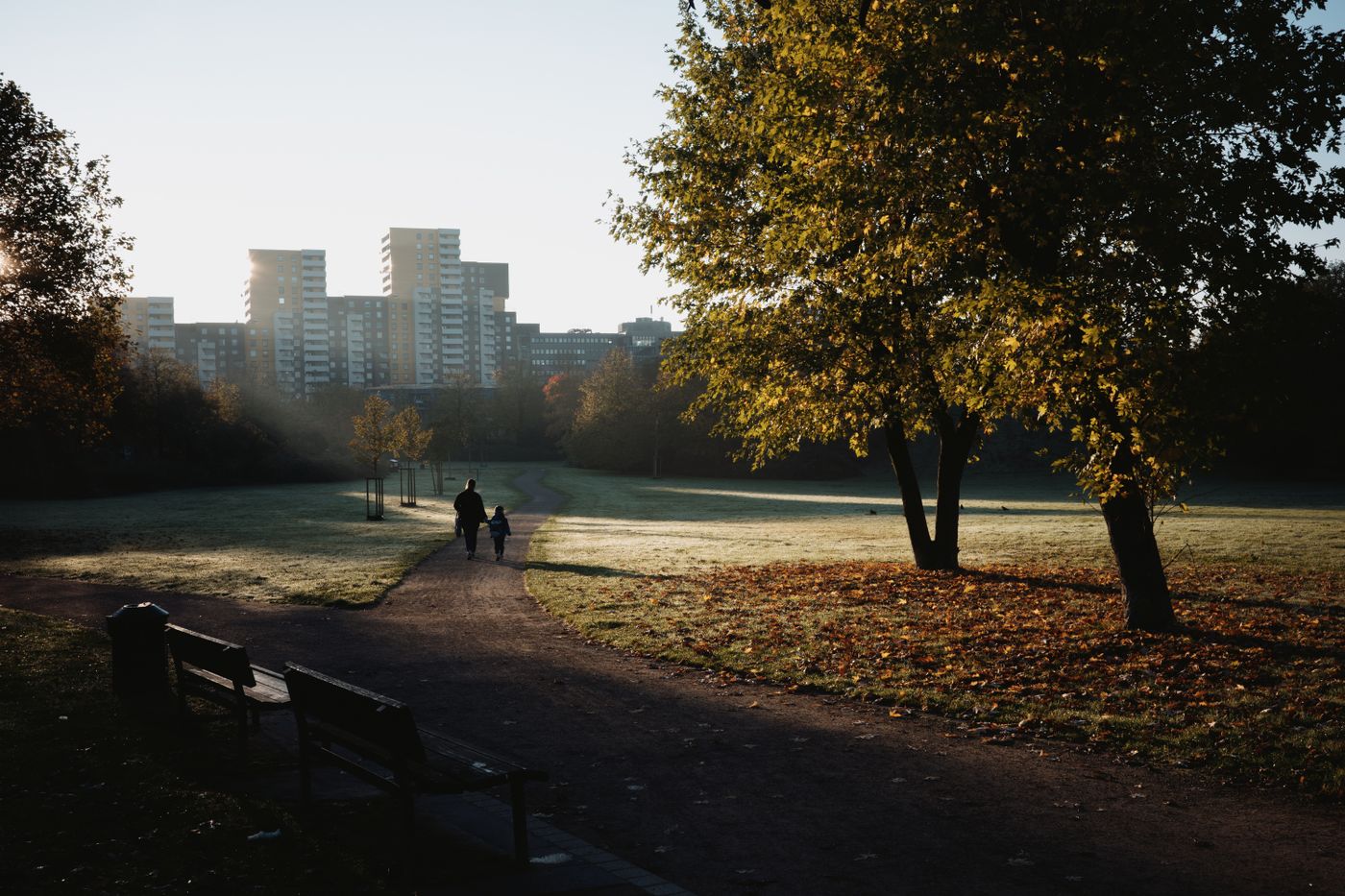
Put the phone away while keeping the information and contact options you actually need.
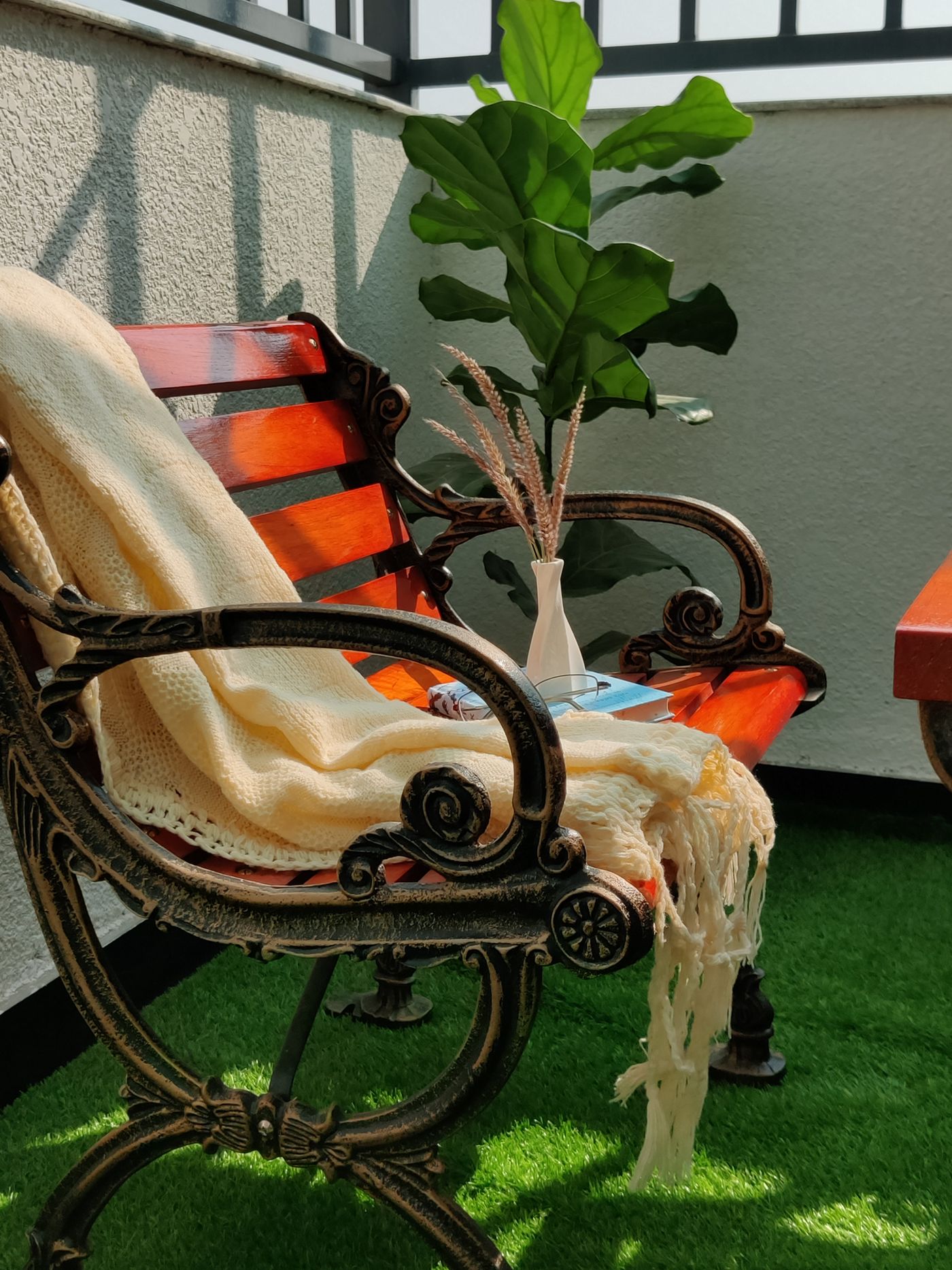
Create a small outdoor reading and play space without a large tent or improvised fixings.
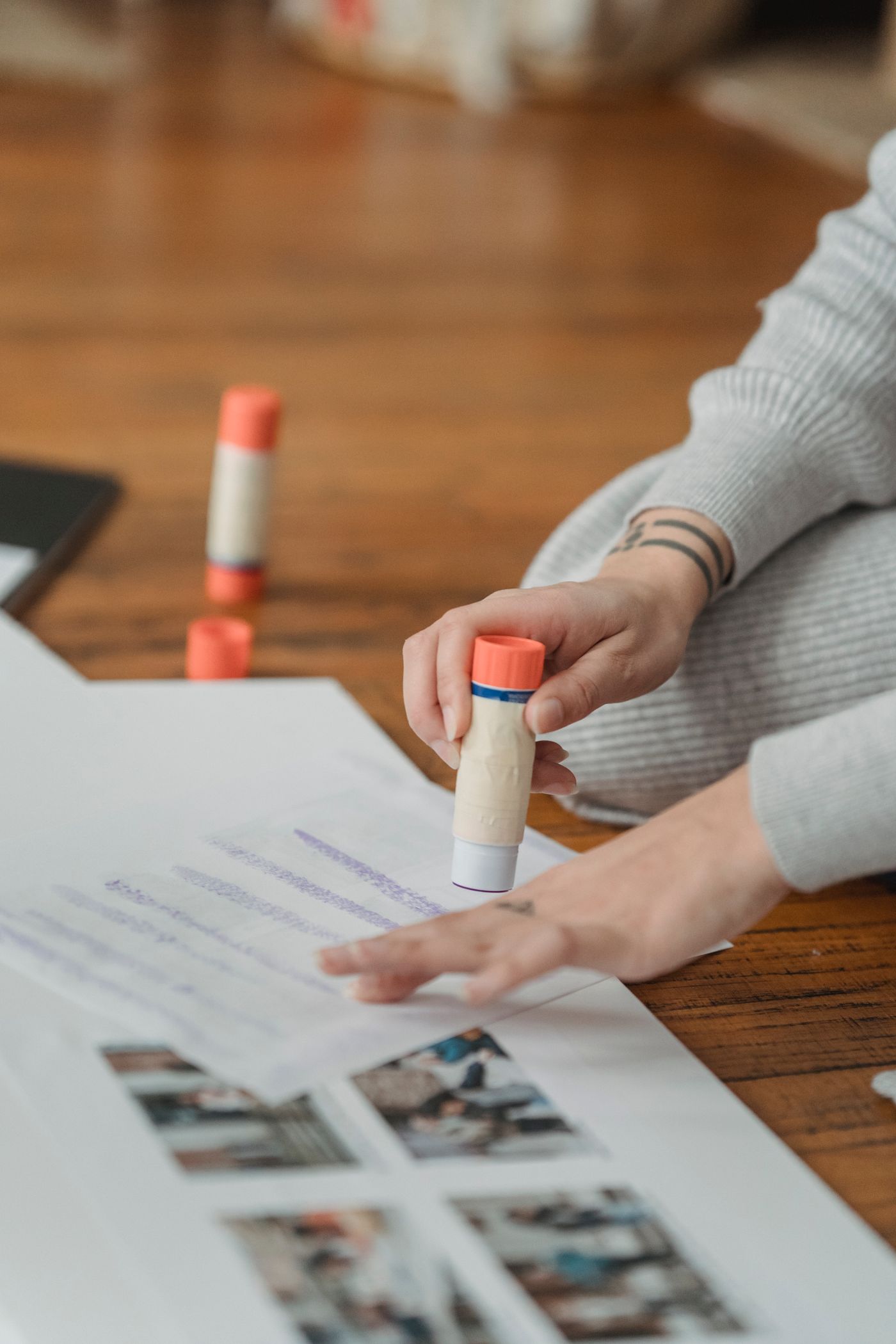
Build an idea from a few pieces of paper and keep the worktable easy to clear.
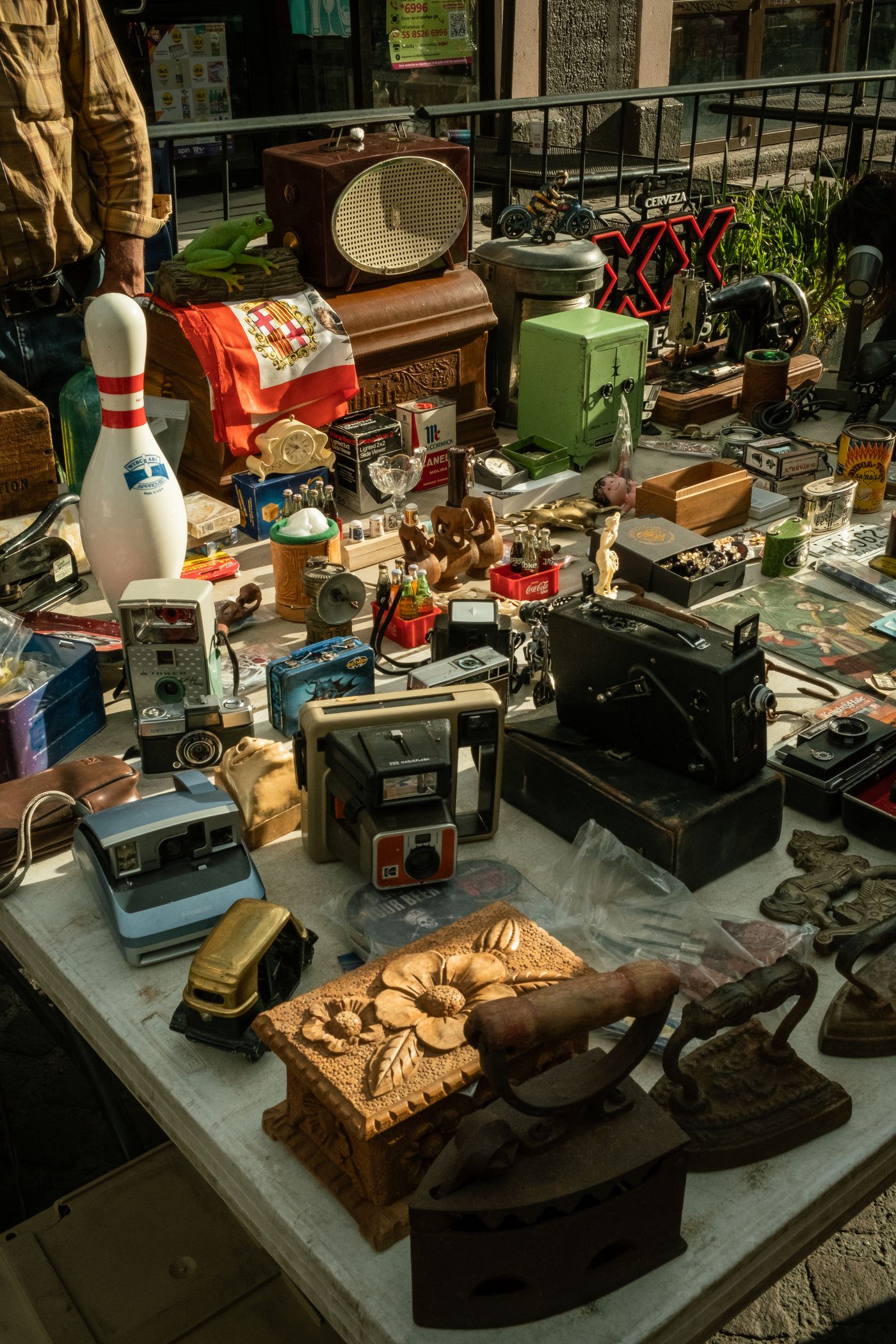
Use a few criteria to inspect objects, negotiate politely and bring home things with a purpose.

Look at windows, doors and materials along a familiar route without entering private property.

Follow shapes and changes without needing a name for every cloud.
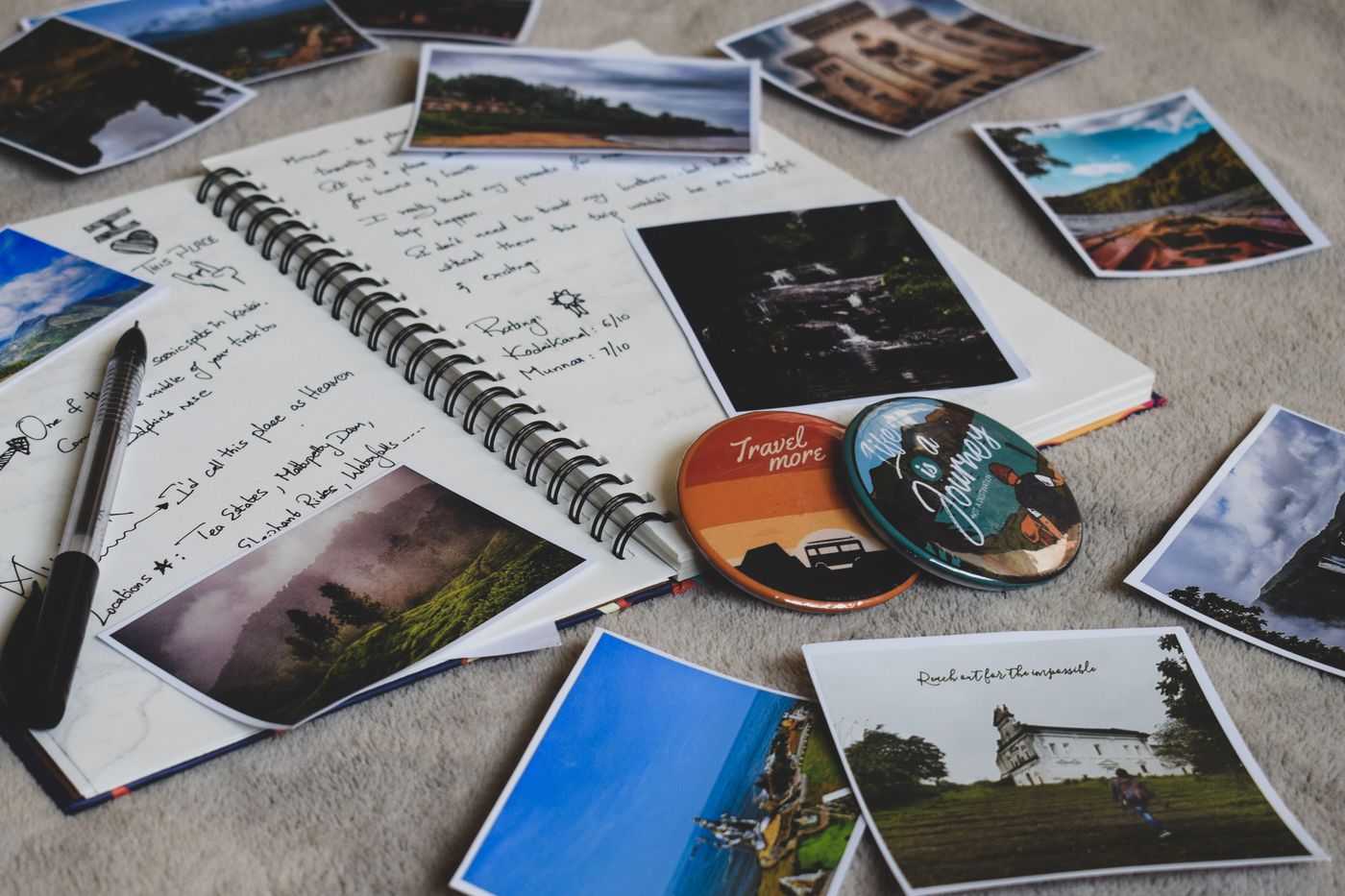
Save a few papers and details without starting an album that never gets finished.
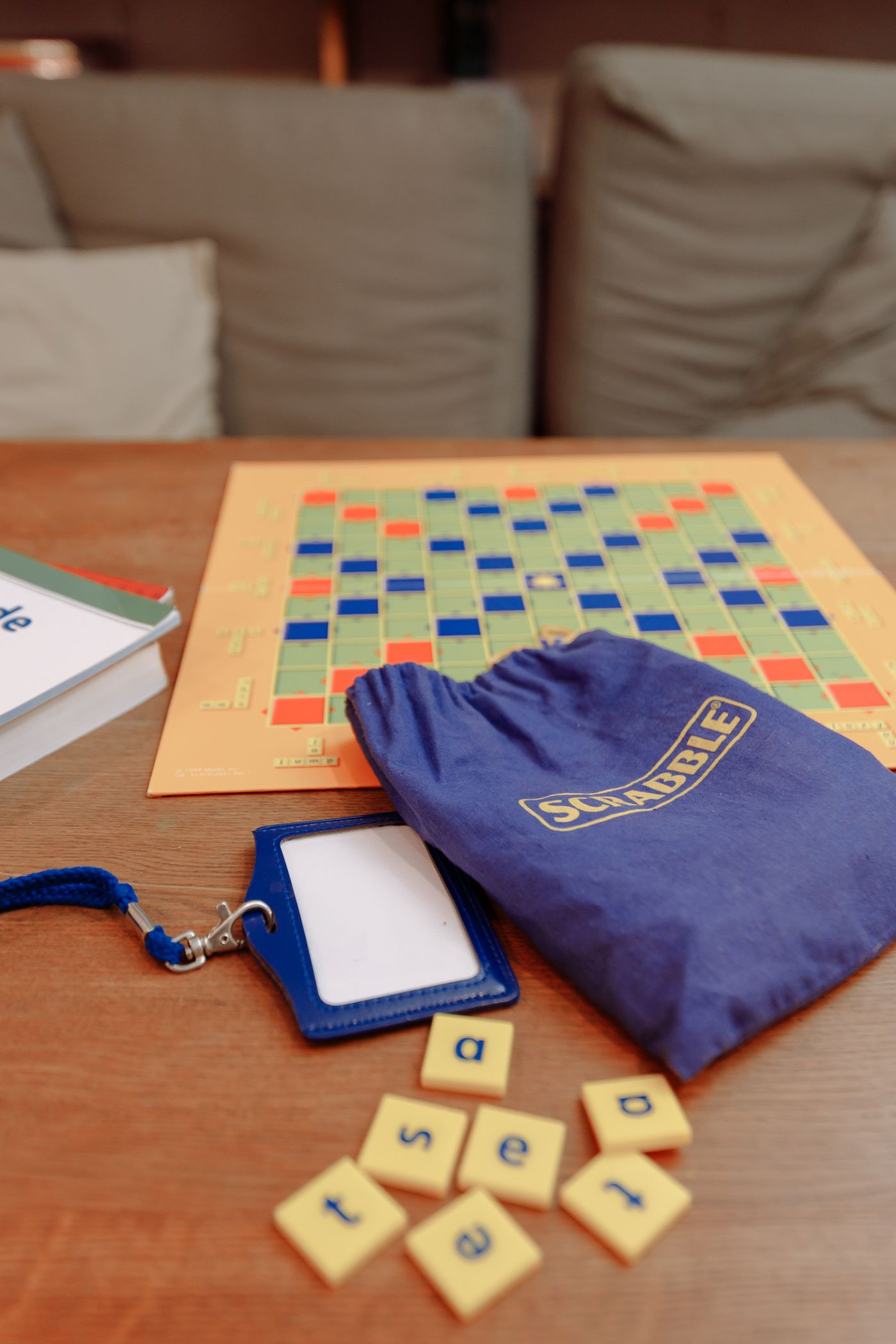
Match the game, explanation and available space to the people who will actually be playing.
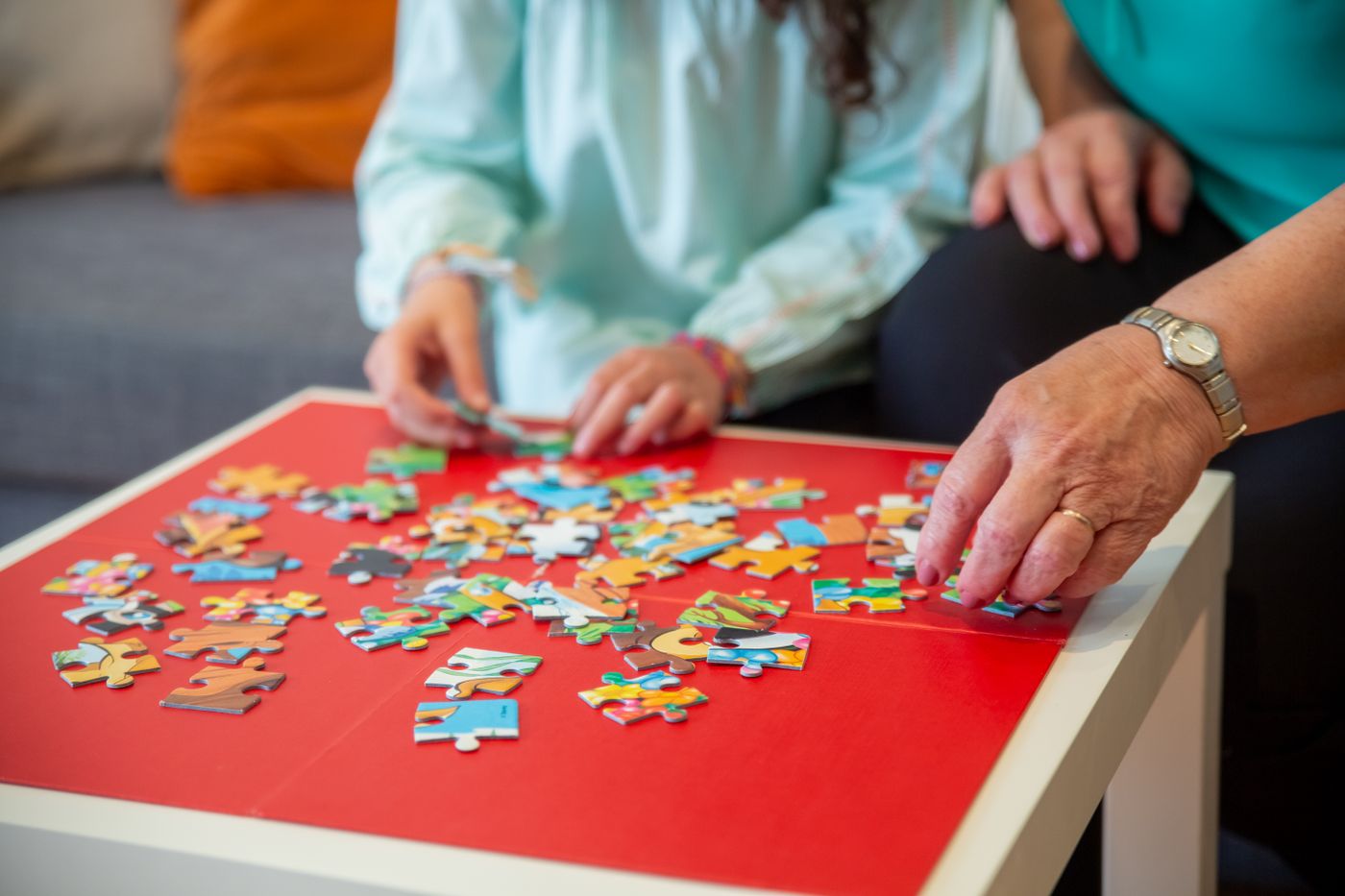
Arrange pieces and places so everyone can contribute without one person taking over.
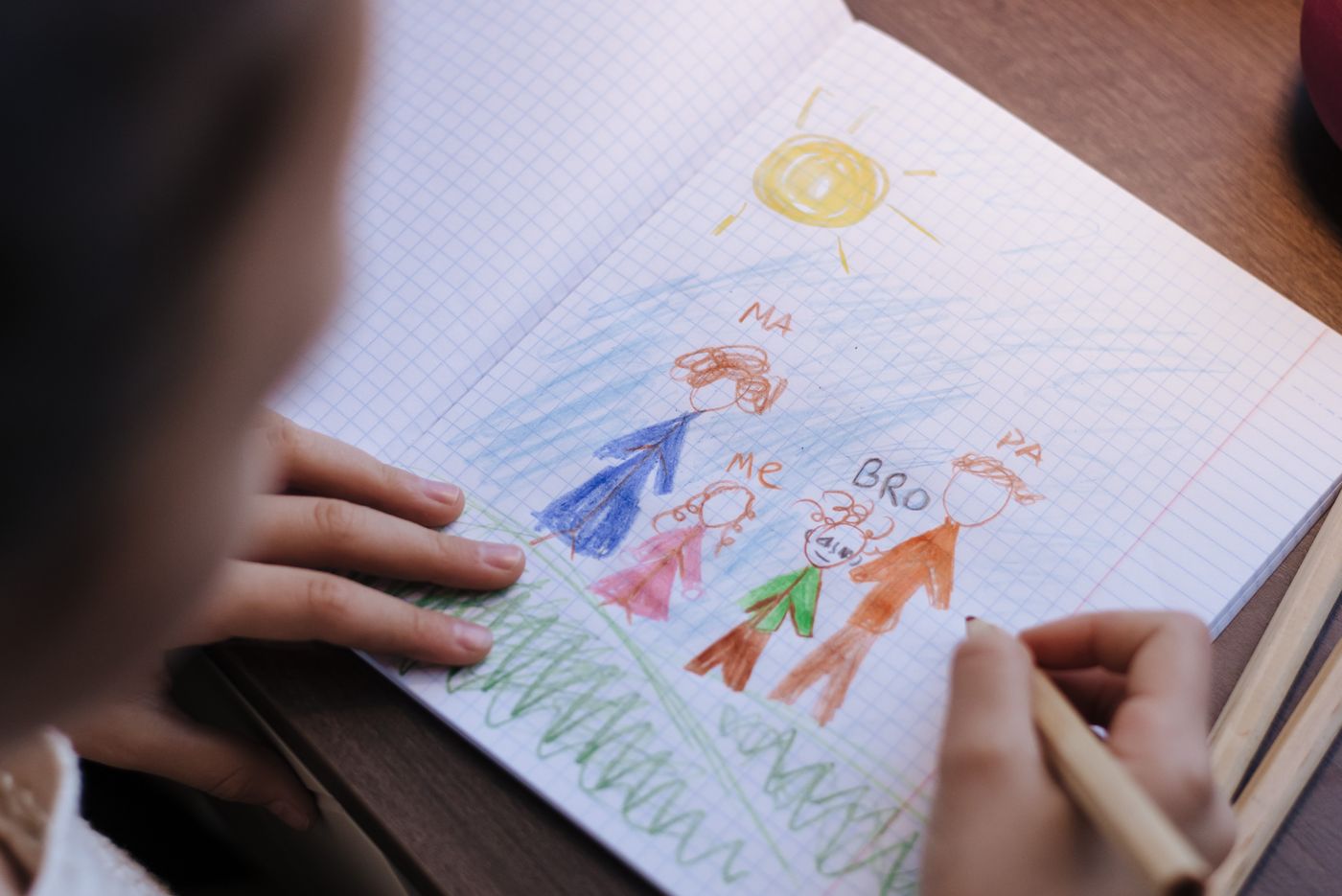
Pass sheets around to make shared pictures without judging drawing ability.

Make the difference between giving and lending clear, and decide what happens to unchosen books.

Share a few tracks and the details that interest you without turning taste into a competition.
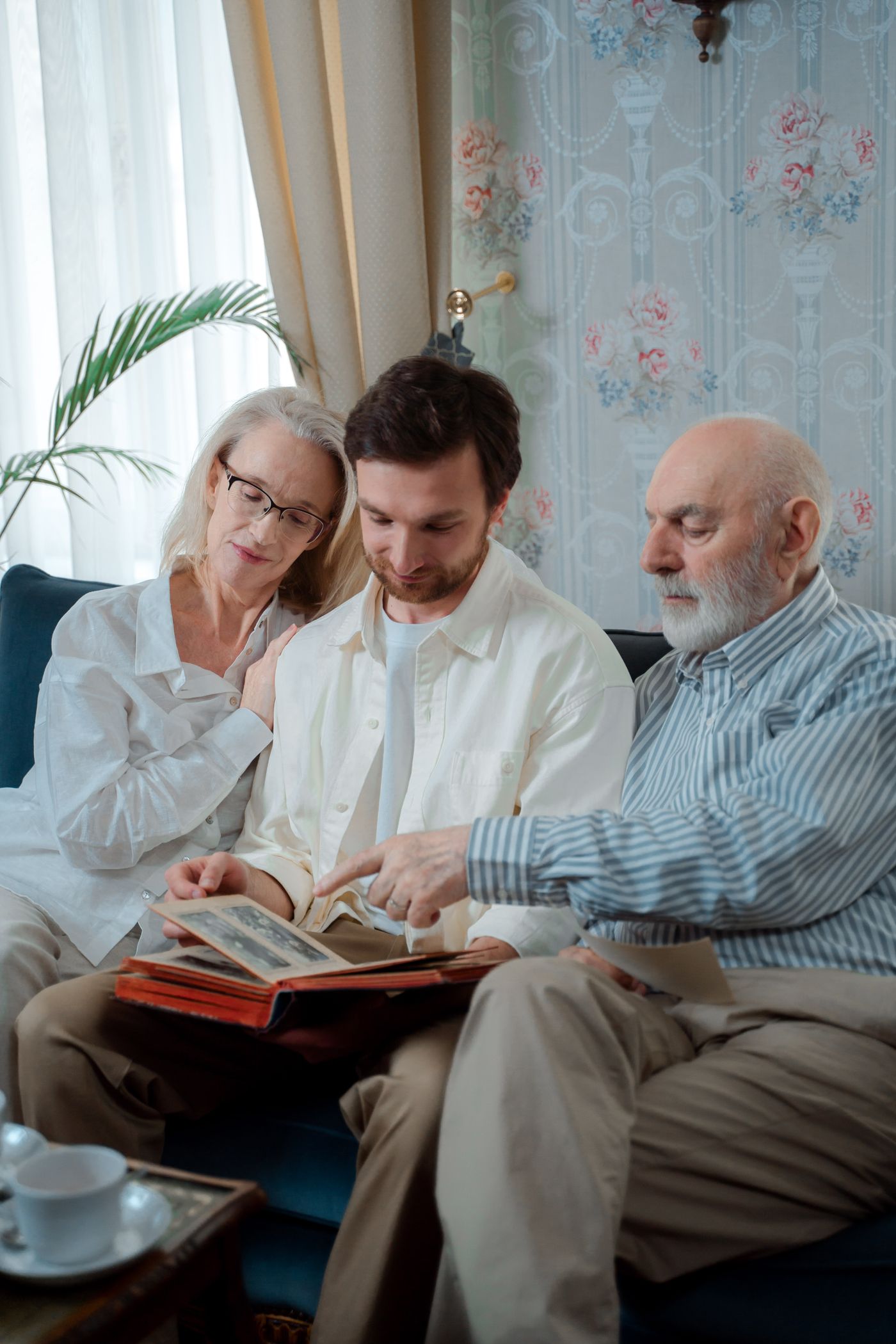
Agree on pictures, captions and who can see them before printing or sharing the finished pages.

Write from your neighbourhood or kitchen table instead of waiting for a remarkable holiday.
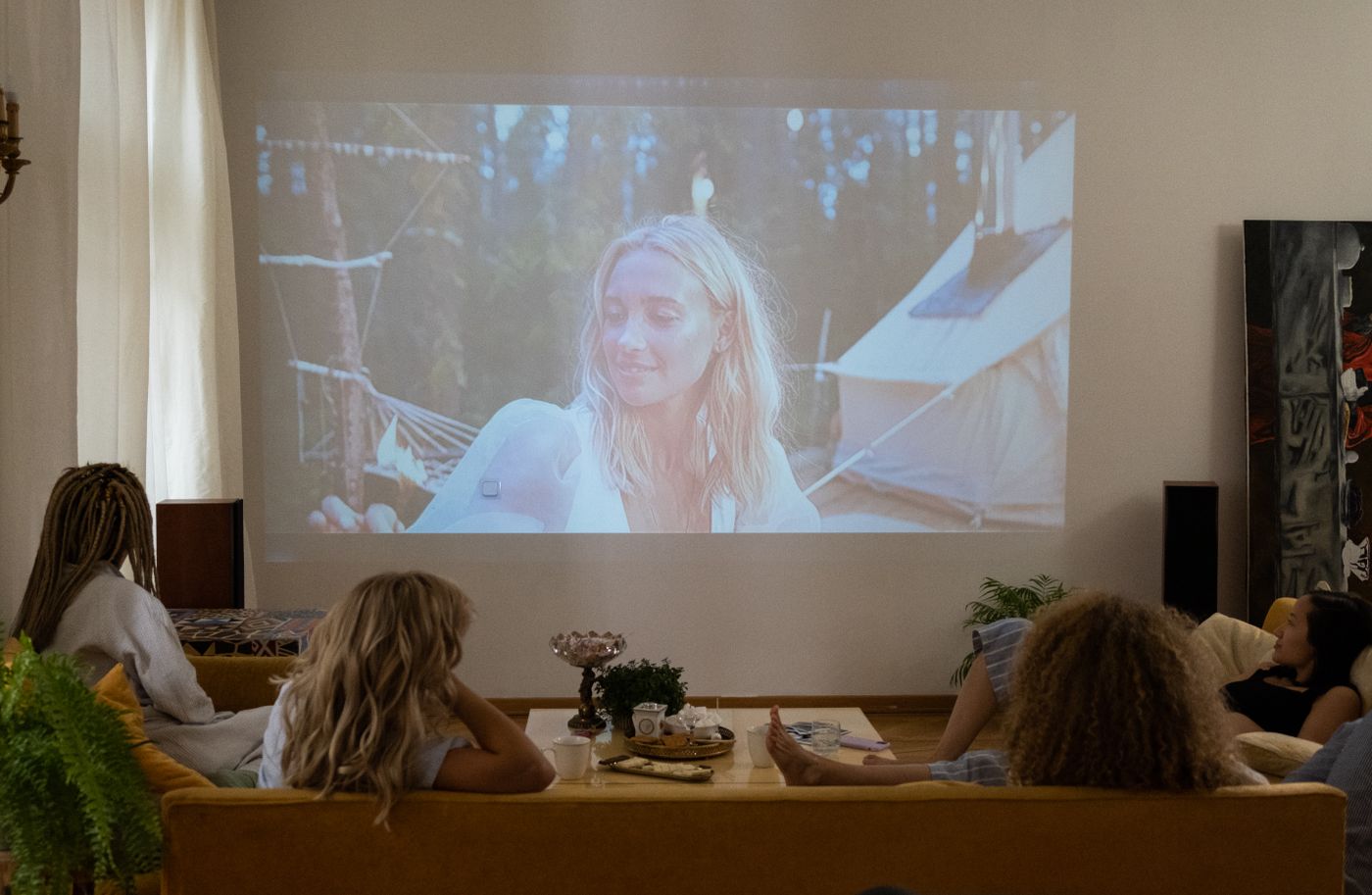
Think about the film, sound and people as carefully as the screen.
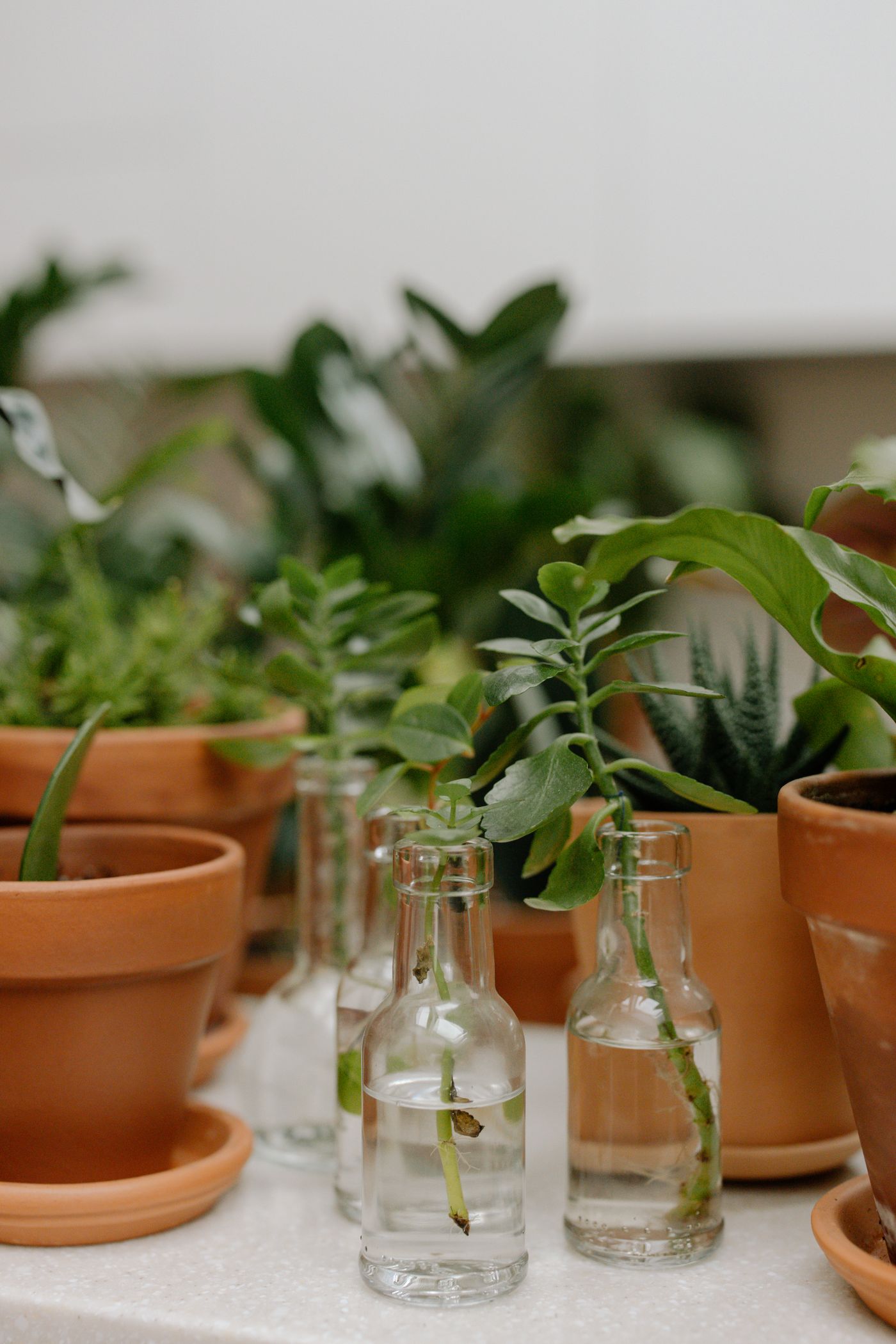
Share identified plants, useful care details and the freedom not to take one.
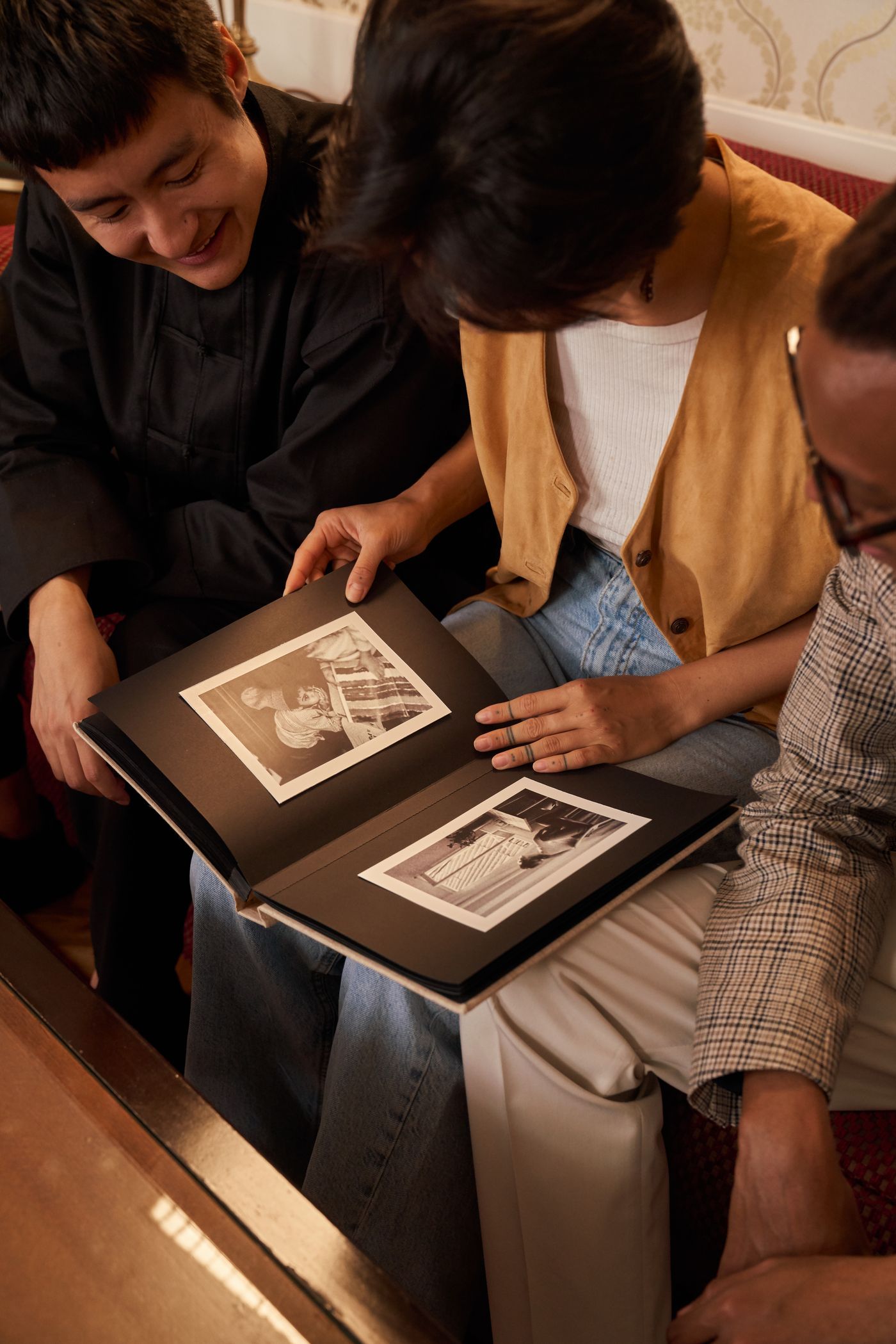
Ask open questions and preserve a story on terms agreed by the person telling it.
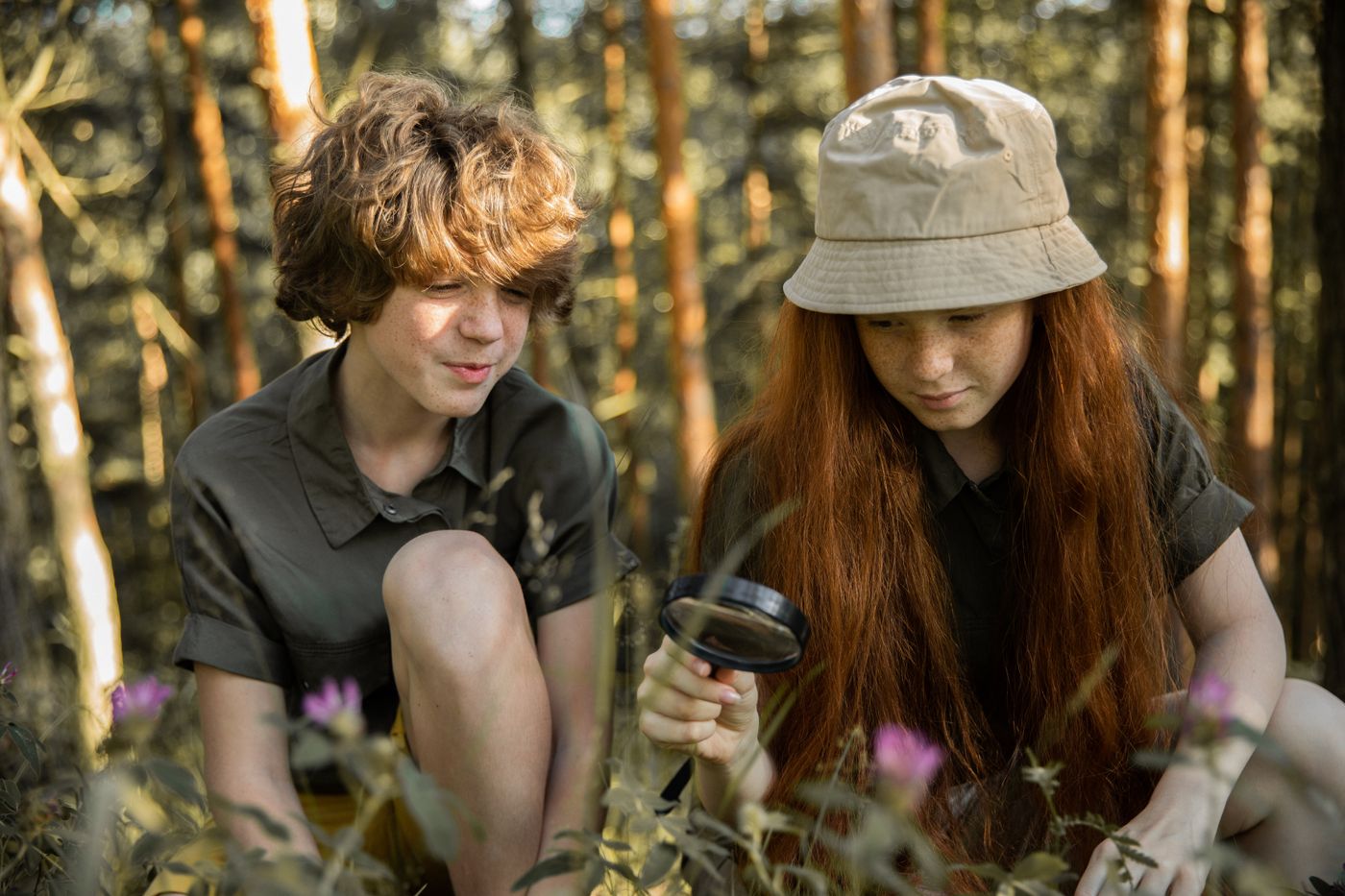
Look for shapes, textures and colours together without collecting objects or ranking participants.

Fold, test and change one detail at a time to compare how the planes move.

Choose a distance and pace that leave room for conversation.
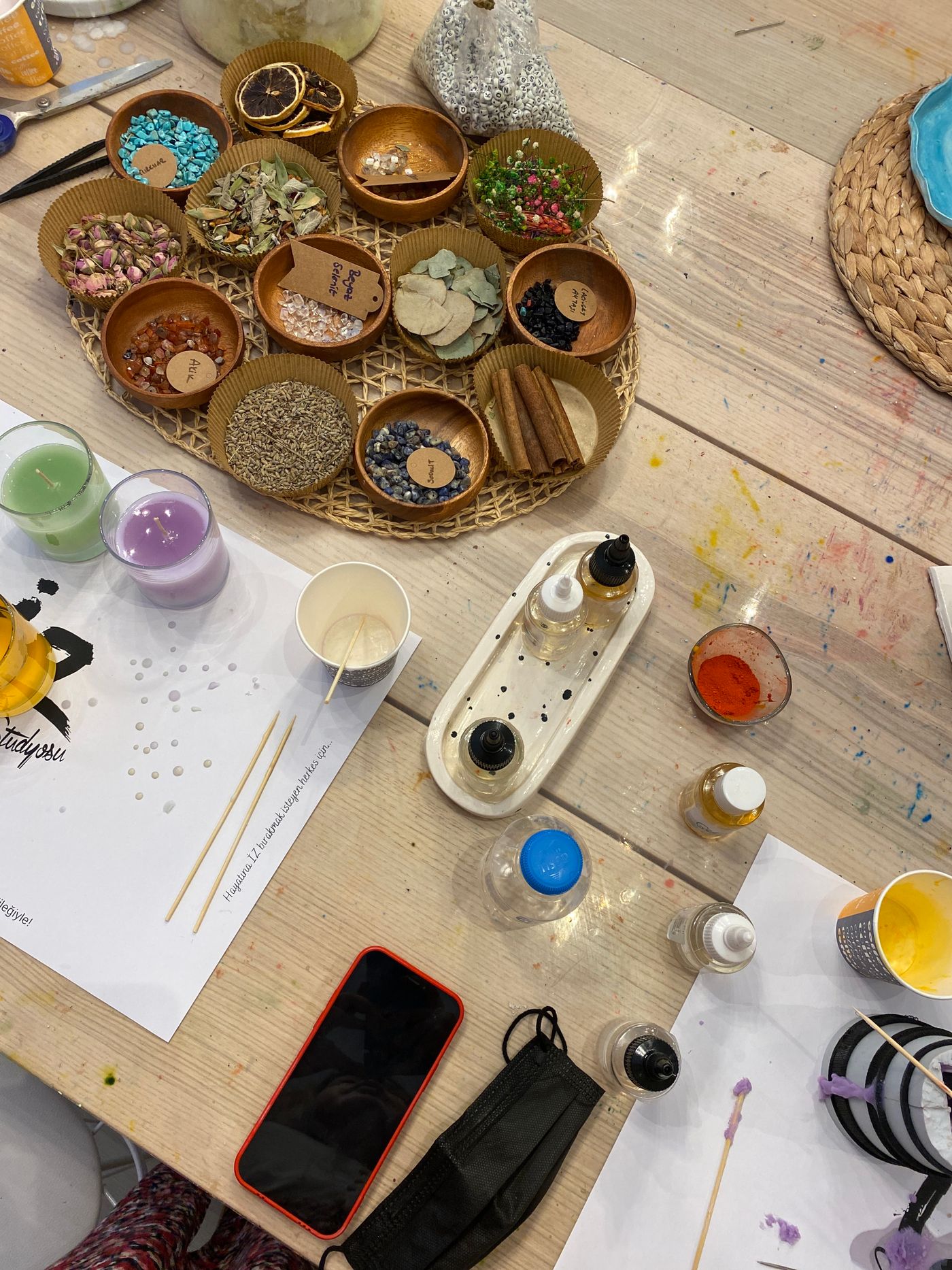
Offer a few materials without expecting everyone to produce the same object.
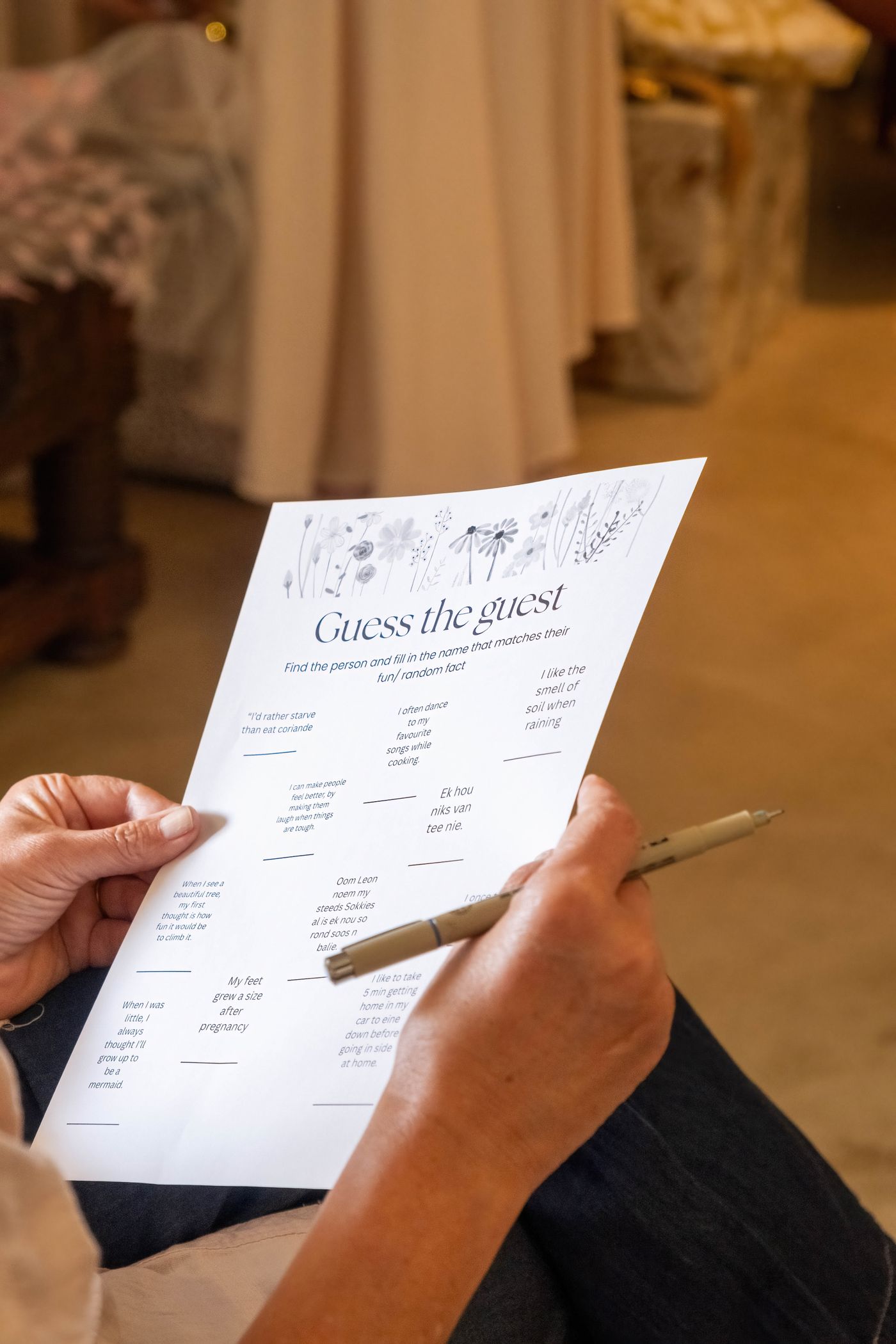
Vary subjects and ways of answering so the same knowledge does not dominate every round.

Agree on a listening context and a contribution rule before adding dozens of tracks.

Separate common commitments from personal task lists and agree how changes will be communicated.
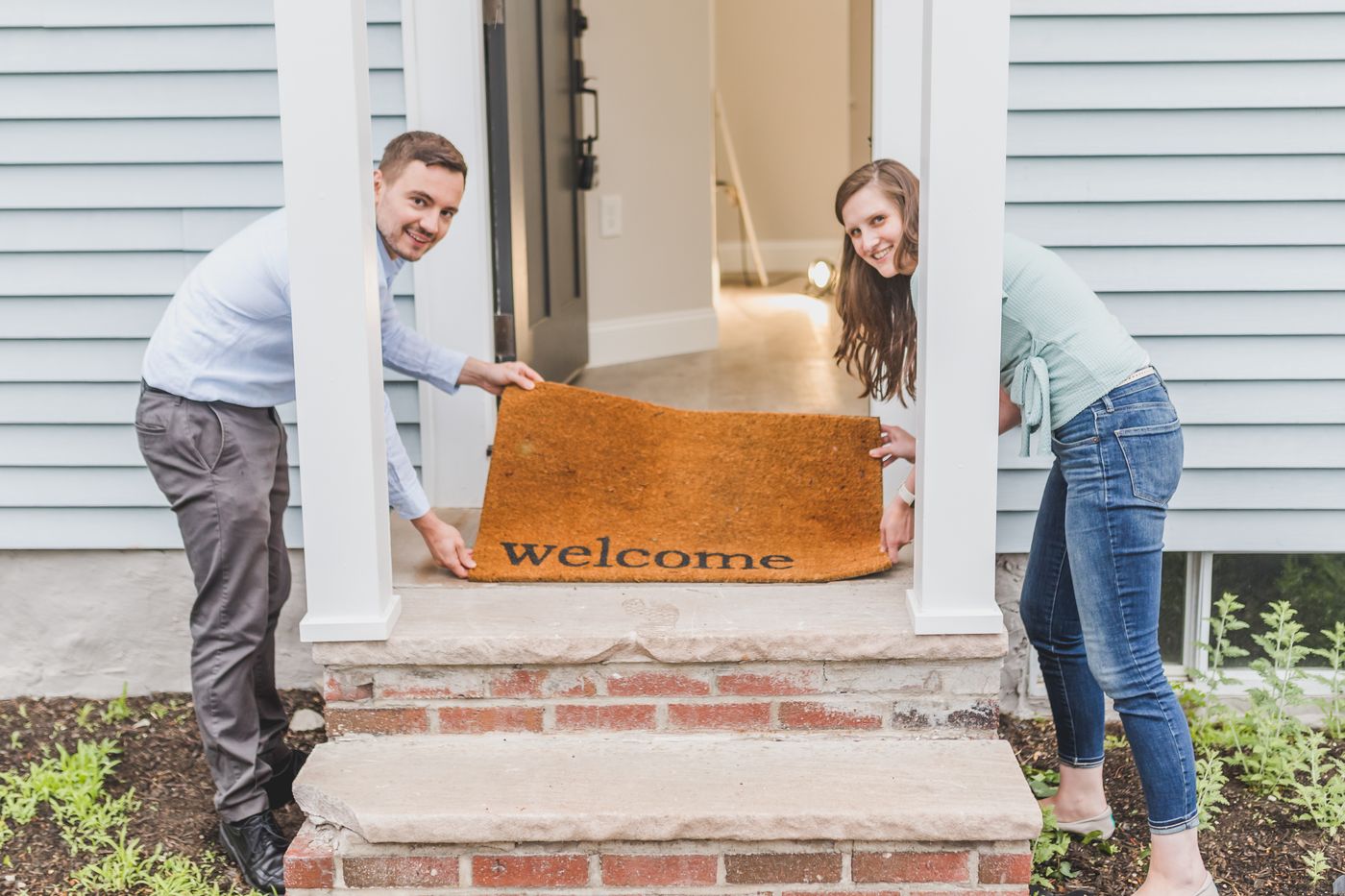
Offer a contact and a few useful references without expecting an immediate friendship.
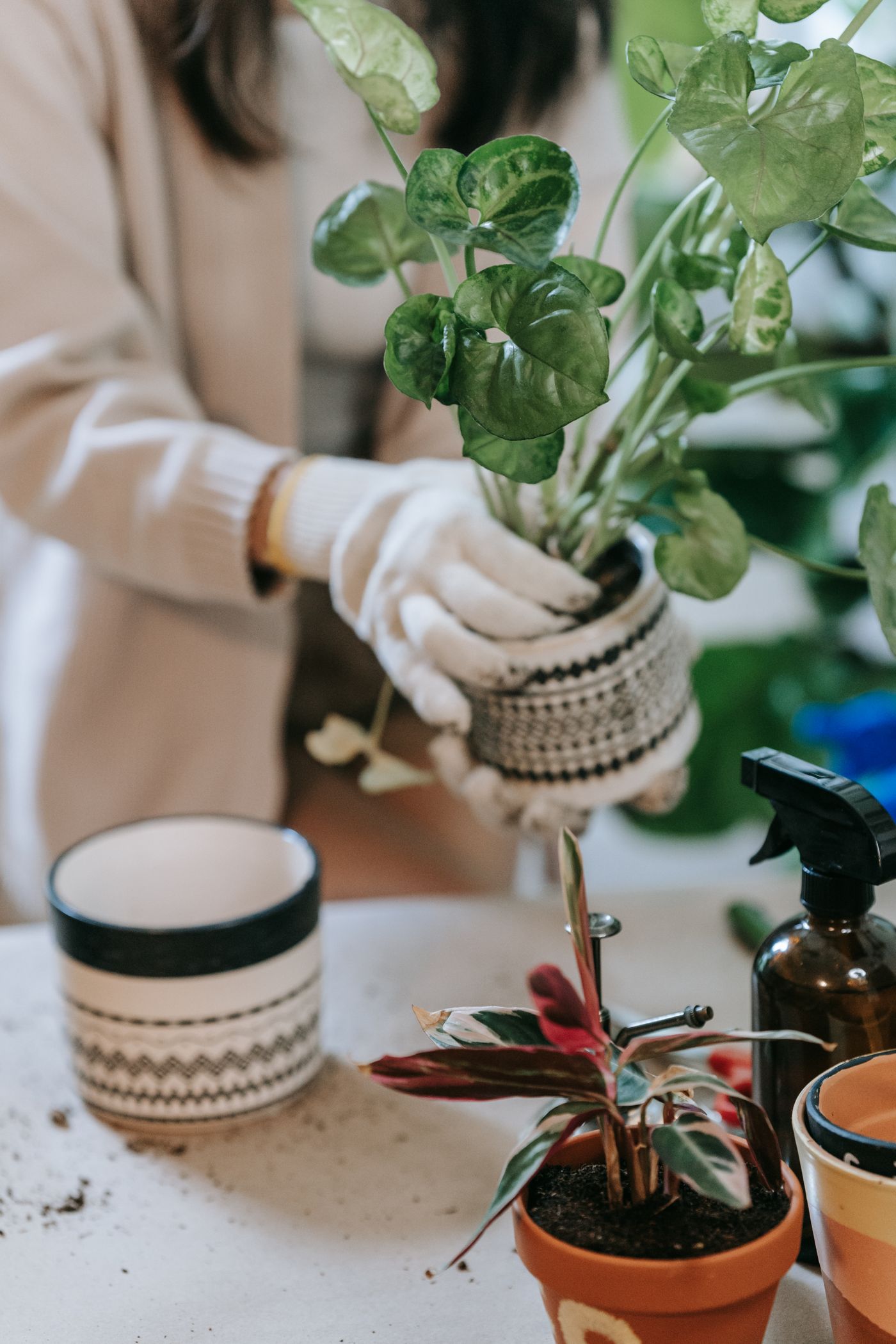
Agree on planting tasks and ongoing care before filling a shared outdoor space.
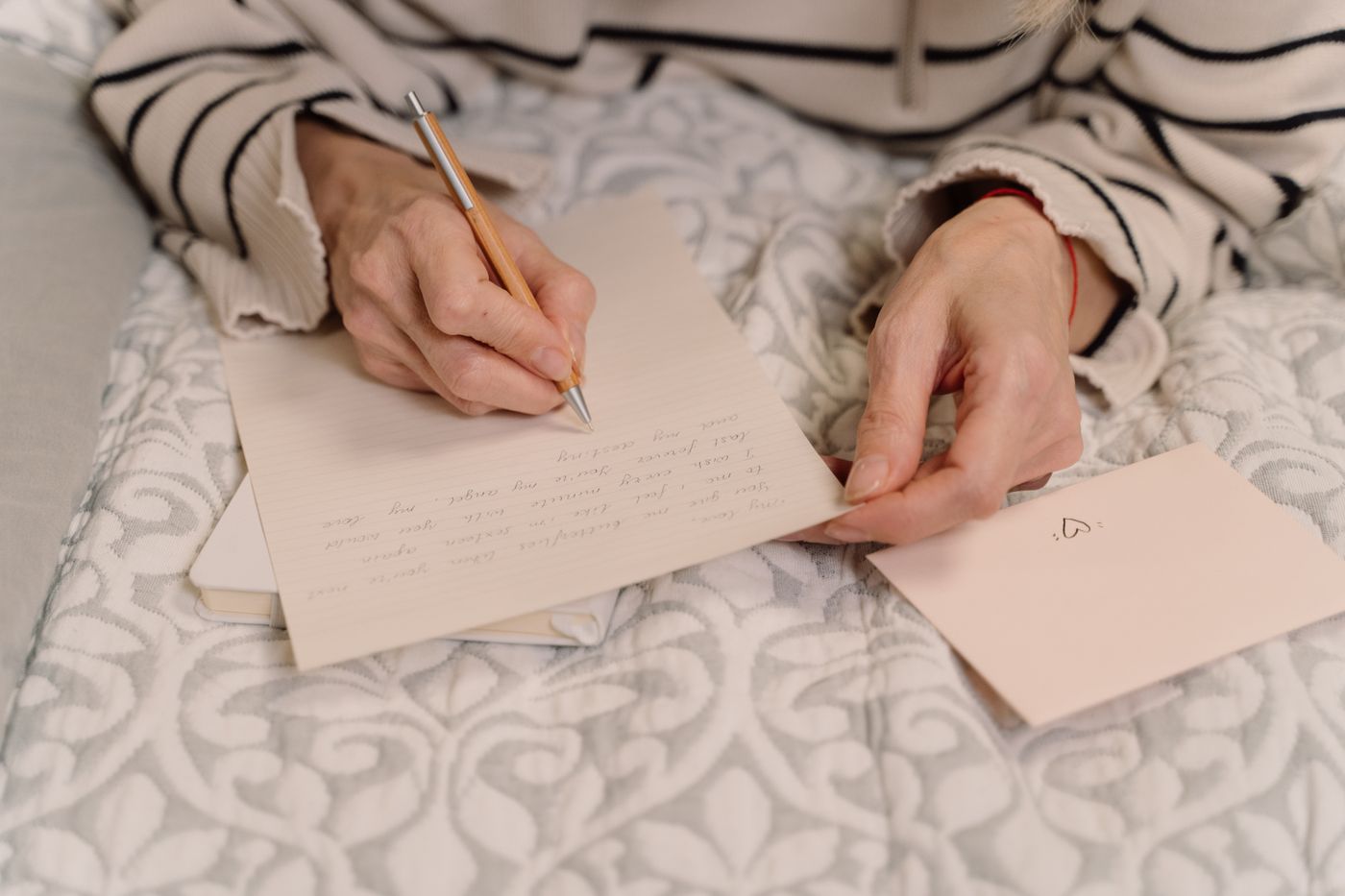
Share materials and company while keeping each person's correspondence private.
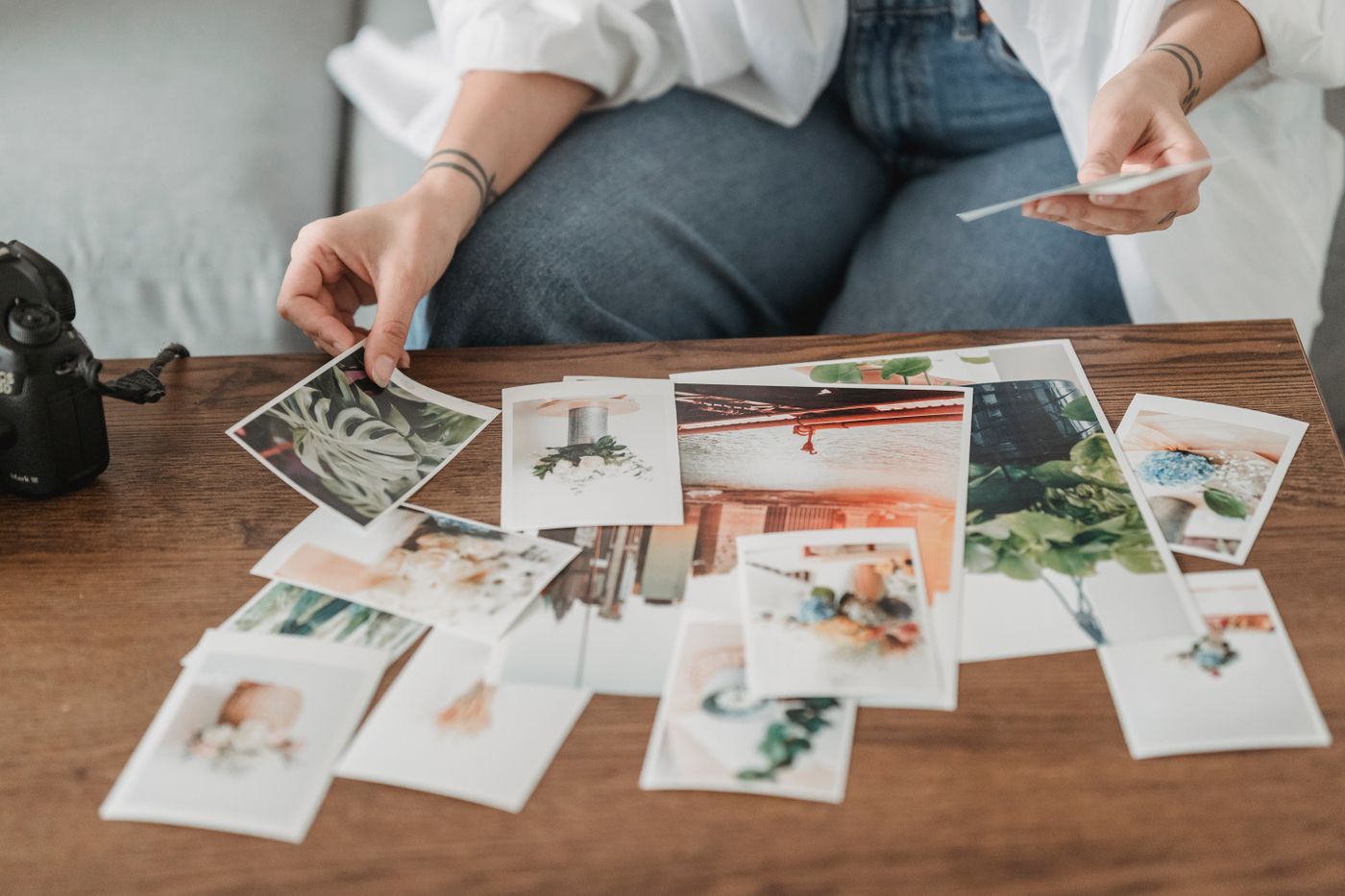
Work in limited batches, protect originals and separate filing choices from personal memories.

Match the fabric to the object and make clear whether the wrapping is part of the present.

Create a light, readable decoration and attach it without making the wall an afterthought.

Connect the object to a specific thought without grand phrases or expectations about the response.
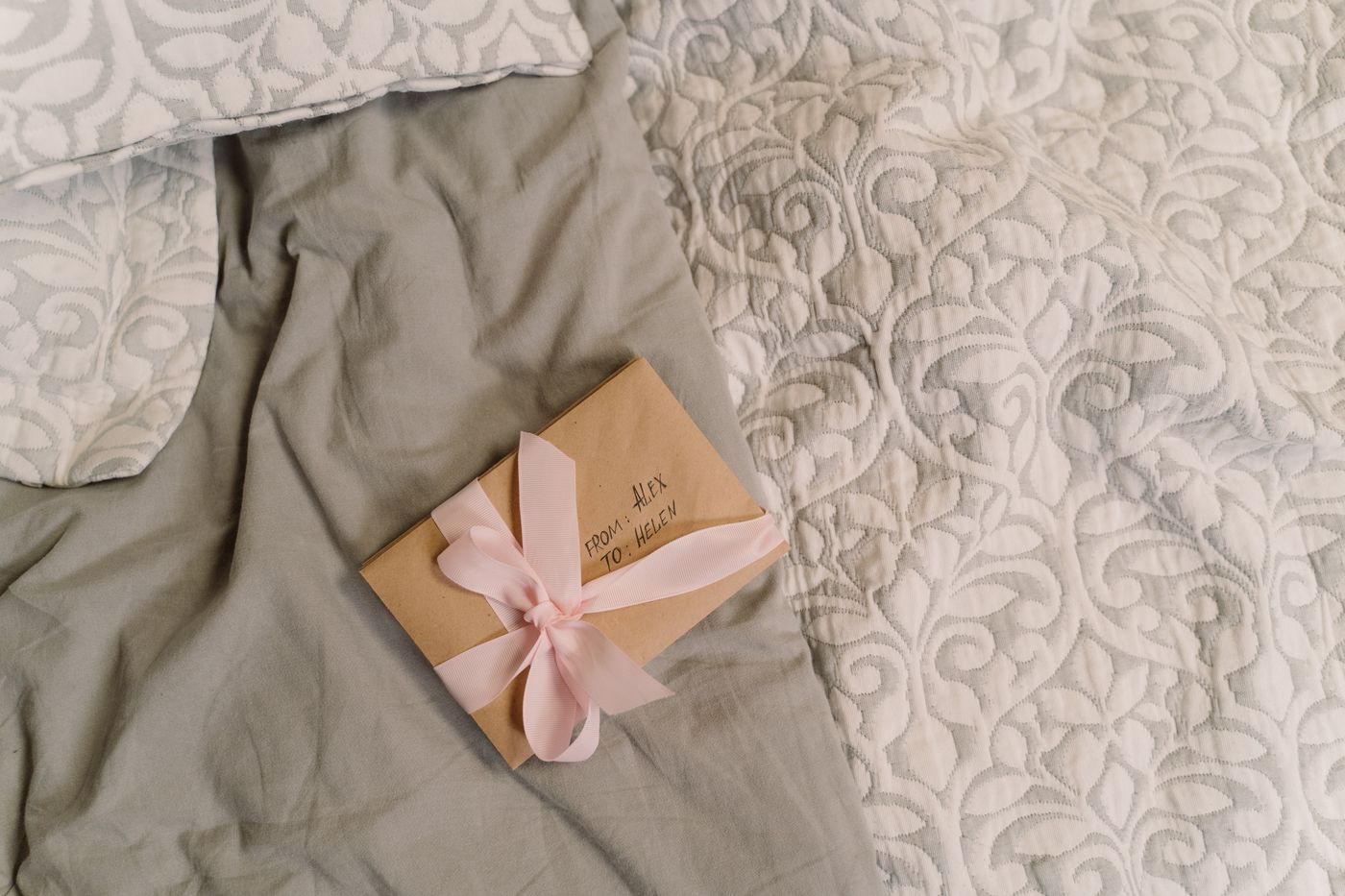
Present an experience with enough flexibility for the recipient to genuinely enjoy it.
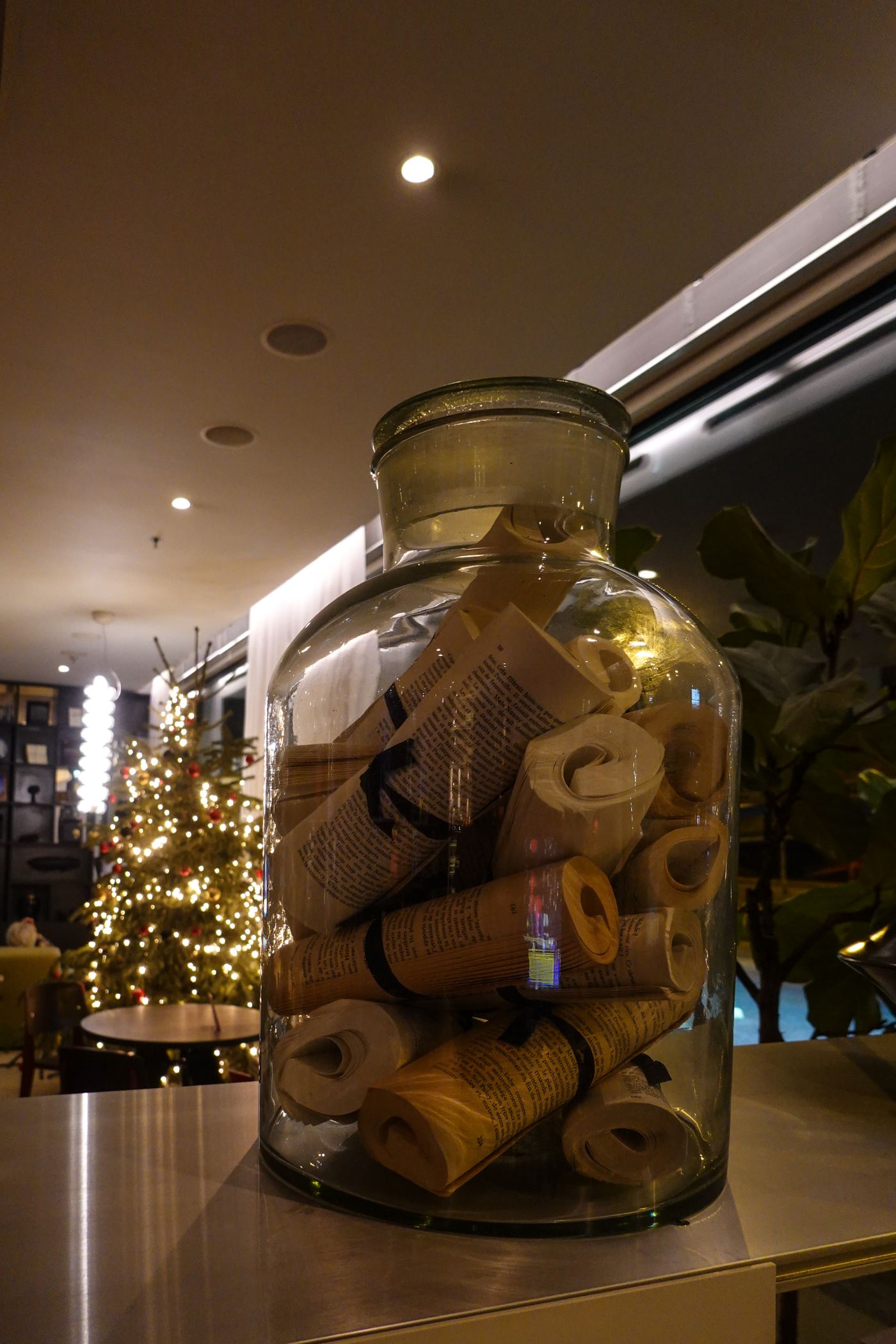
Create a gift of short accounts of shared moments without demanding private revelations.
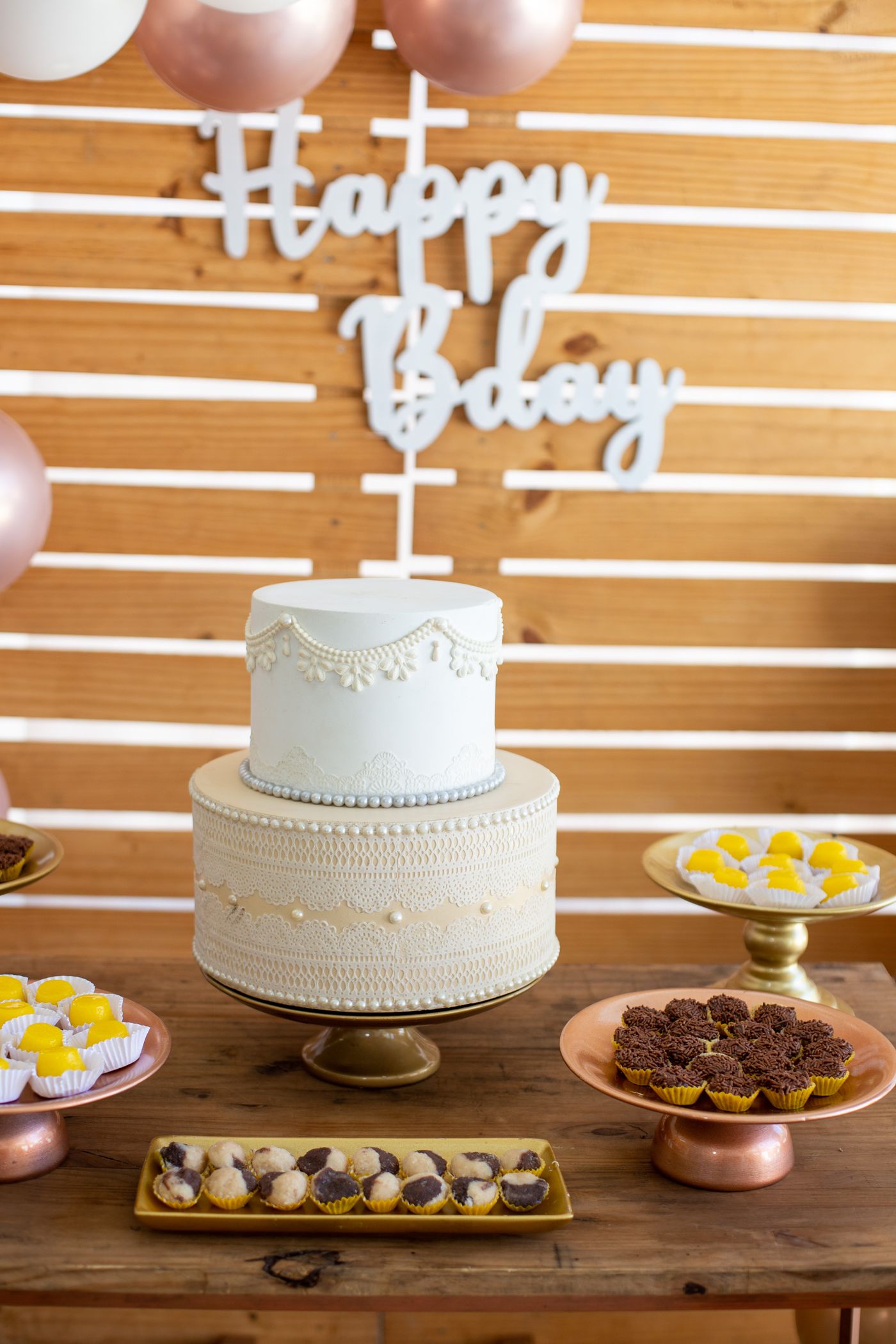
Arrange movement, seating and timing before choosing decorations.
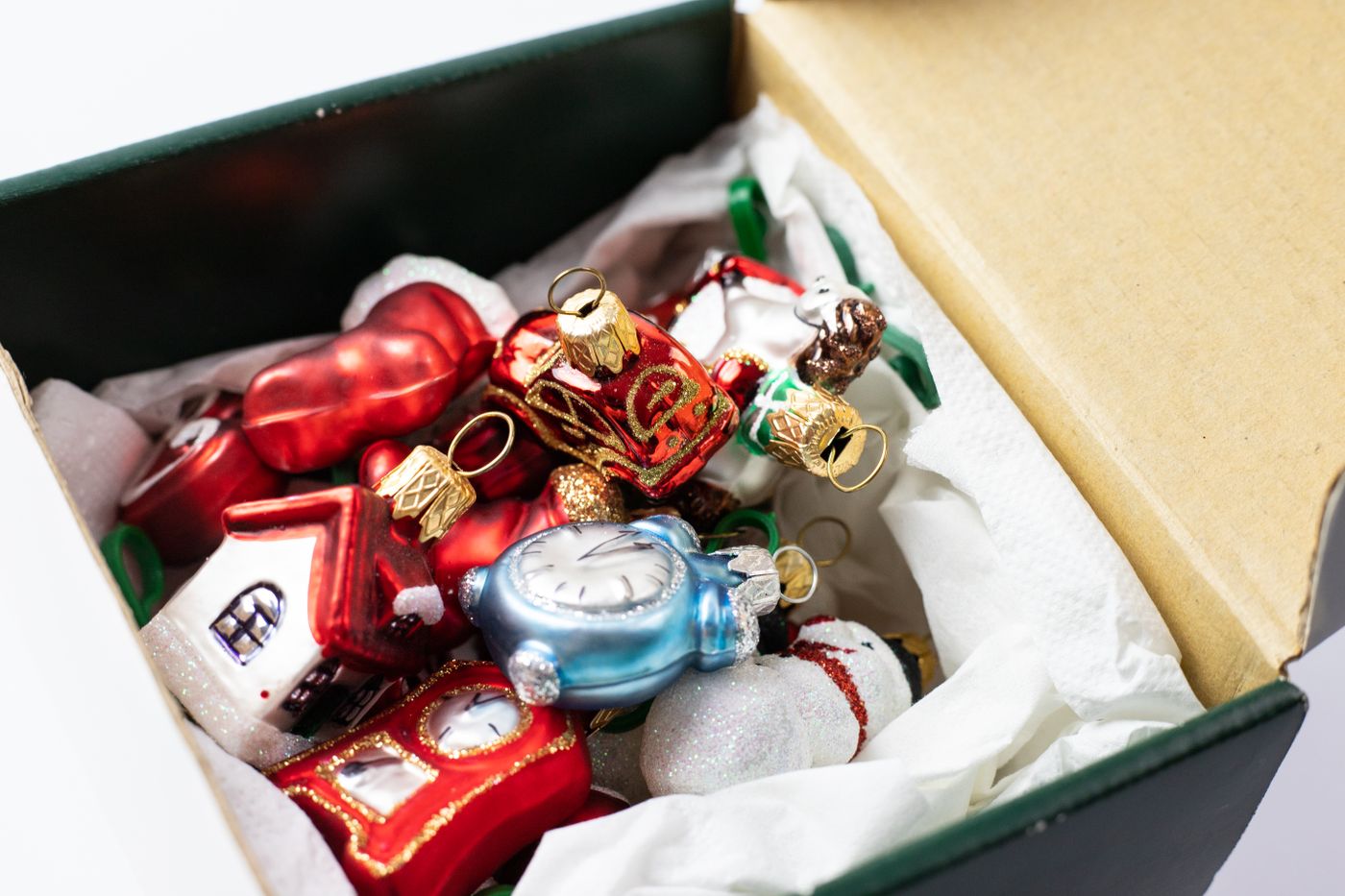
Keep a small collection that can be found, adapted and stored without mixing useful pieces with damaged ones.
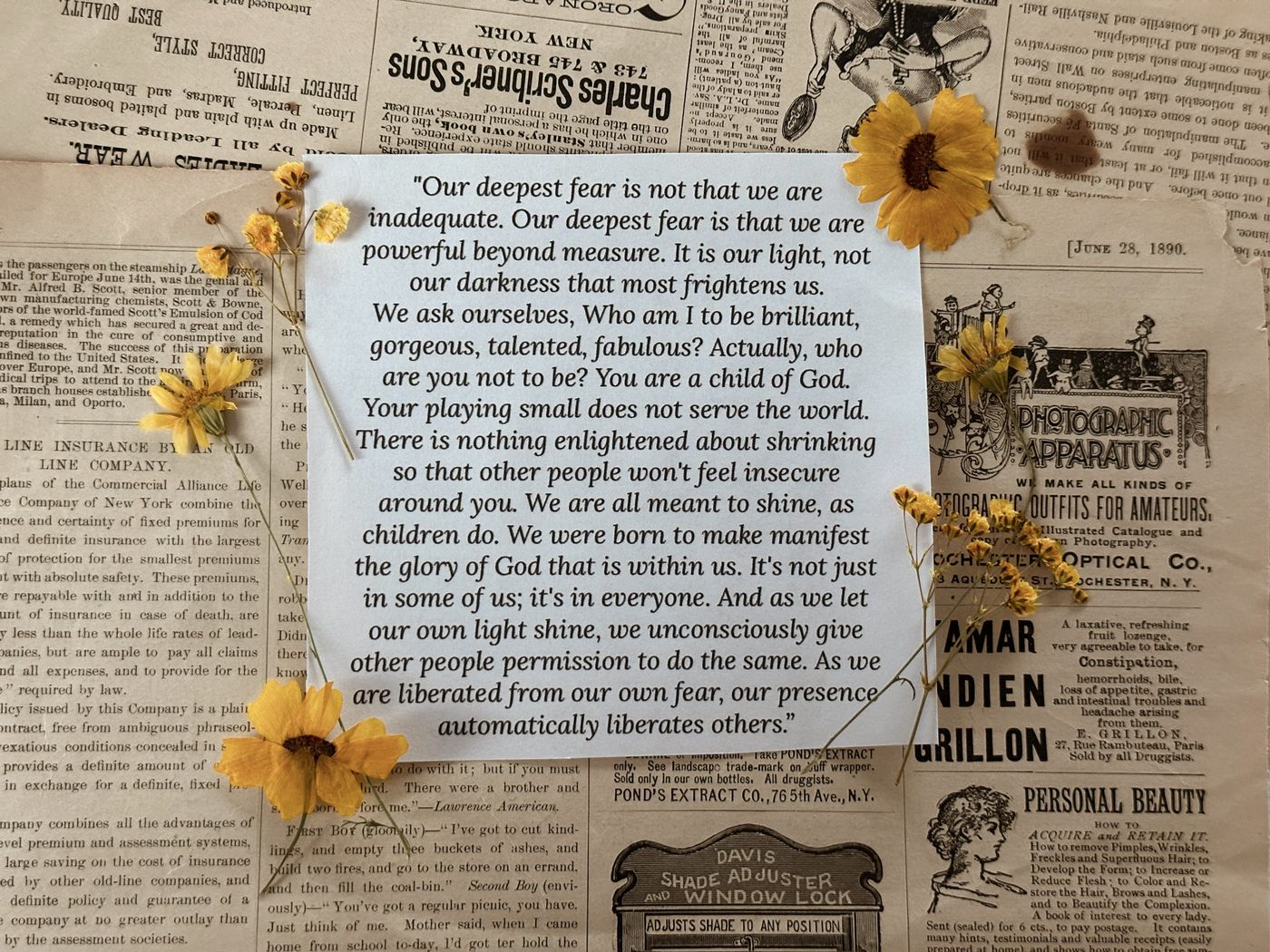
Choose permitted plant material, dry it completely and attach it to a backing that stays flat.

Choose a reading experience and one useful companion without filling a parcel with unnecessary objects.
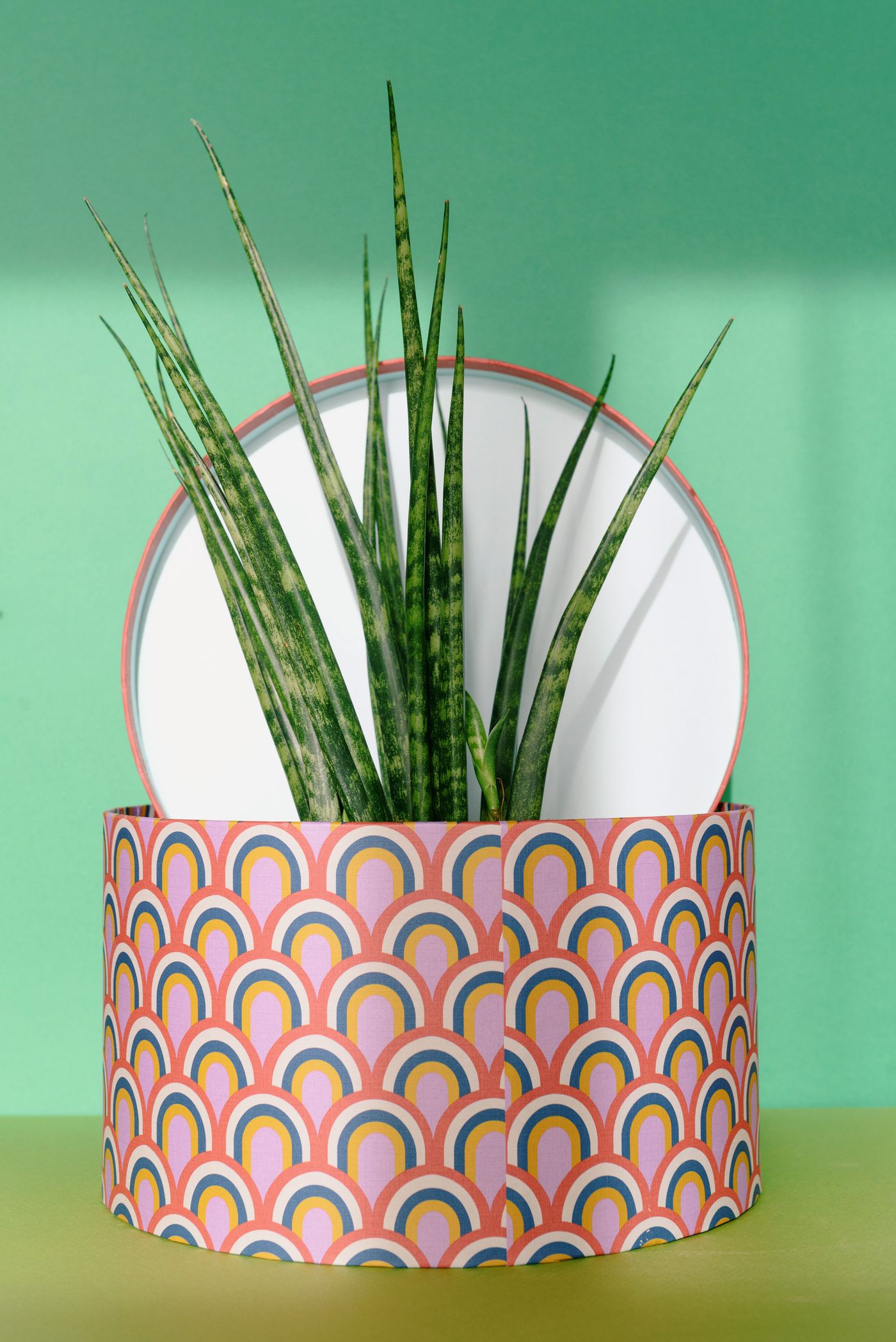
Match a living gift to the home and its occupants rather than only to the day's decoration.
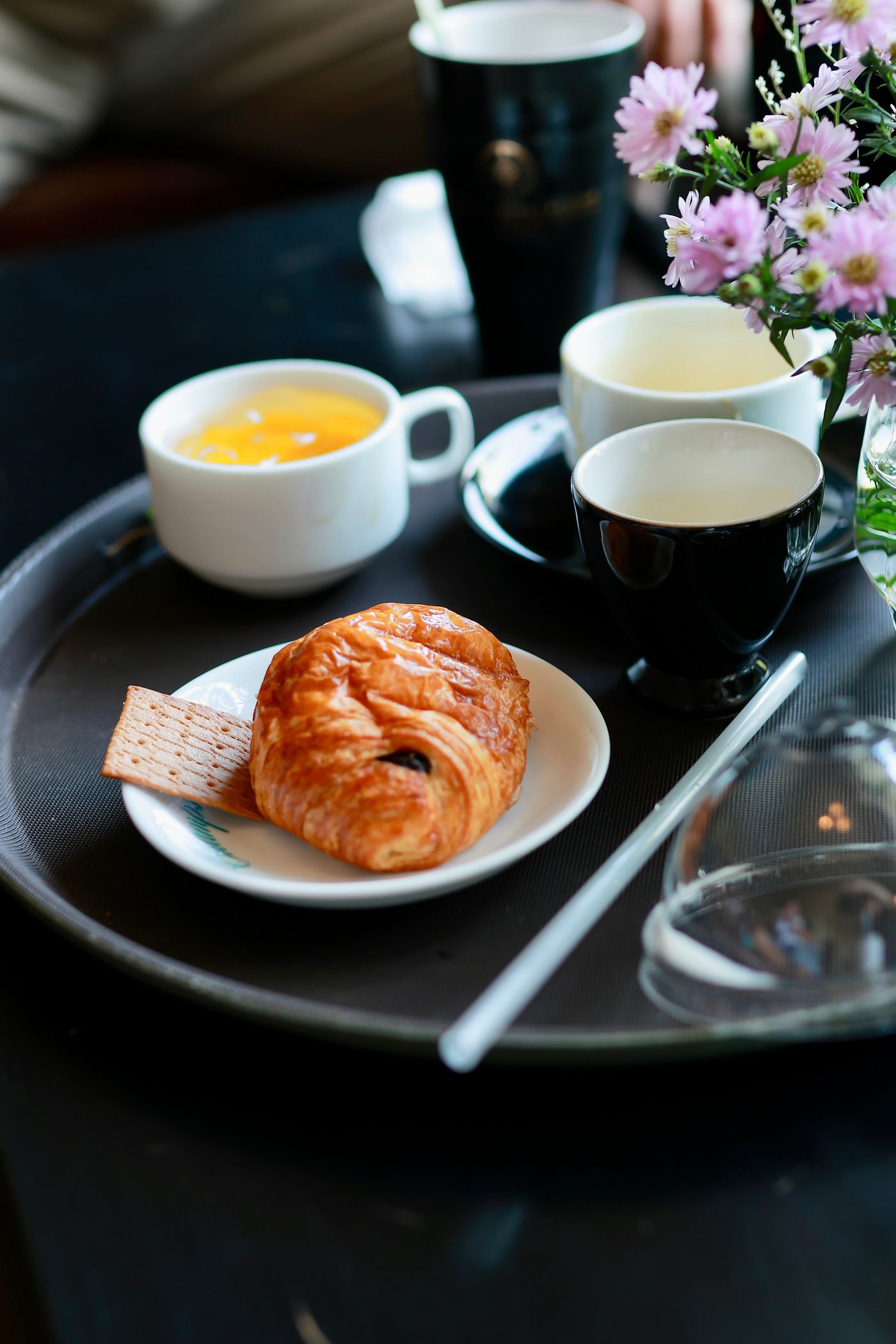
Choose food the person enjoys and a tray that can be carried without becoming overloaded.

Make accordion-style ornaments with one tested pattern and suitable tools.

Plan light, standing room and guests' agreement before building a backdrop.
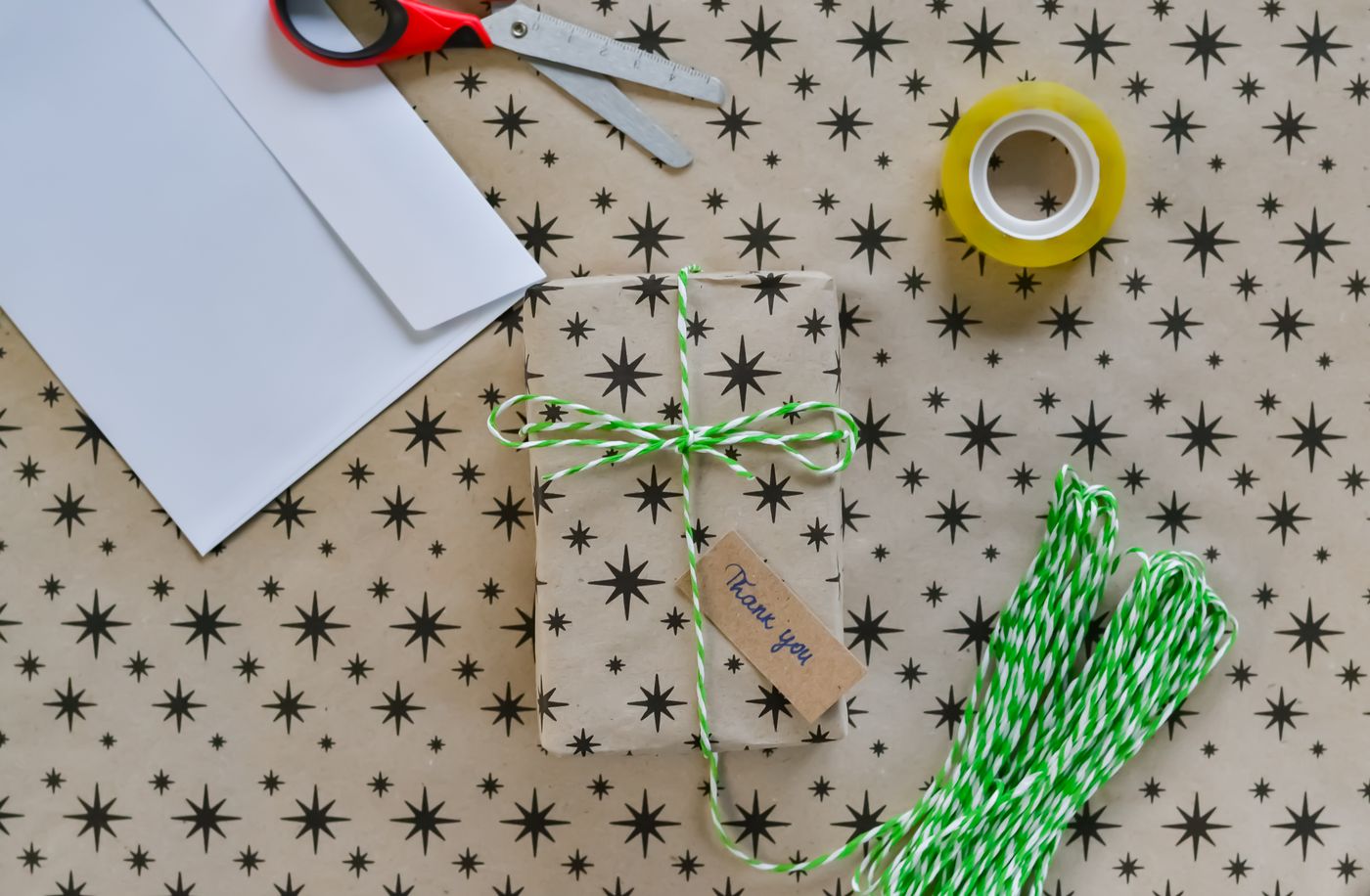
Name the gesture and its effect without turning several messages into interchangeable copies.
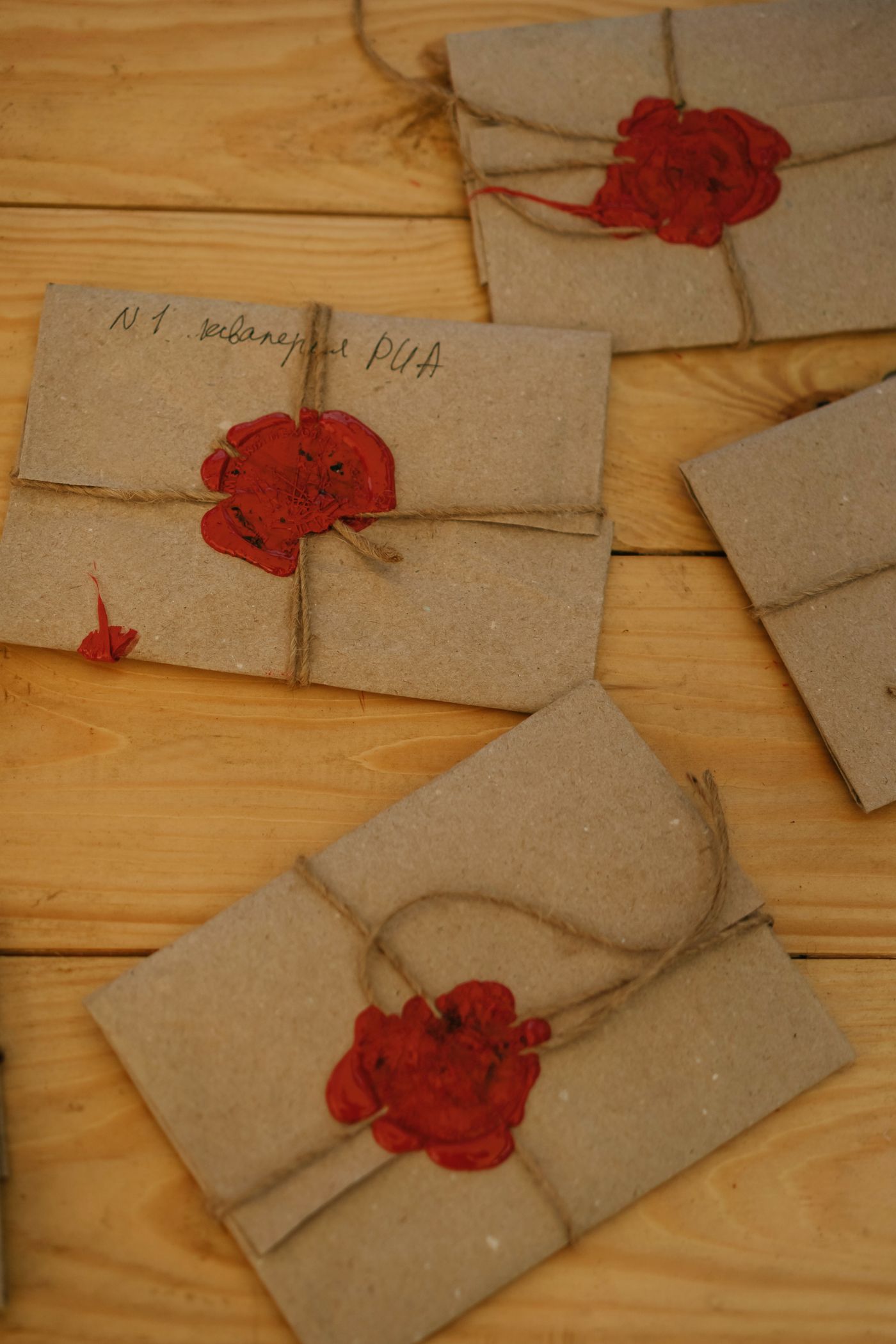
Fill envelopes with realistic, adaptable ideas that fit busy days rather than creating another daily obligation.

Make routes and faces visible before concentrating on decorative effects.
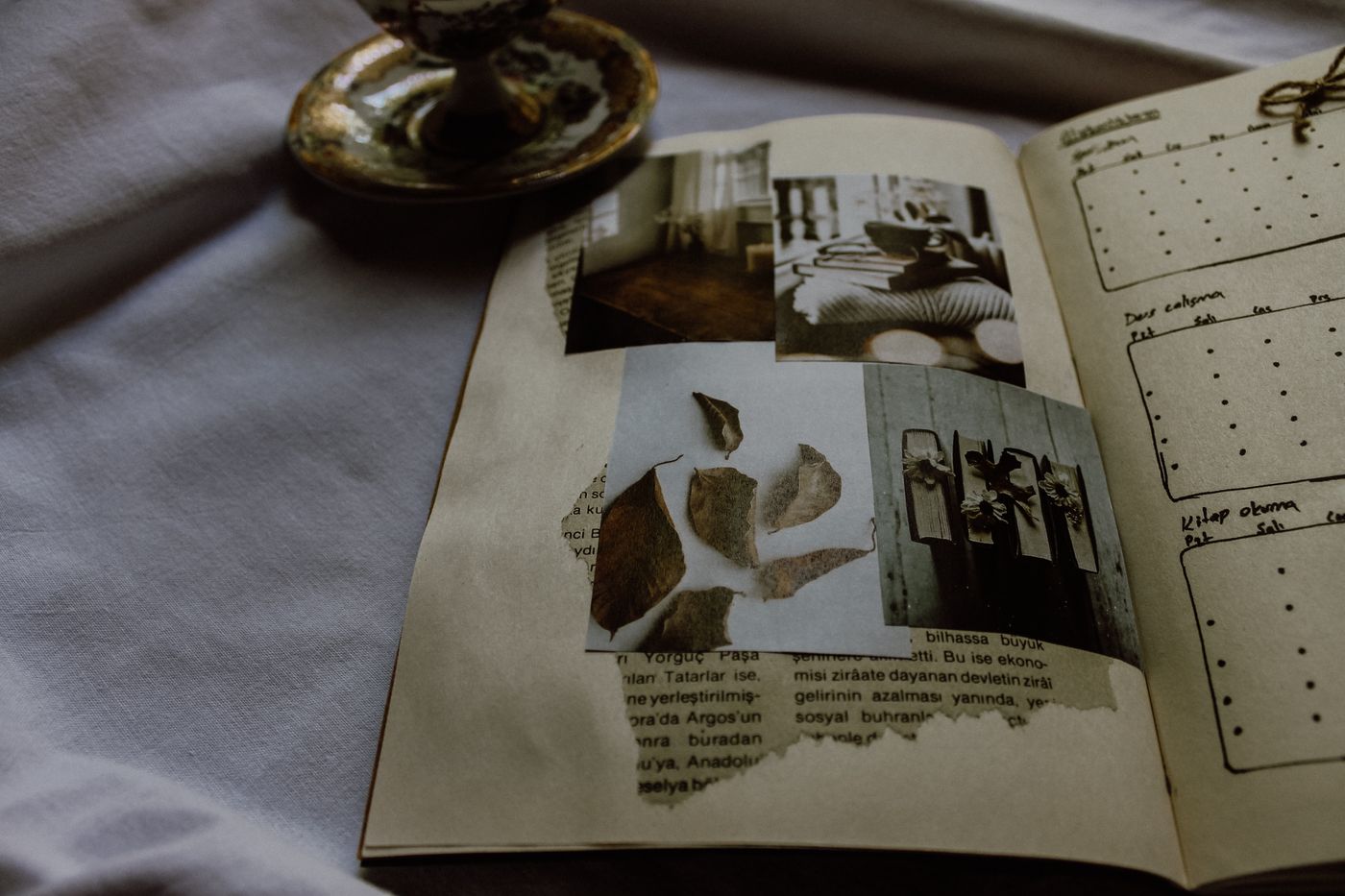
Keep selected details without ranking your year or documenting every month.
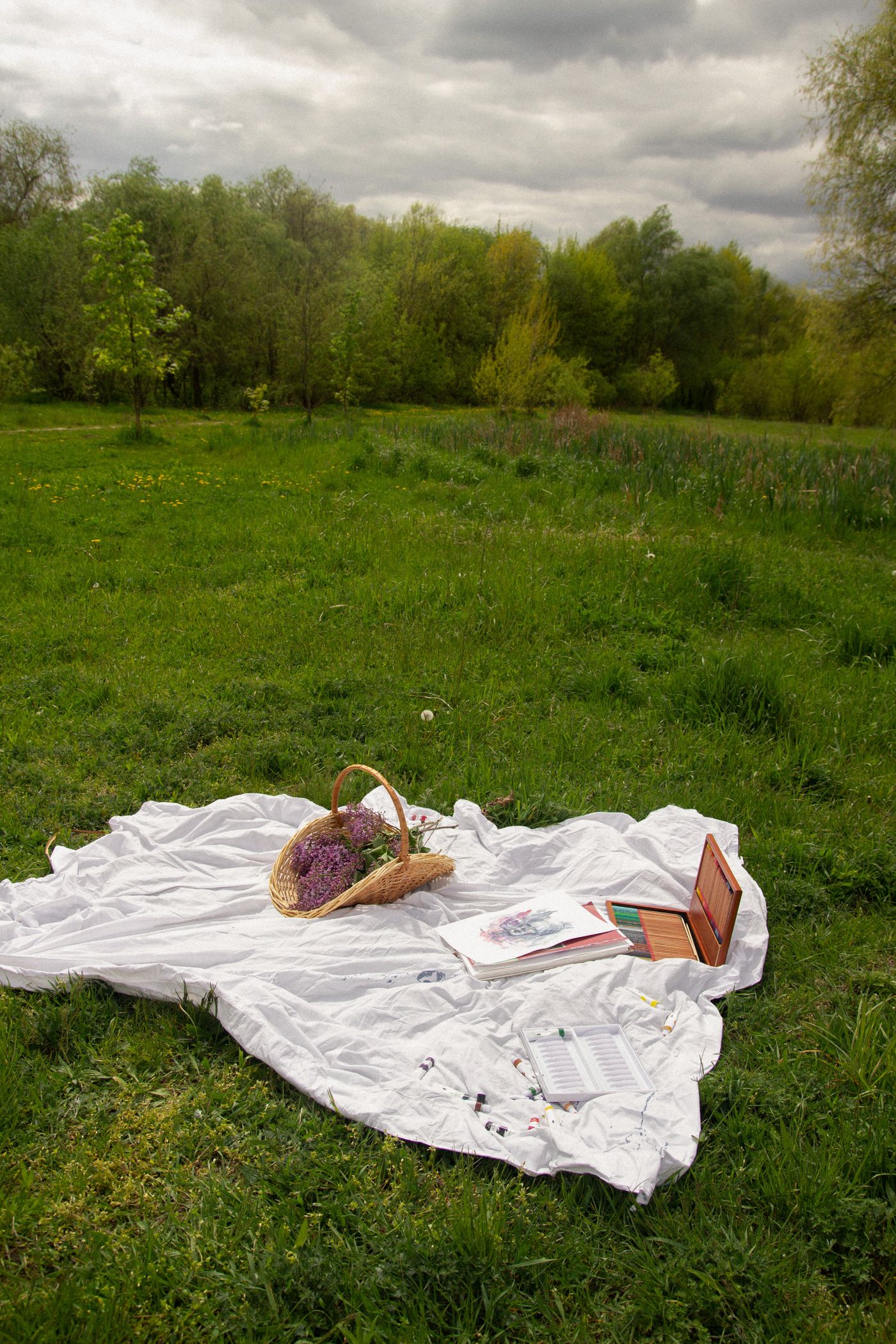
Plan a shared occasion with an accessible place, transportable food and an alternative for changing weather.
No articles found. Try another word or choose a different category.