Time together
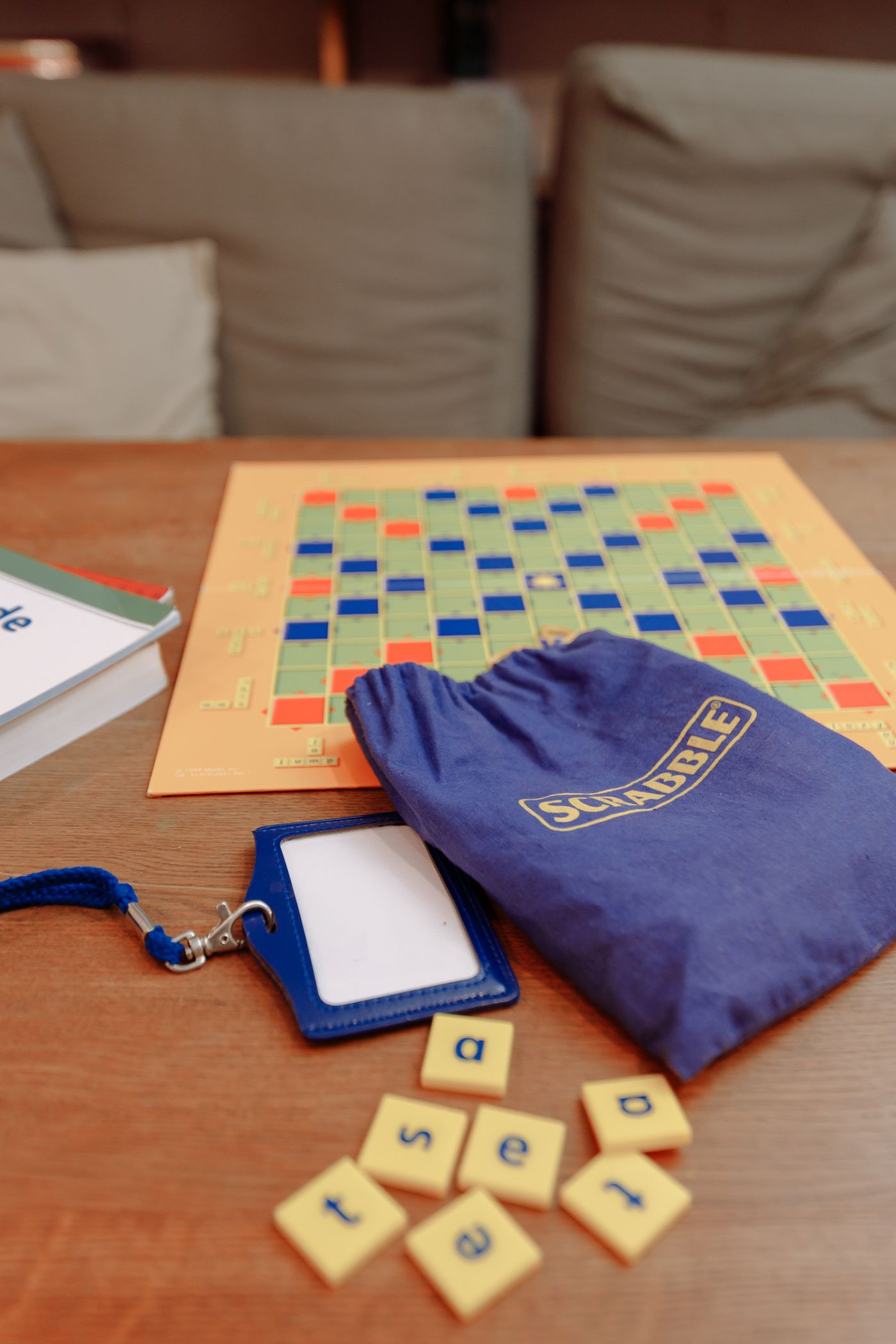
Host a games night around a small table
Match the game, explanation and available space to the people who will actually be playing.
Games, conversations and activities to share with friends and family.
Match the game, explanation and available space to the people who will actually be playing.
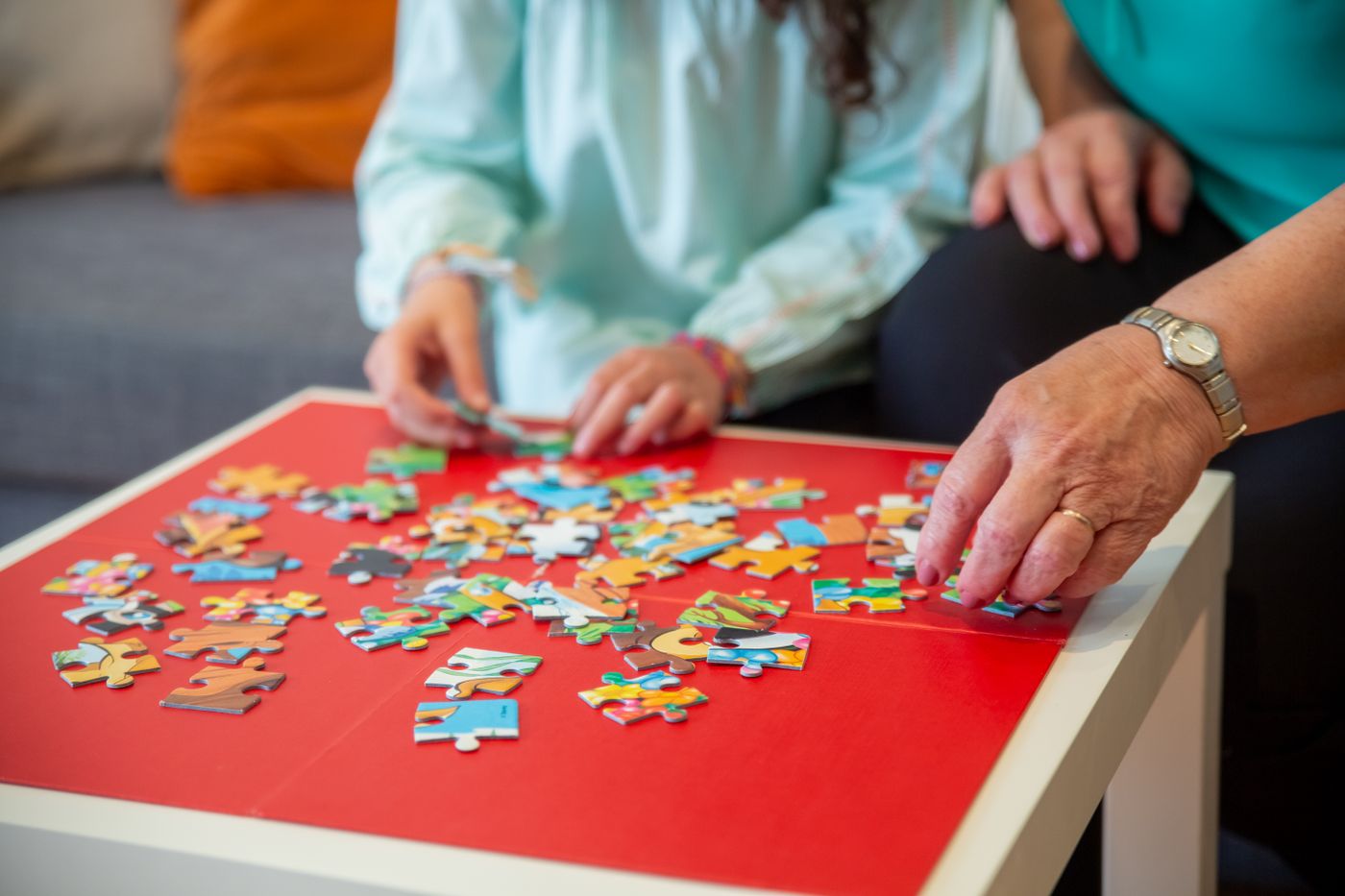
Arrange pieces and places so everyone can contribute without one person taking over.
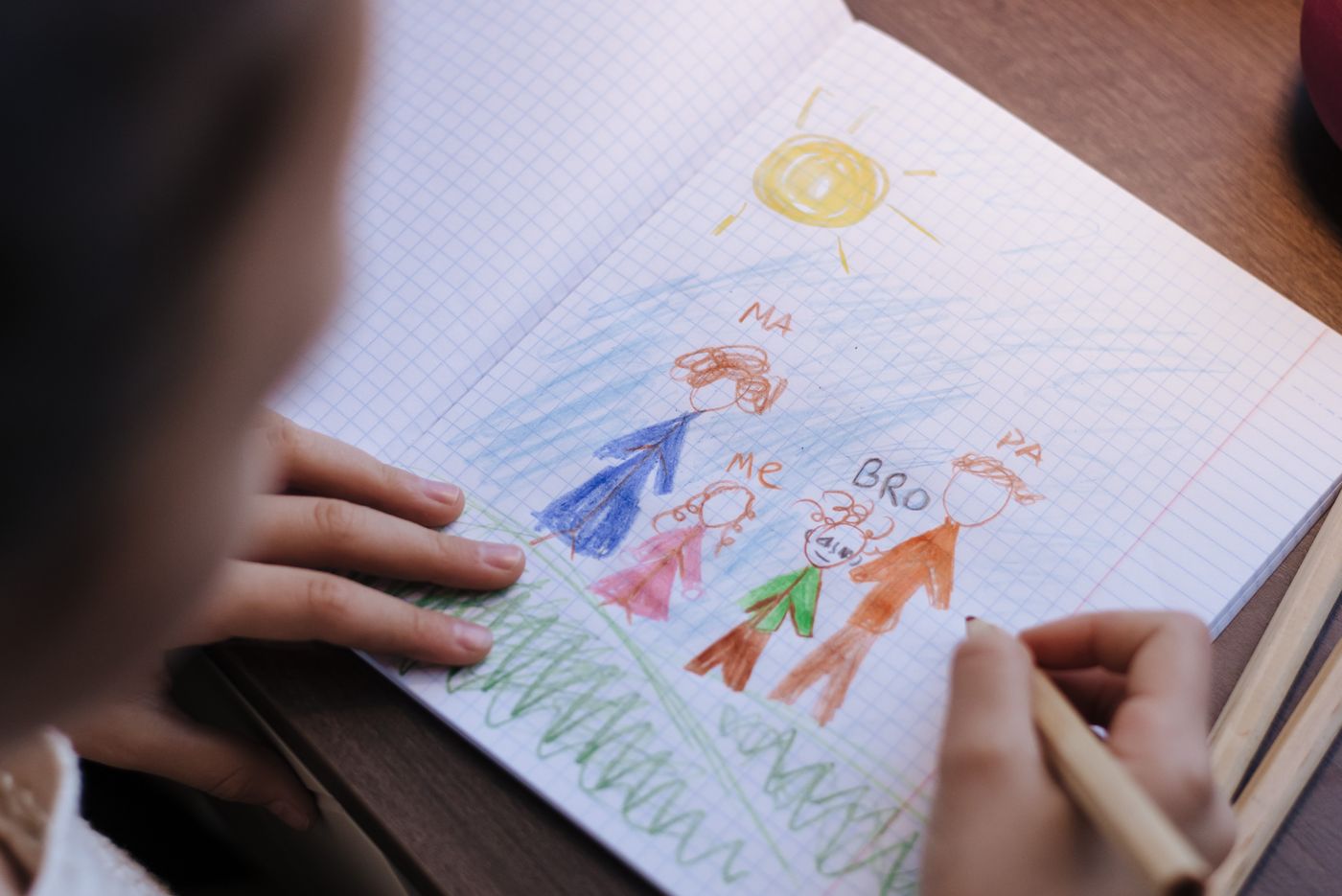
Pass sheets around to make shared pictures without judging drawing ability.

Make the difference between giving and lending clear, and decide what happens to unchosen books.

Share a few tracks and the details that interest you without turning taste into a competition.
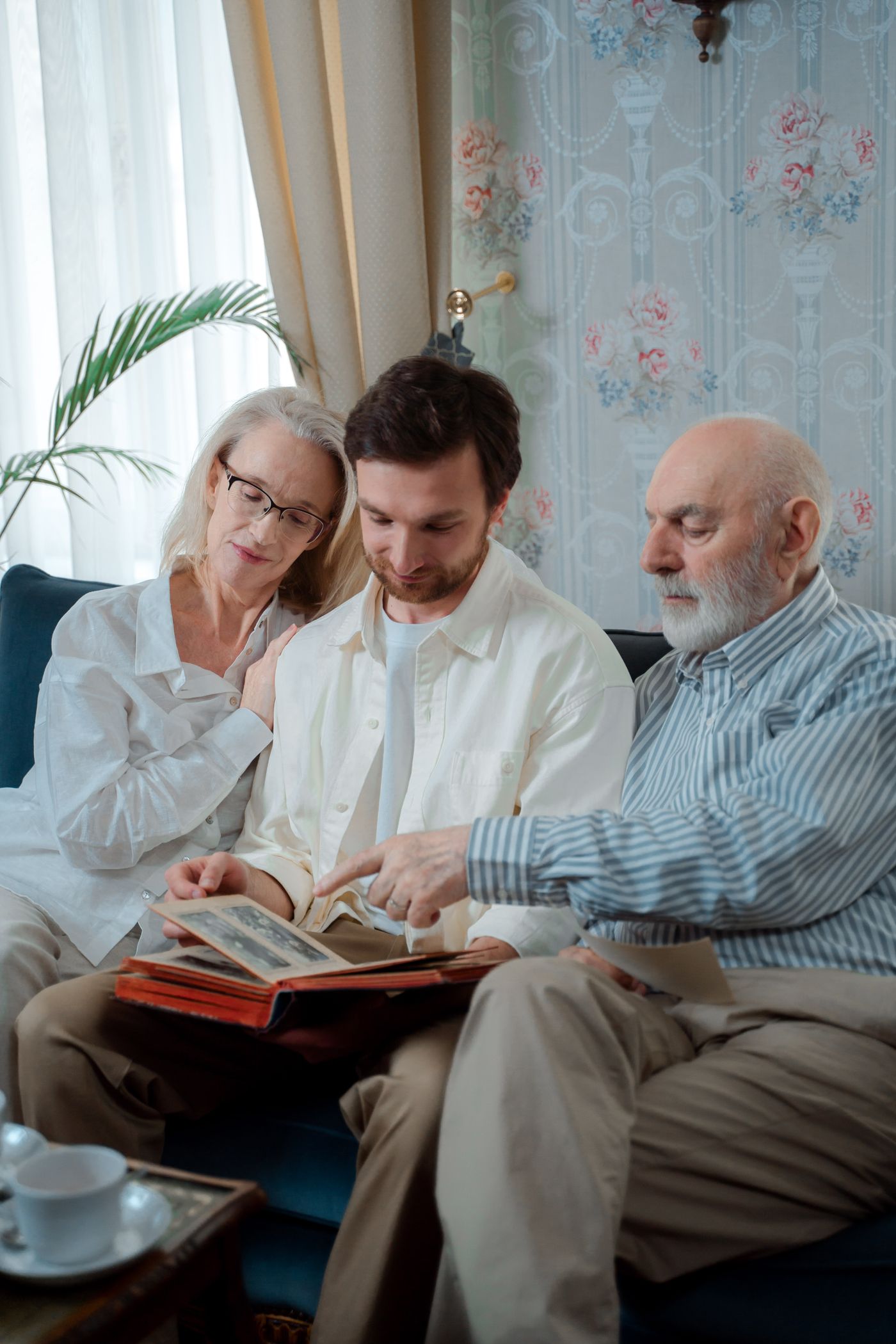
Agree on pictures, captions and who can see them before printing or sharing the finished pages.

Write from your neighbourhood or kitchen table instead of waiting for a remarkable holiday.
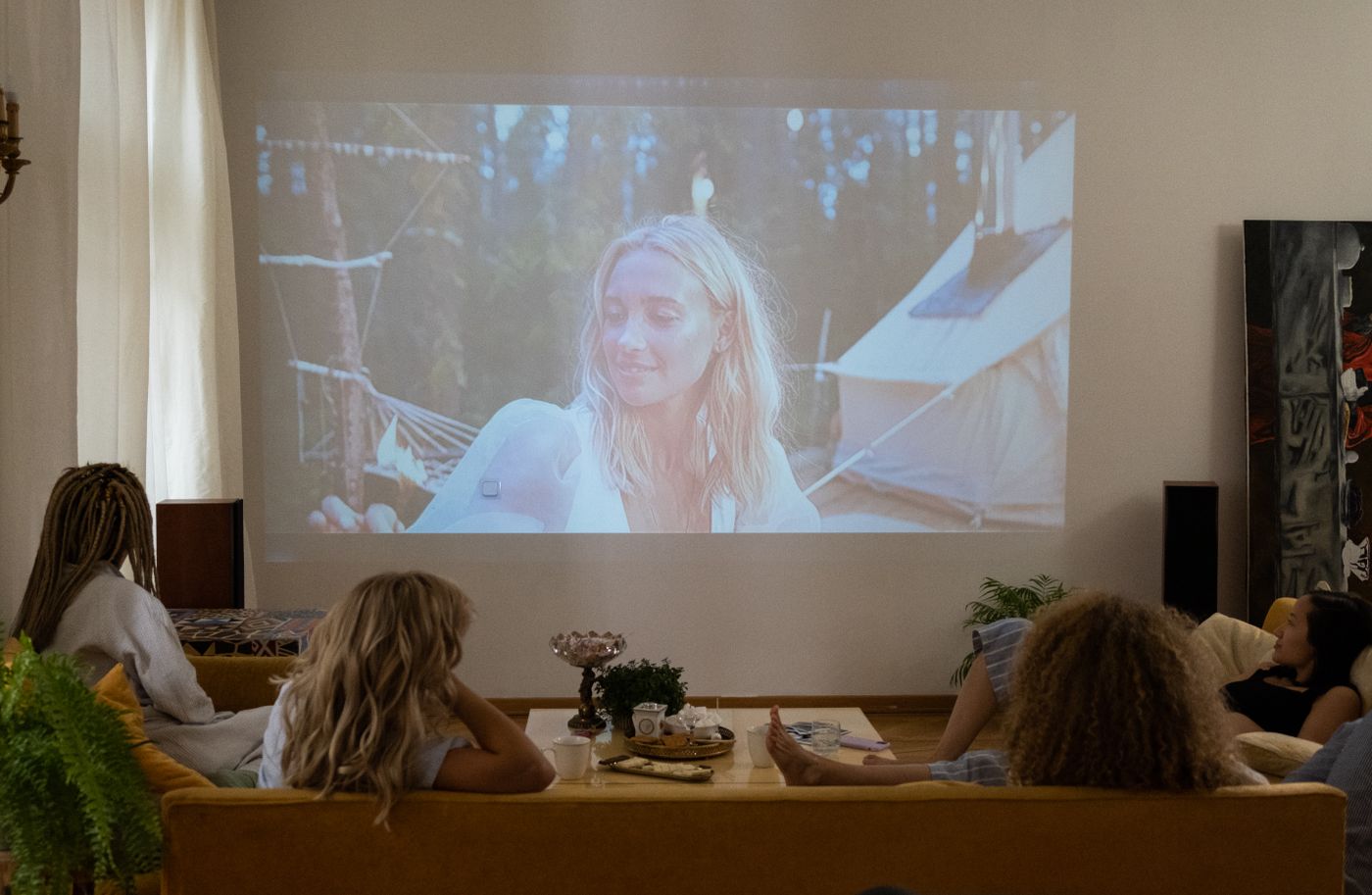
Think about the film, sound and people as carefully as the screen.
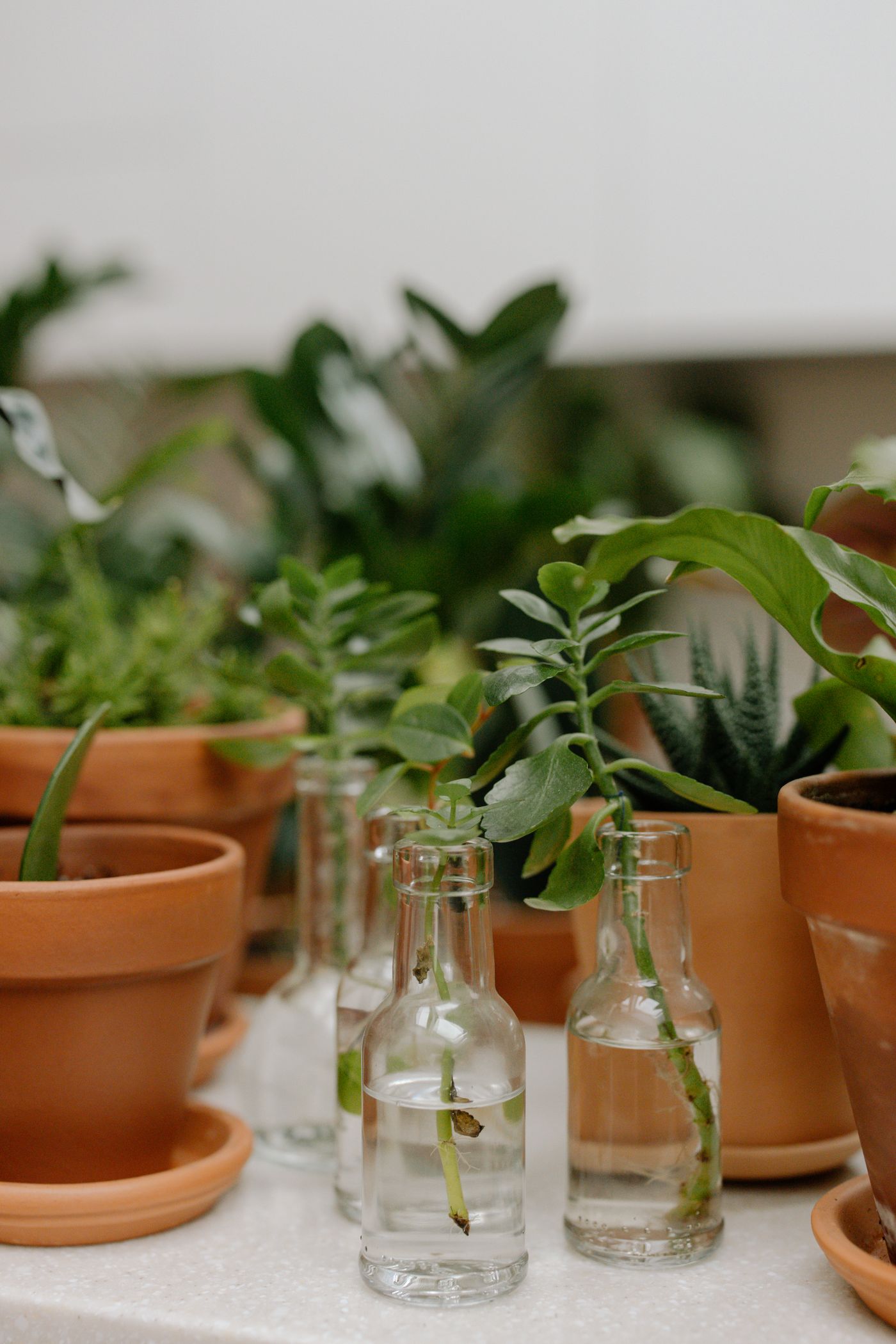
Share identified plants, useful care details and the freedom not to take one.
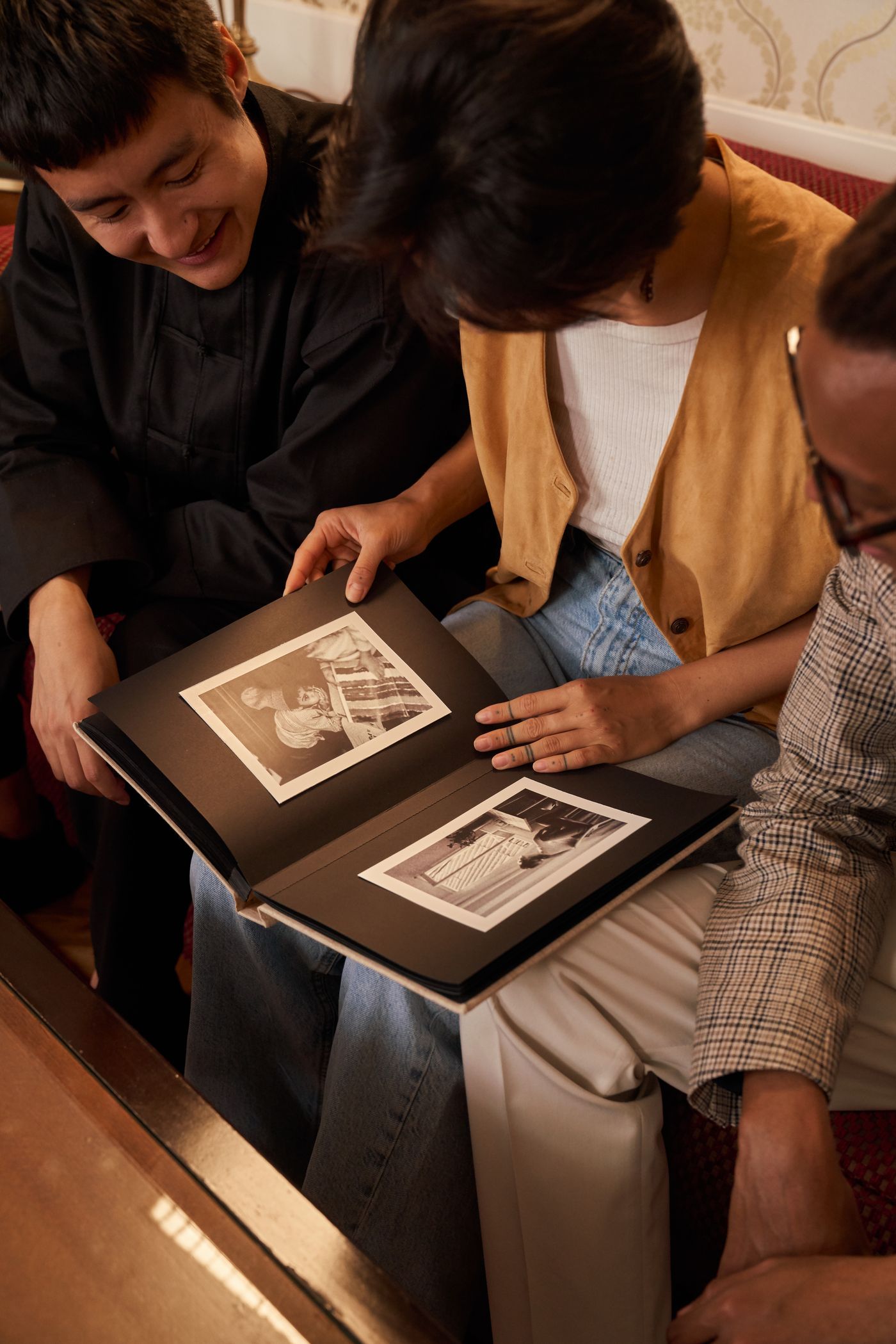
Ask open questions and preserve a story on terms agreed by the person telling it.
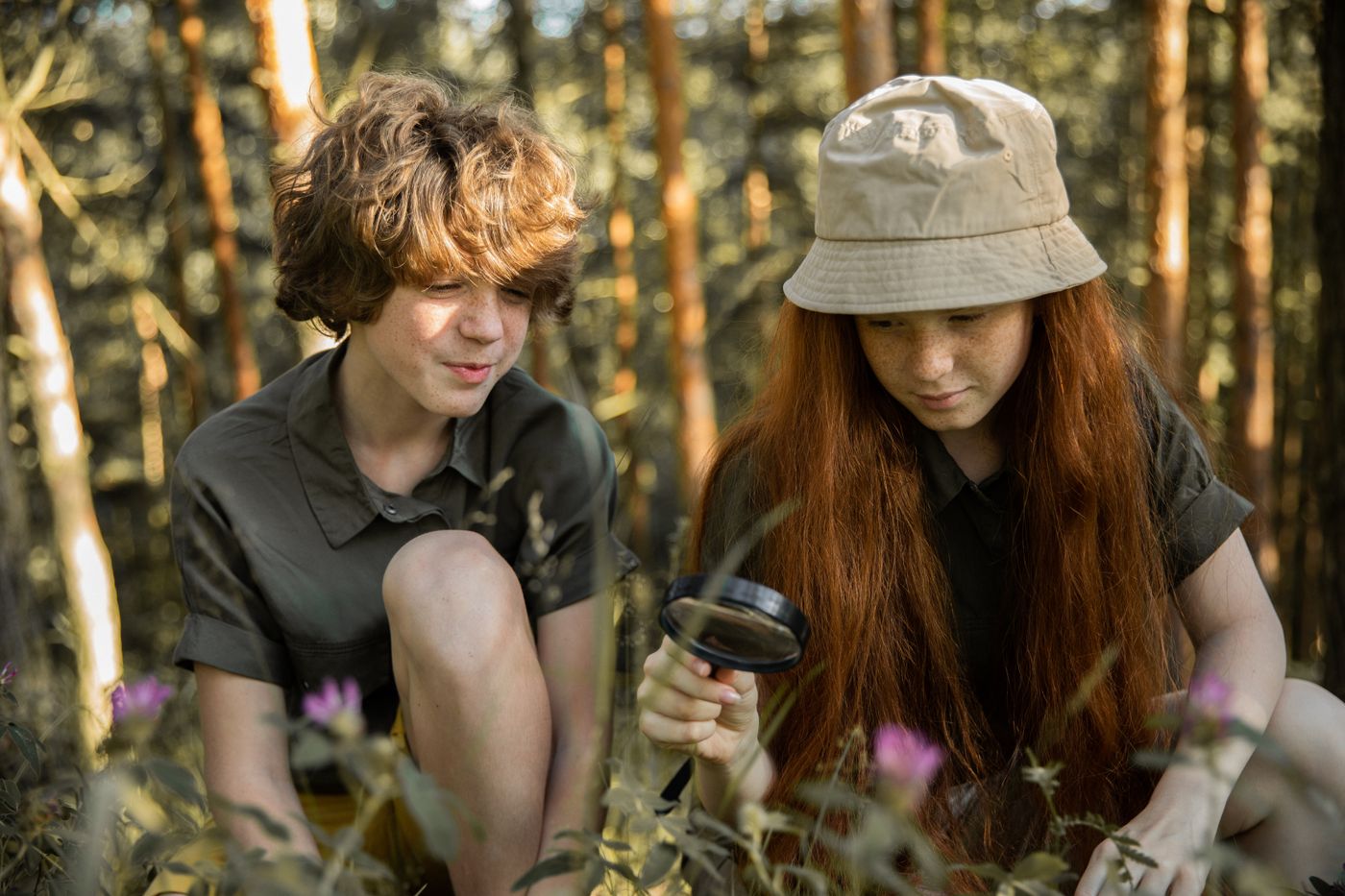
Look for shapes, textures and colours together without collecting objects or ranking participants.

Fold, test and change one detail at a time to compare how the planes move.
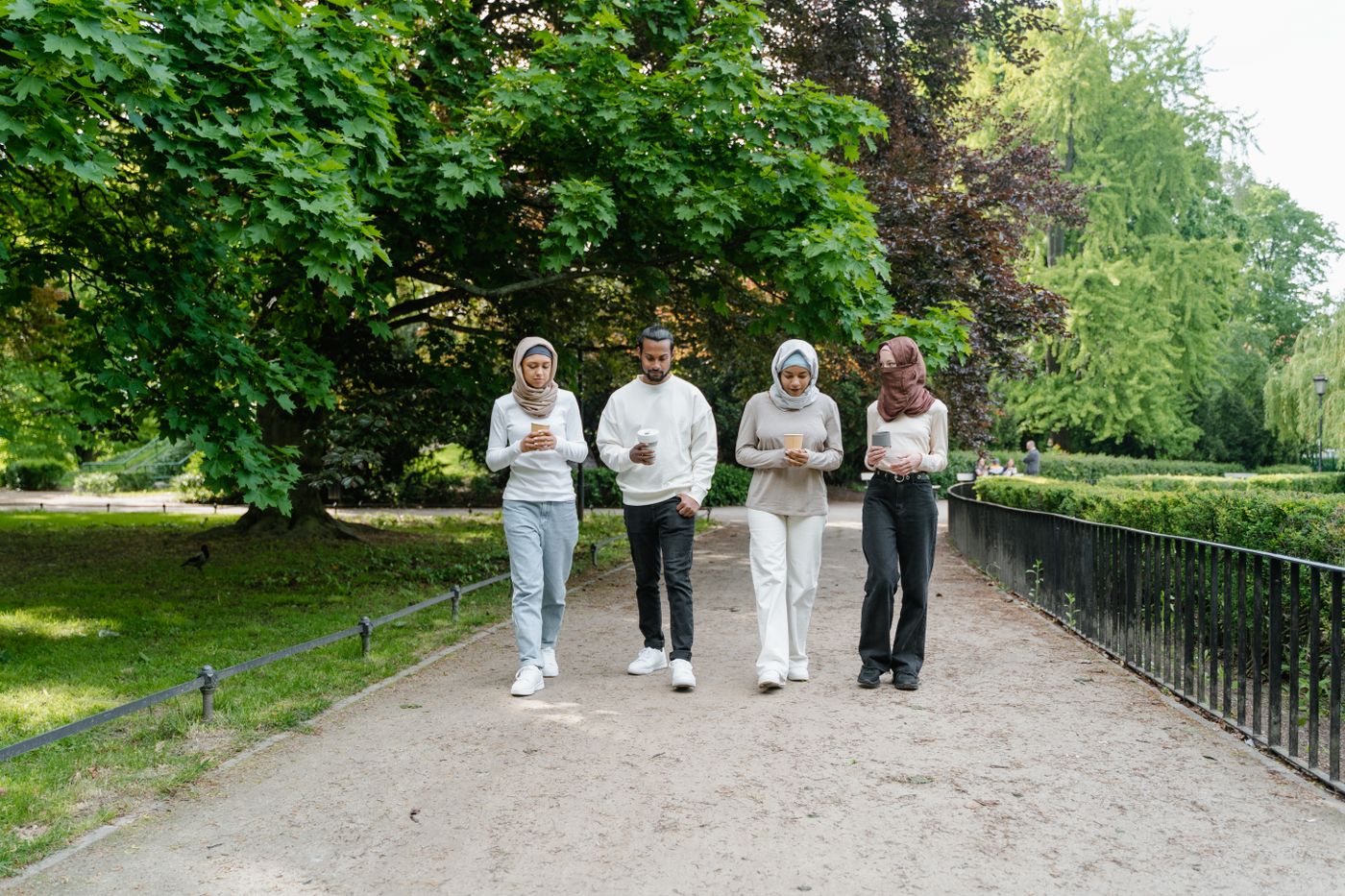
Choose a distance and pace that leave room for conversation.
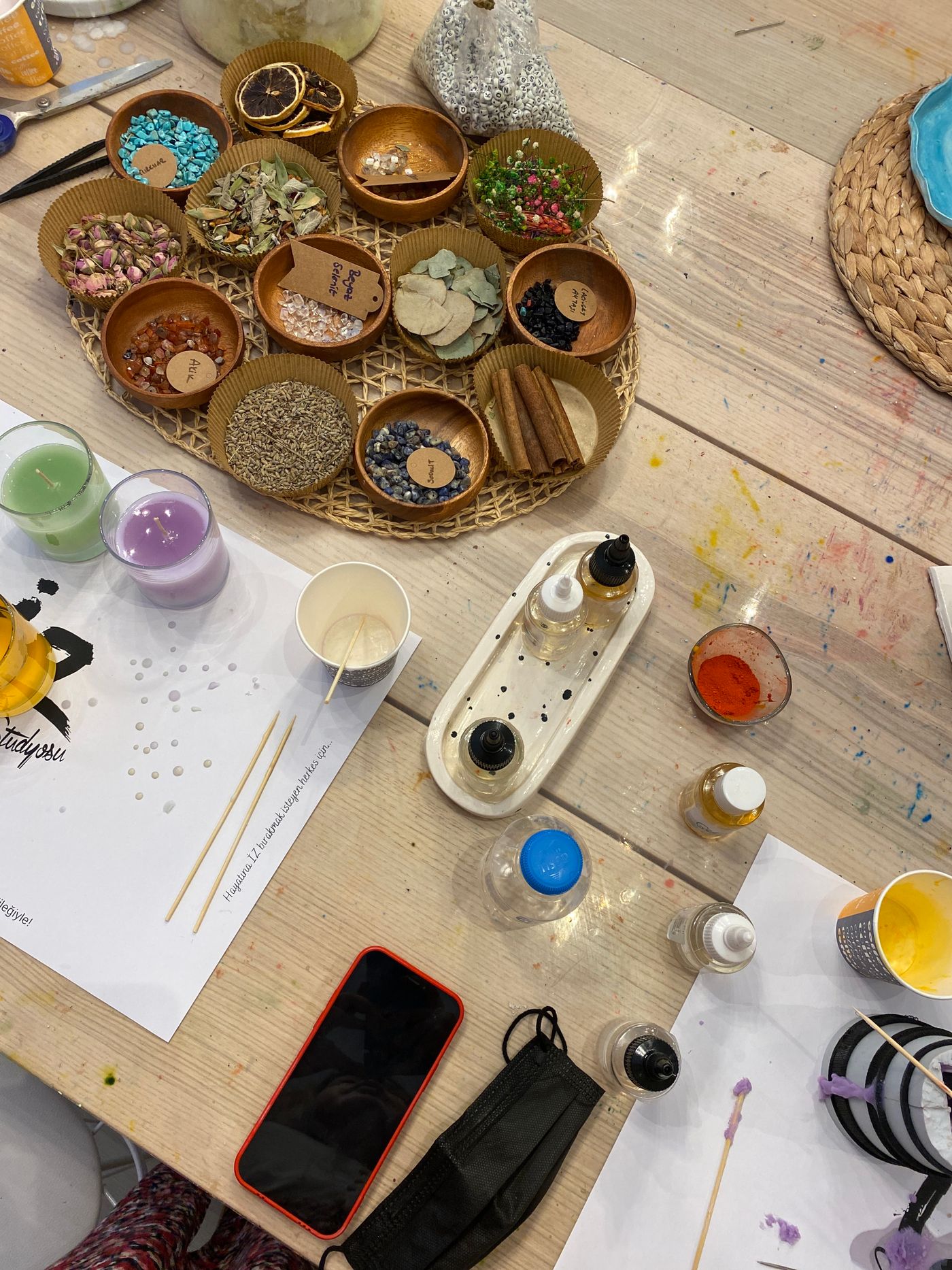
Offer a few materials without expecting everyone to produce the same object.
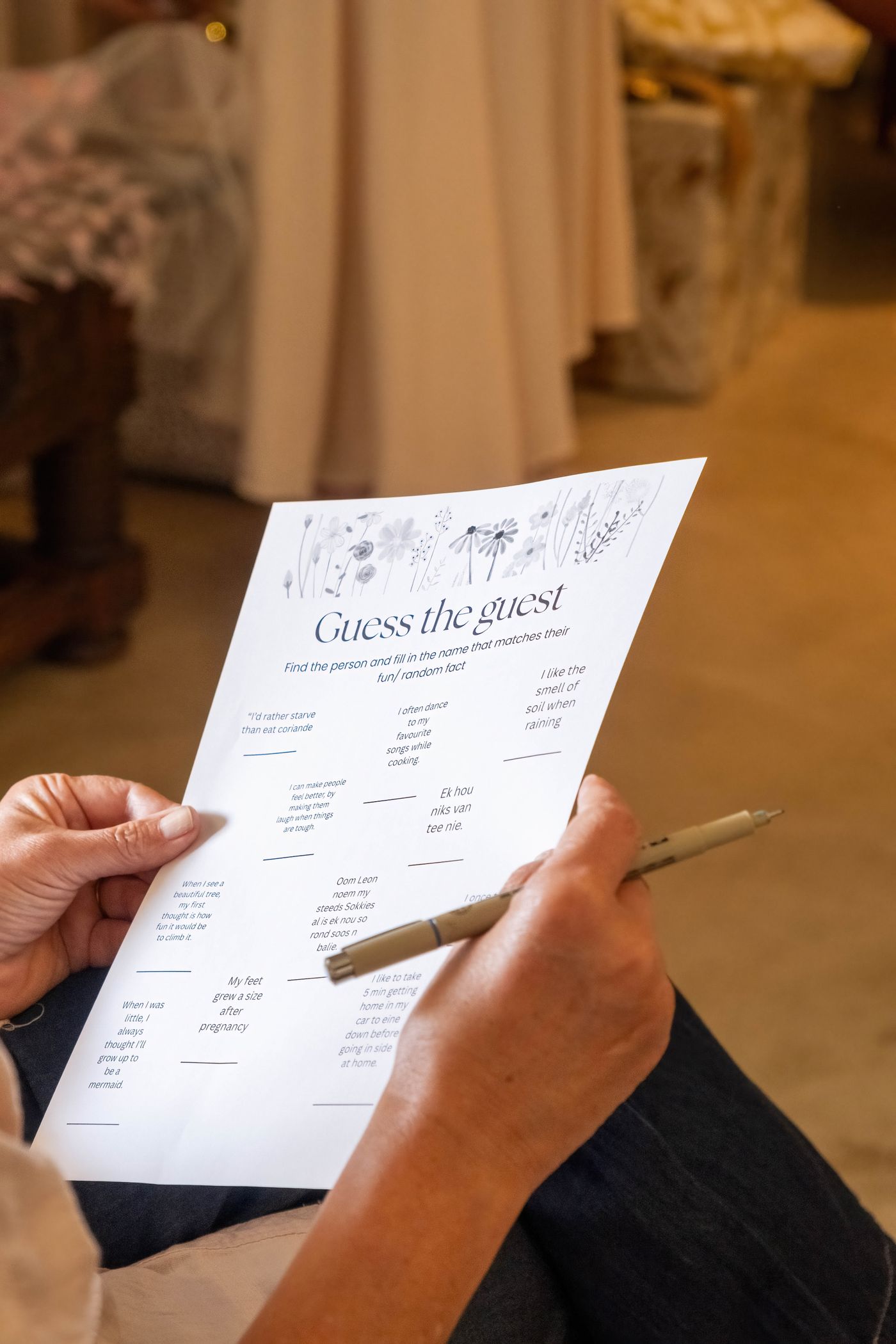
Vary subjects and ways of answering so the same knowledge does not dominate every round.
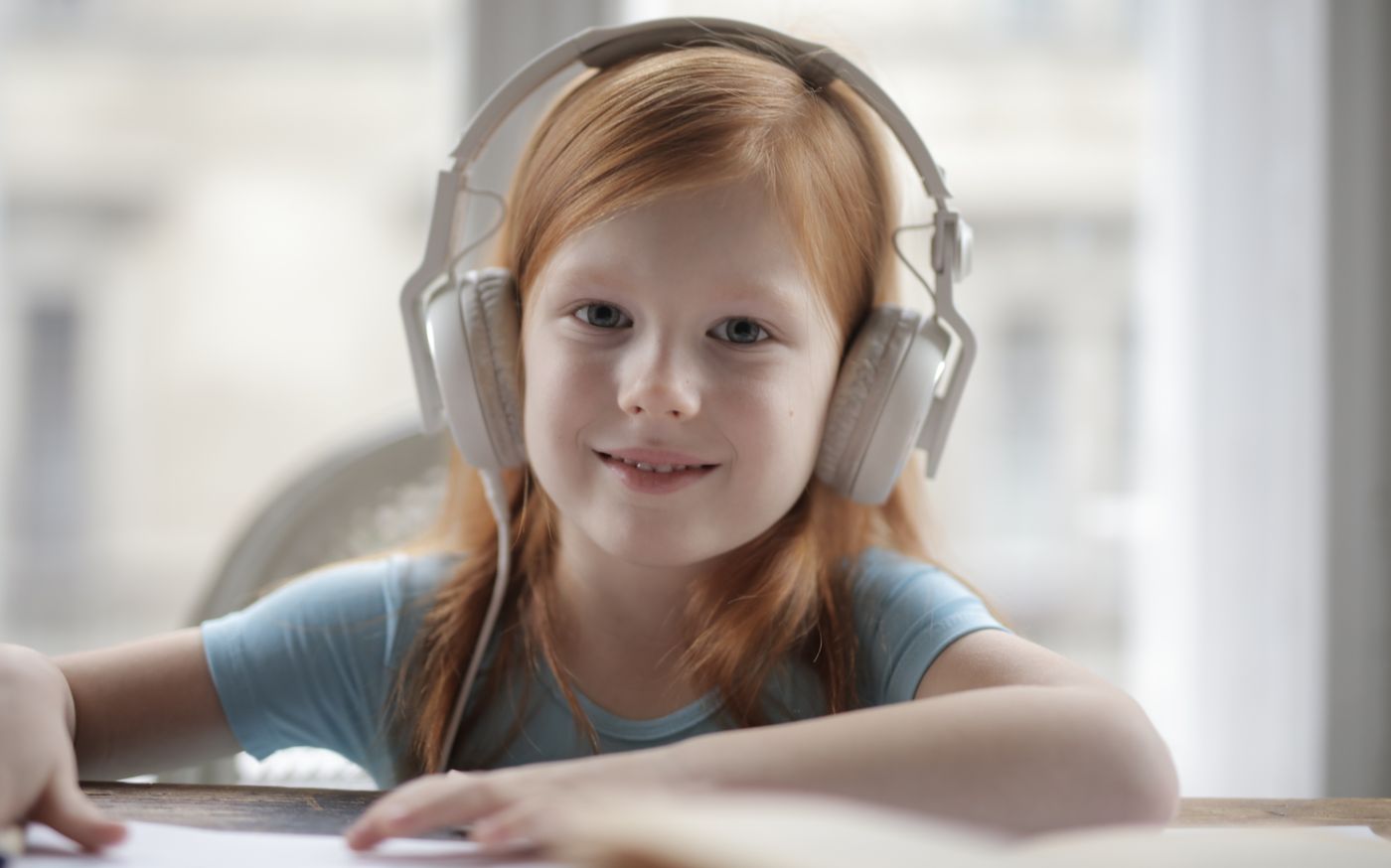
Agree on a listening context and a contribution rule before adding dozens of tracks.

Separate common commitments from personal task lists and agree how changes will be communicated.
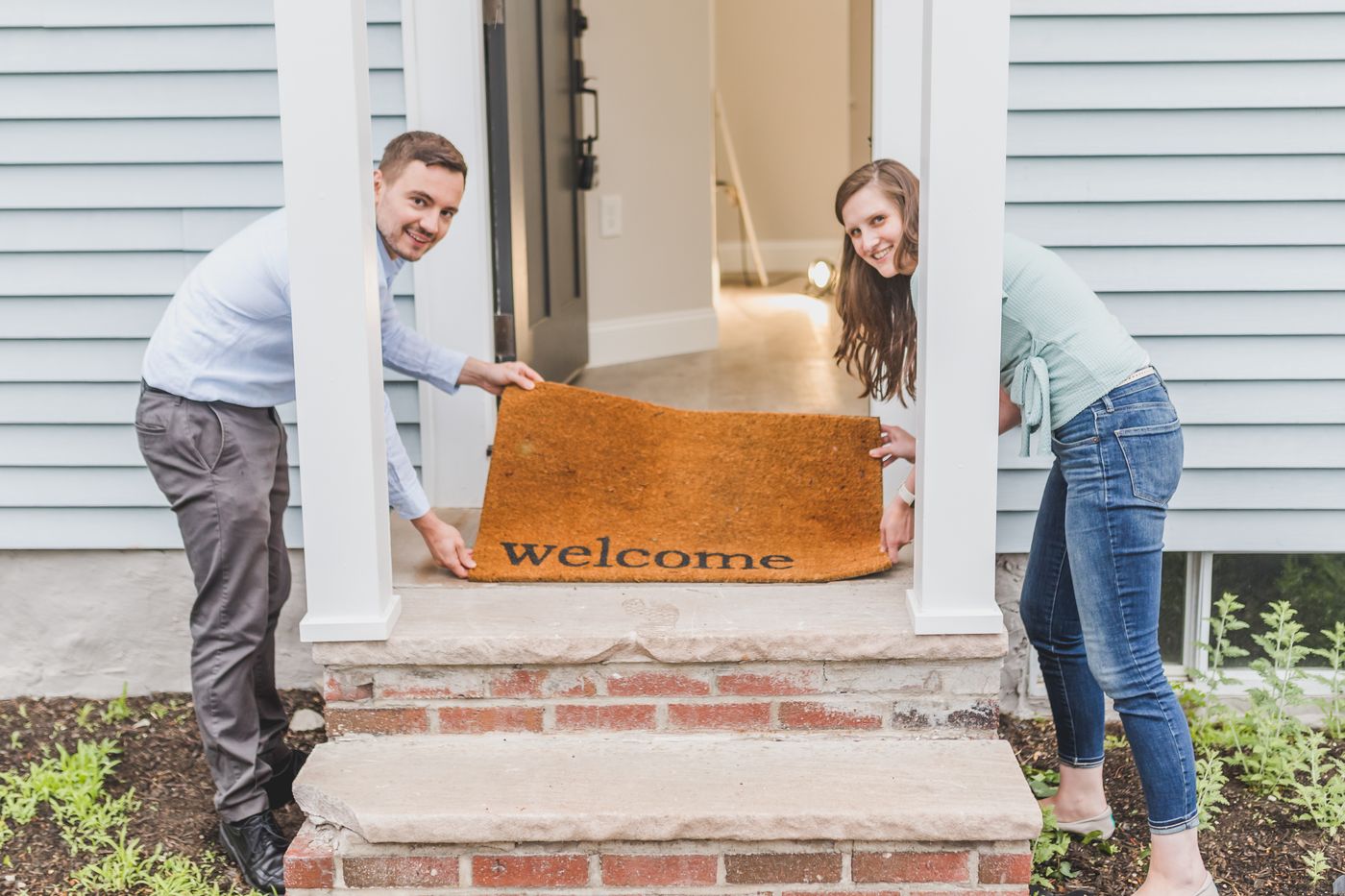
Offer a contact and a few useful references without expecting an immediate friendship.
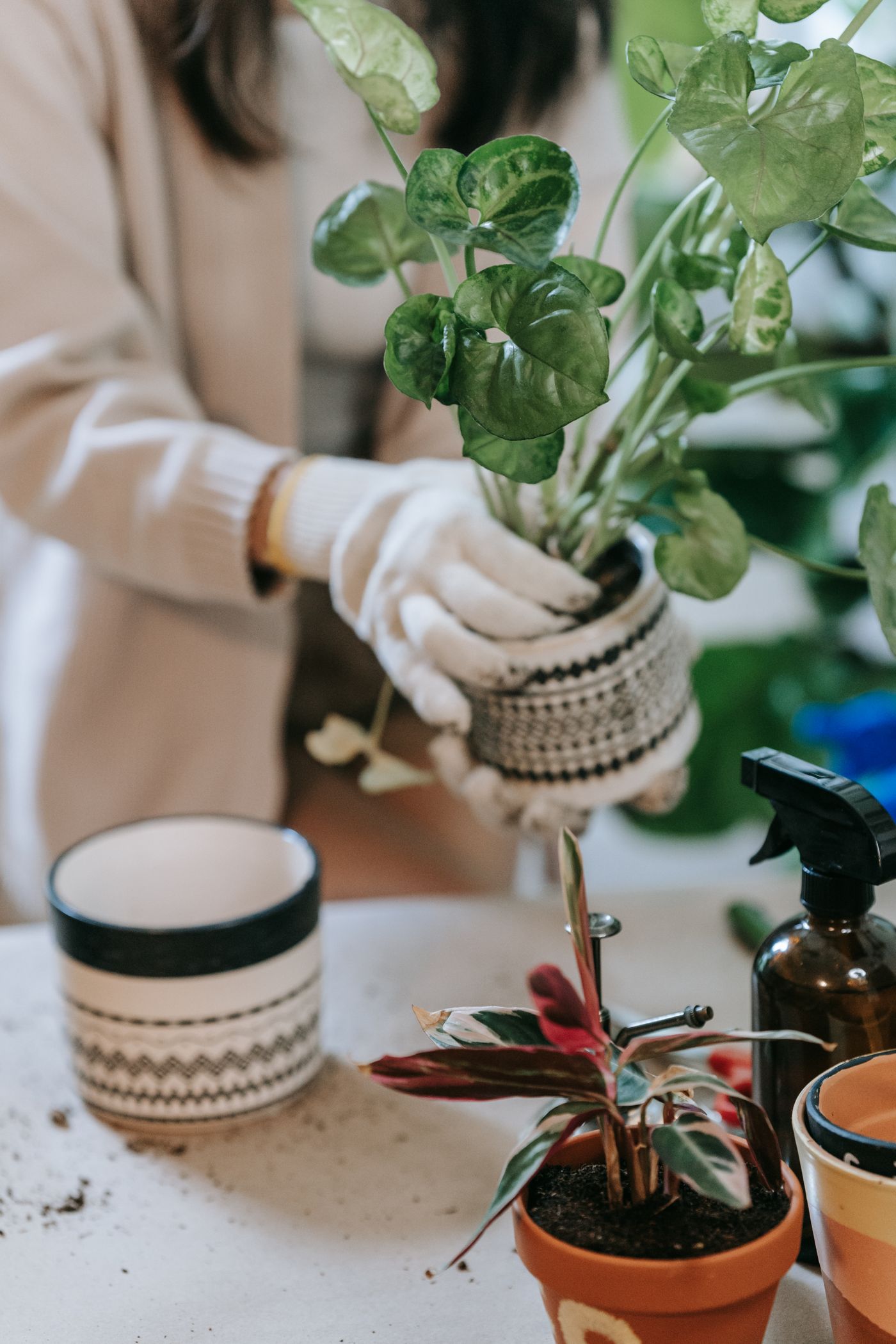
Agree on planting tasks and ongoing care before filling a shared outdoor space.
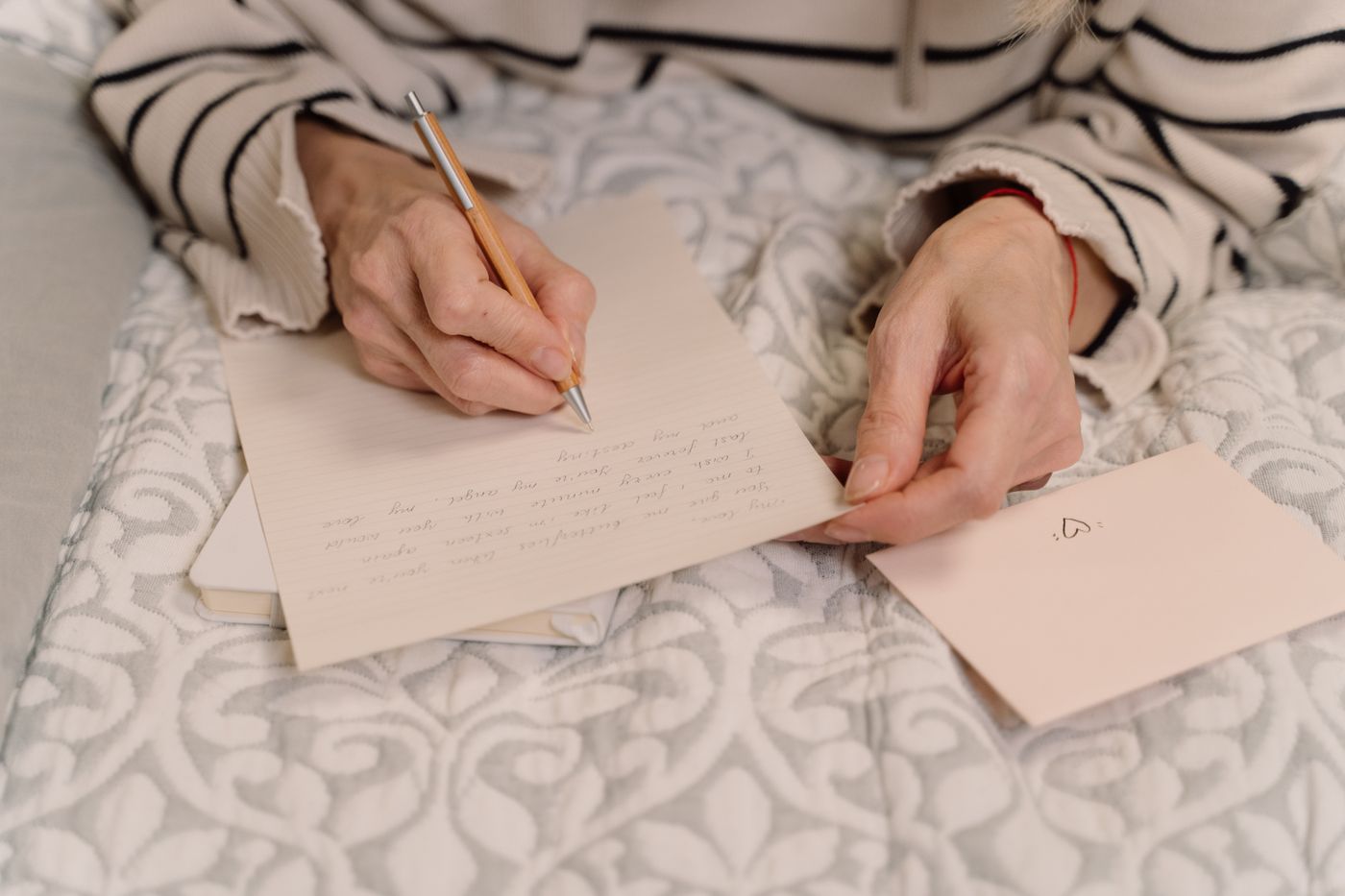
Share materials and company while keeping each person's correspondence private.
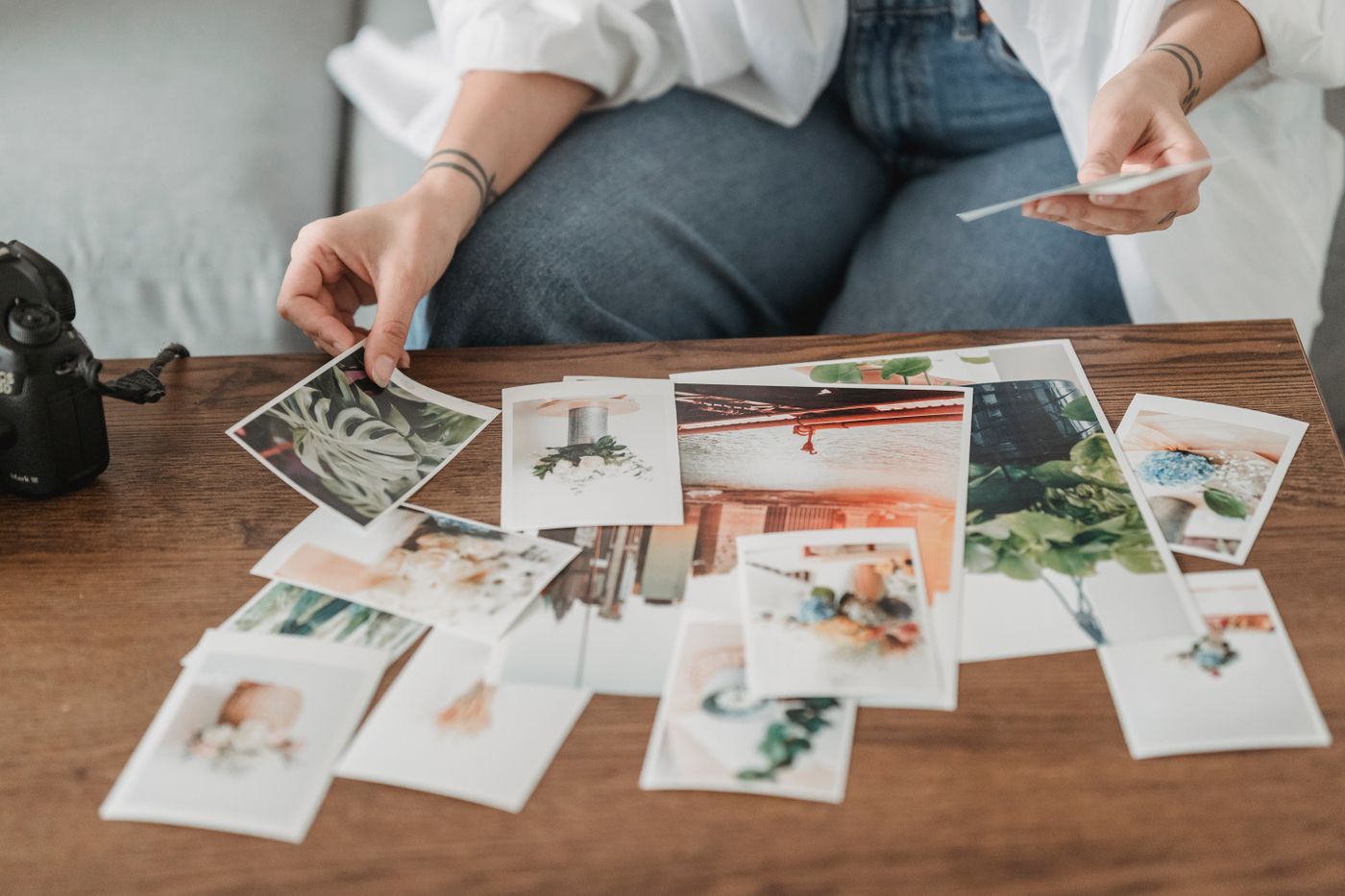
Work in limited batches, protect originals and separate filing choices from personal memories.