A narrow entrance must first let you walk through, open doors and carry a bag without hitting furniture. Measure the route with coats hanging, doors open and the shoes that actually live there in place. A supposedly shallow unit may project further with handles or open drawers. Mark its footprint with suitable removable tape before buying.
Then examine what accumulates. If five pairs of shoes belong to one person, the question may not be where to find a larger cupboard, but which pairs need to stay in the entrance. Occasional footwear can move elsewhere after appropriate cleaning and drying. The space beside the door needs to support current use rather than every season at once.
Use height selectively
Hooks can free the floor if their fixings and load limits suit the wall. However, thick coats also occupy depth and may obstruct a neighbouring door. Test their volume, not just the hook's position. One hook per person for the coat currently in use may work better than a long, permanently overloaded row.
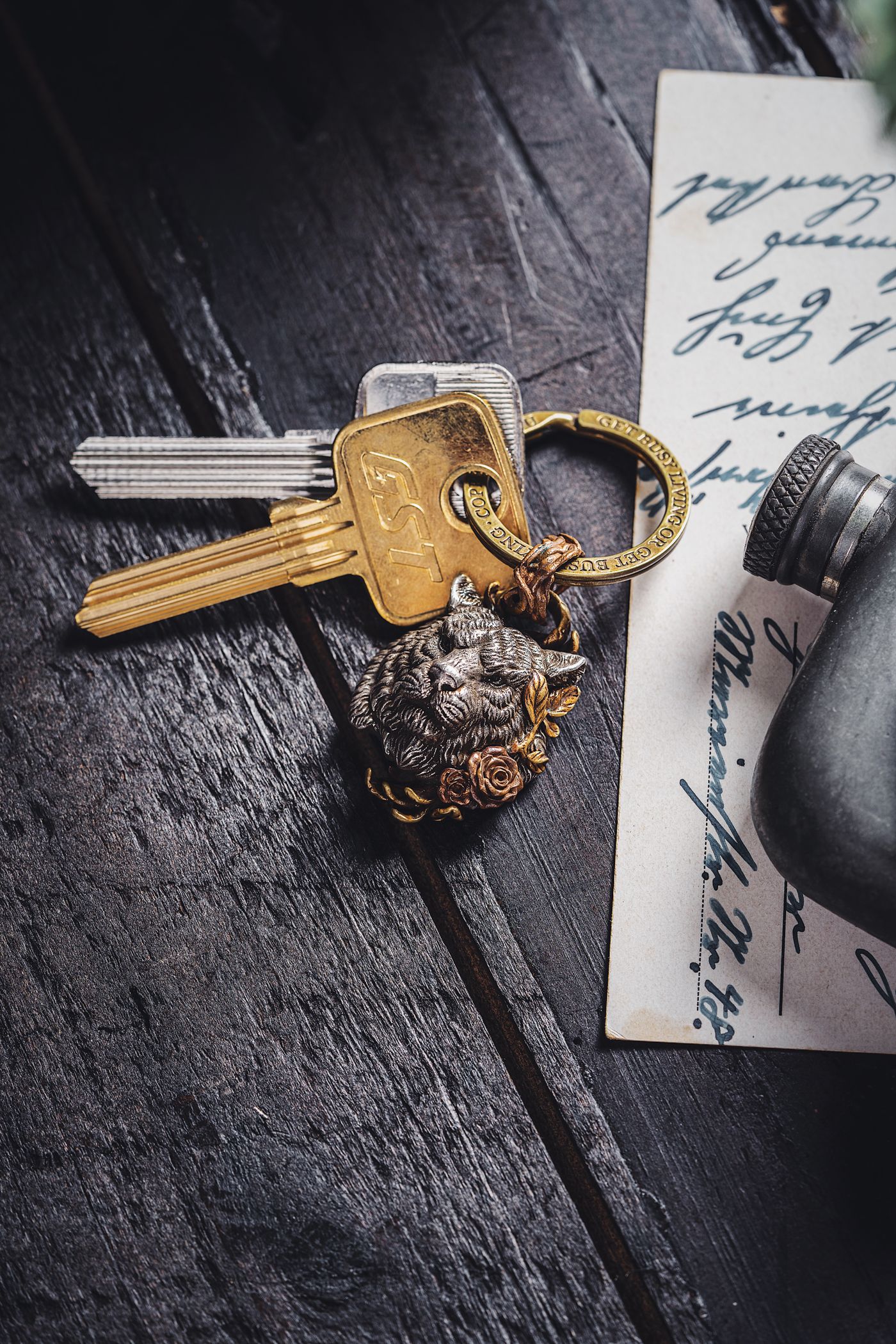
Avoid heavy shelves above a place where people bend down and objects balanced beside the walking route. A high shelf can hold lightweight, rarely used items if access remains safe. Keys and post need a reachable location instead, without being exposed to view from outside.
Allow for less ordinary arrivals
Try the route again with things that pass through less often: a bulky shopping bag, suitcase or laundry basket. Carried objects can hide small obstacles on the floor. Consider someone accompanying a child or helping another person enter as well. Furniture that seems convenient on an ordinary day may become awkward when two people need to move together.
Storage beside the entrance can be deliberately limited. Reserve a place for things going out tomorrow, but decide when it will be emptied. Post awaiting attention can move to a folder in another room; delivery boxes should not remain in the walking route. If a parcel needs returning, choose somewhere that blocks neither the opening door nor the route to an exit.
For visitors, make a temporary arrangement that does not require moving the household's entire collection. A few spare hangers in a nearby cupboard may be more useful than extra hallway hooks. After a rainy day, let belongings dry as appropriate before crowding them into enclosed storage. These exceptions often reveal the limitations of an arrangement that seemed satisfactory when assessed only with a tape measure.
A mirror may help you get ready, but it does not create physical width. Position it for use and mount it according to its weight and the wall material. Keep the floor clear enough for easy cleaning. Any mat should be suitable for the traffic, stable and compatible with doors opening over it.
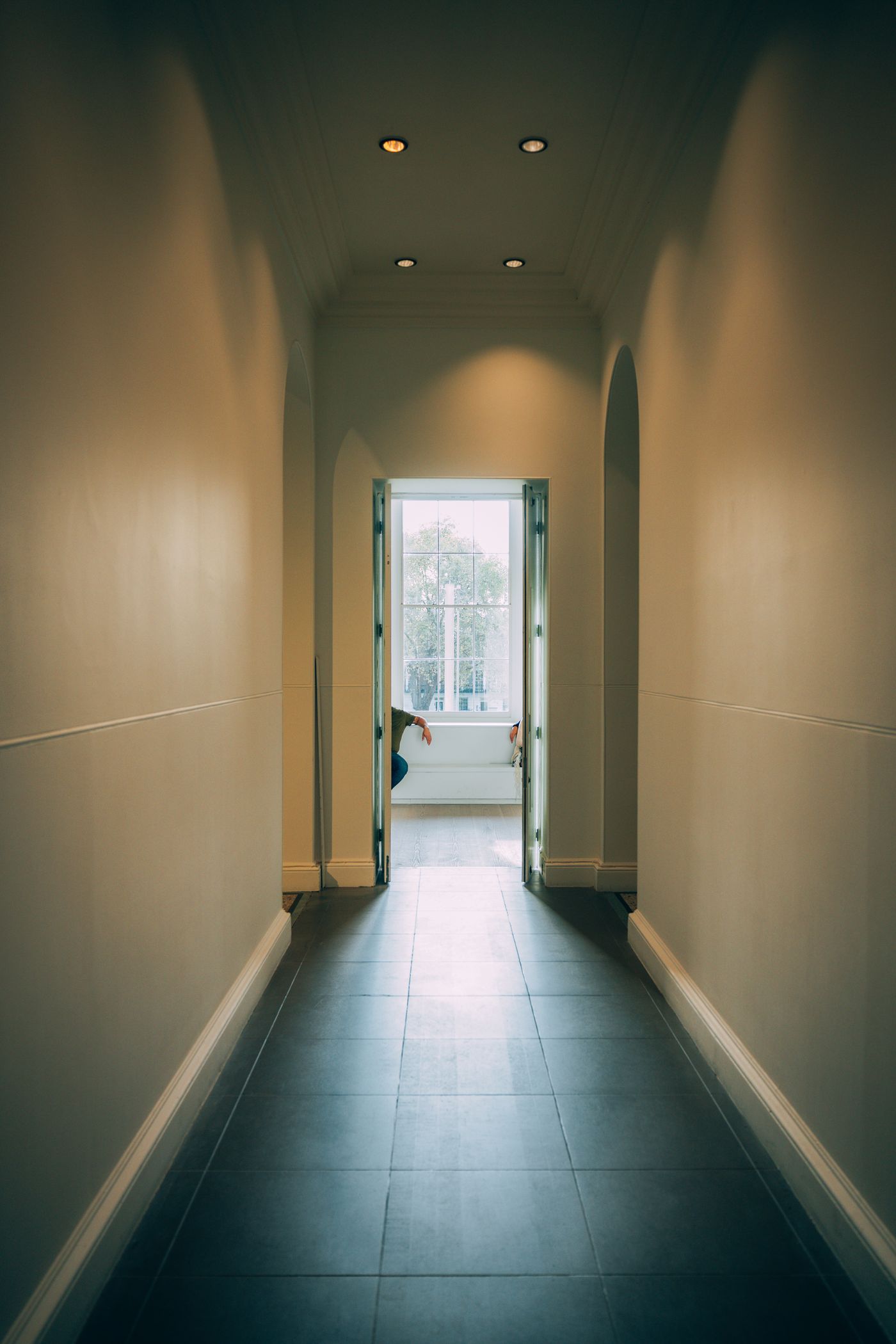
Finish with the lighting: can you see the lock, shoes and floor when you arrive after dark? A handsome but gloomy corridor remains awkward. Test the whole arrangement while carrying your usual belongings. If you have to turn sideways every time you pass, remove a piece of furniture instead of trying to make the obstacle look less noticeable.