Choose a small gesture
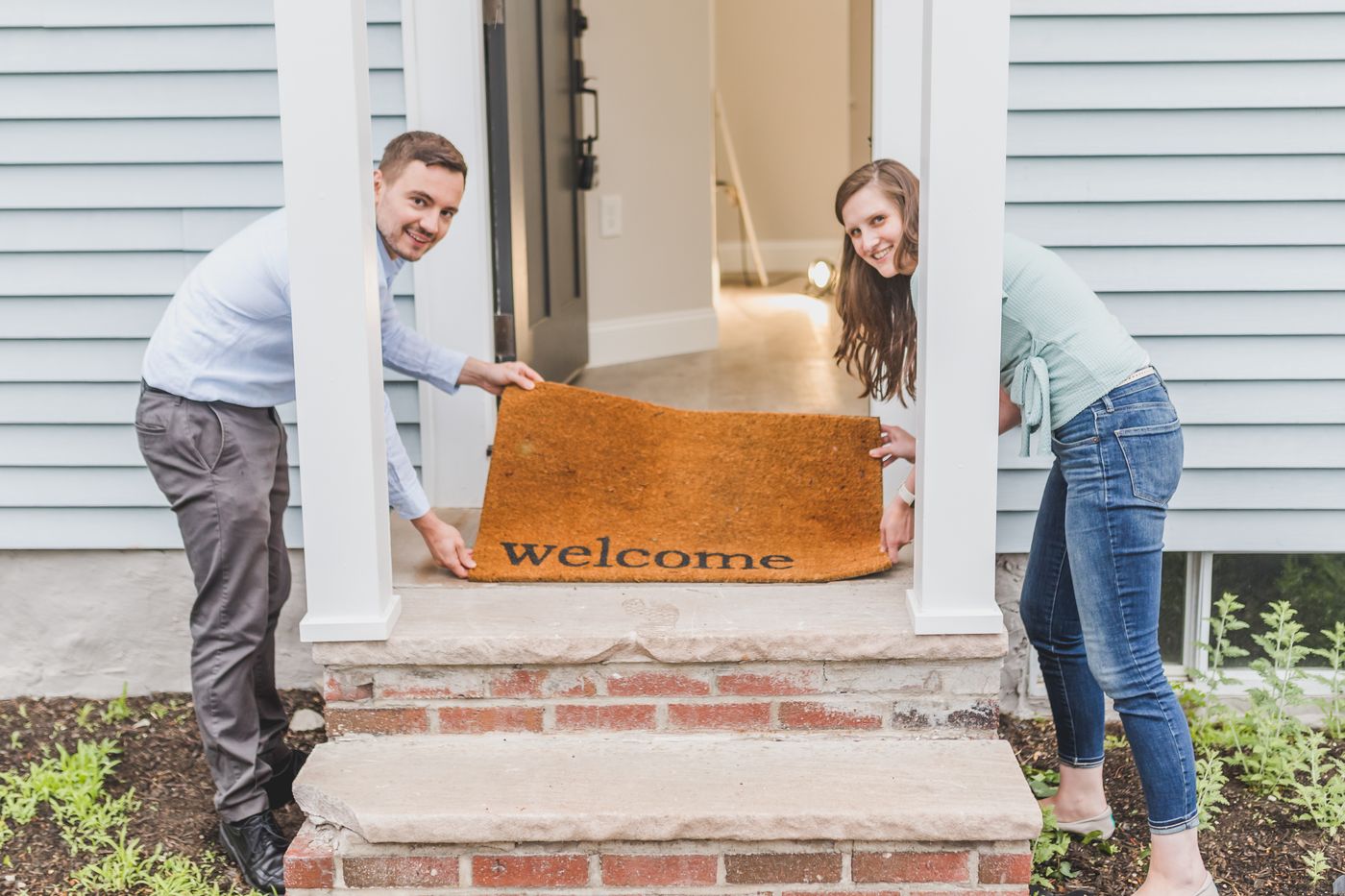
A brief introduction in a shared area or a simple card can be enough. Avoid ringing during a move to begin a lengthy conversation. Give your first name, say where you live and welcome the person, then let them decide whether to continue talking.
If leaving a note, include a contact method you are comfortable sharing. Do not add someone to a messaging group without agreement. A telephone number visible on a parcel or document is not an invitation to use it. The first exchange should make contact possible rather than compulsory, and should not require the newcomer to reveal personal details in return.
Share information that can be checked
Offer useful references such as the bicycle store, operation of a shared door or where to find building rules. For collection schedules and local procedures, point towards official information instead of presenting an old habit as a certain rule.
Distinguish what you know from what you assume. Avoid commentary about other residents or stories of neighbourhood disagreements. A new resident should be able to form their own impression without immediately receiving a map of the building's alliances and conflicts. If they ask something you do not know, saying so is more helpful than giving a confident answer that creates confusion.
Leave space after an invitation
Make offers of coffee or help specific and easy to decline. 'I can show you the storage area on Saturday if useful' requires less interpretation than unlimited availability. Do not press if the answer is vague or the person prefers to organise the move alone.
Food gifts are unnecessary when allergies, habits and preferences are unknown. A card without an additional object may be easier to receive. Over time, an ordinary greeting and respect for shared spaces may build more connection than an elaborate welcome. A quiet response is not necessarily a personal rejection: moving already creates many decisions and requests for attention.