Reduce use without removing contact
A screen-free morning does not require leaving your phone at home. Keep it charged in your bag, with important calls audible, while deciding not to use it simply to fill spare moments. Tell anyone who expects a quick reply if your response will be slower. The aim is to choose your attention, not become unexpectedly difficult to contact.
Follow a familiar route, write down an essential address or time and check your return arrangements beforehand. If a ticket or payment requires the phone, use that function and put it away again. An ordinary outing does not need to become a test of perfect digital abstinence.
Give free time somewhere to go
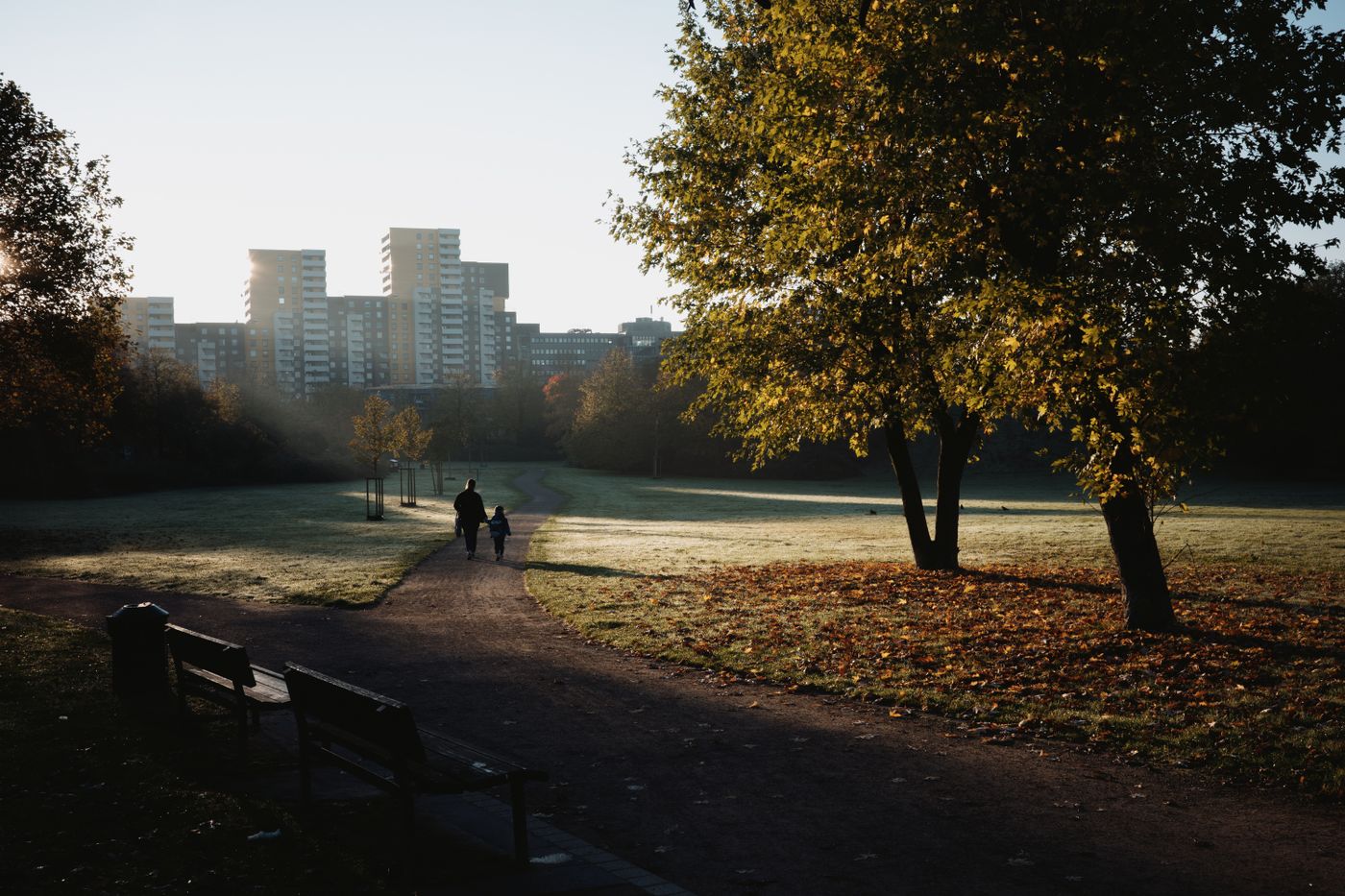
Choose two simple activities that do not require constant searching: walk through a park and read a few pages, visit a market and sketch a detail, or sit beside a public garden with a notebook. Carry only what the activity needs. Too many alternatives can become another way of filling every minute.
When a question occurs to you, note it rather than immediately searching. You can identify a tree or investigate a building later. While waiting for someone, look around, listen or write one sentence. Waiting is allowed to remain waiting; it does not need to become a productive task. Notice what you reach for when there is nothing urgent to do.
Return without an automatic catch-up
Before restoring every notification, ask what you genuinely missed. Perhaps the map was useful but the news feed was not. Keep that distinction for another outing instead of creating a sweeping rule that is difficult to maintain.
Read important messages afterwards without requiring yourself to review everything that accumulated. If you made notes, research one question that still interests you. This small choice extends the attention you practised outside. The right duration depends on your responsibilities: a short walk may be enough. Using the phone for something necessary does not cancel the value of the rest of the morning or require starting the exercise again.