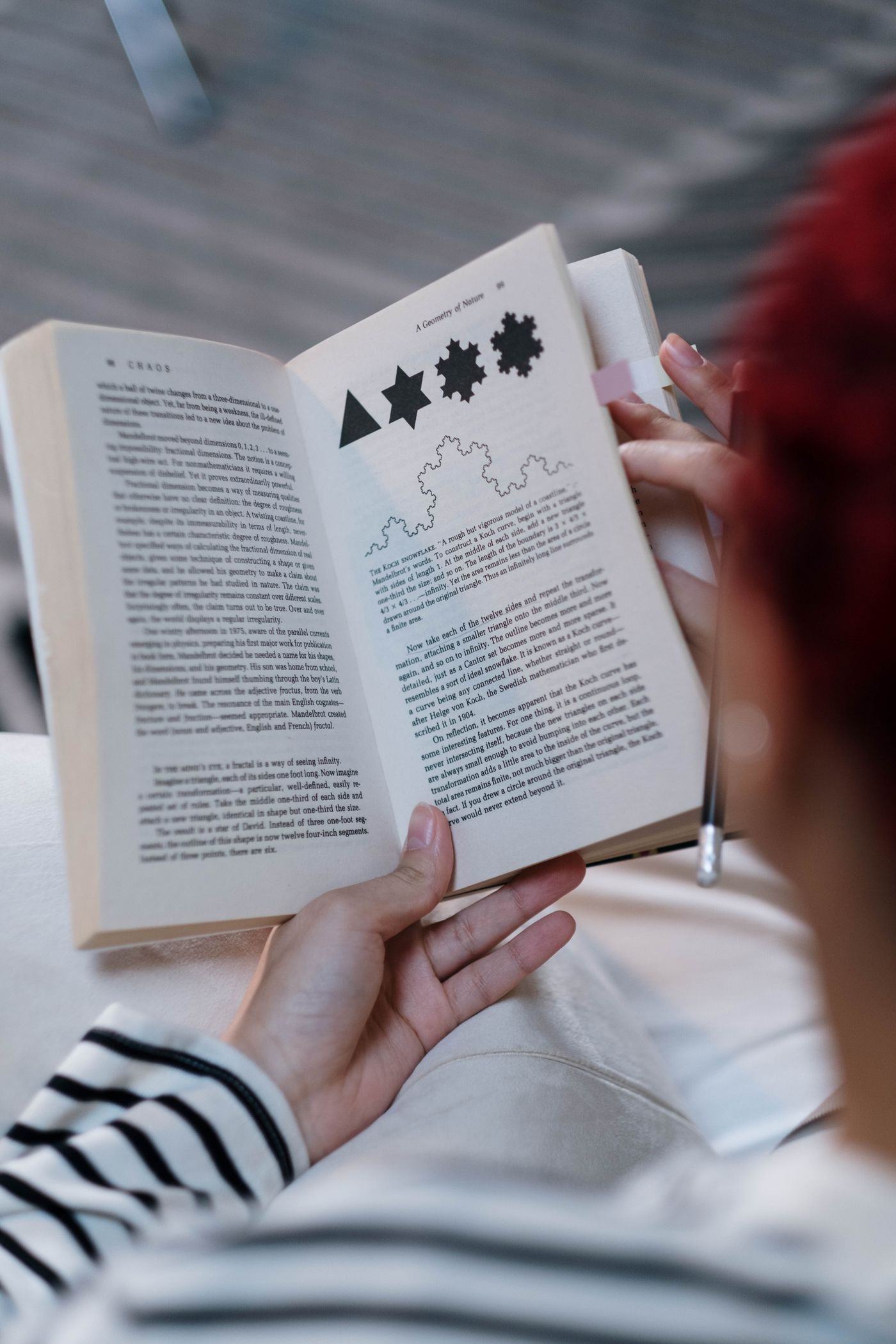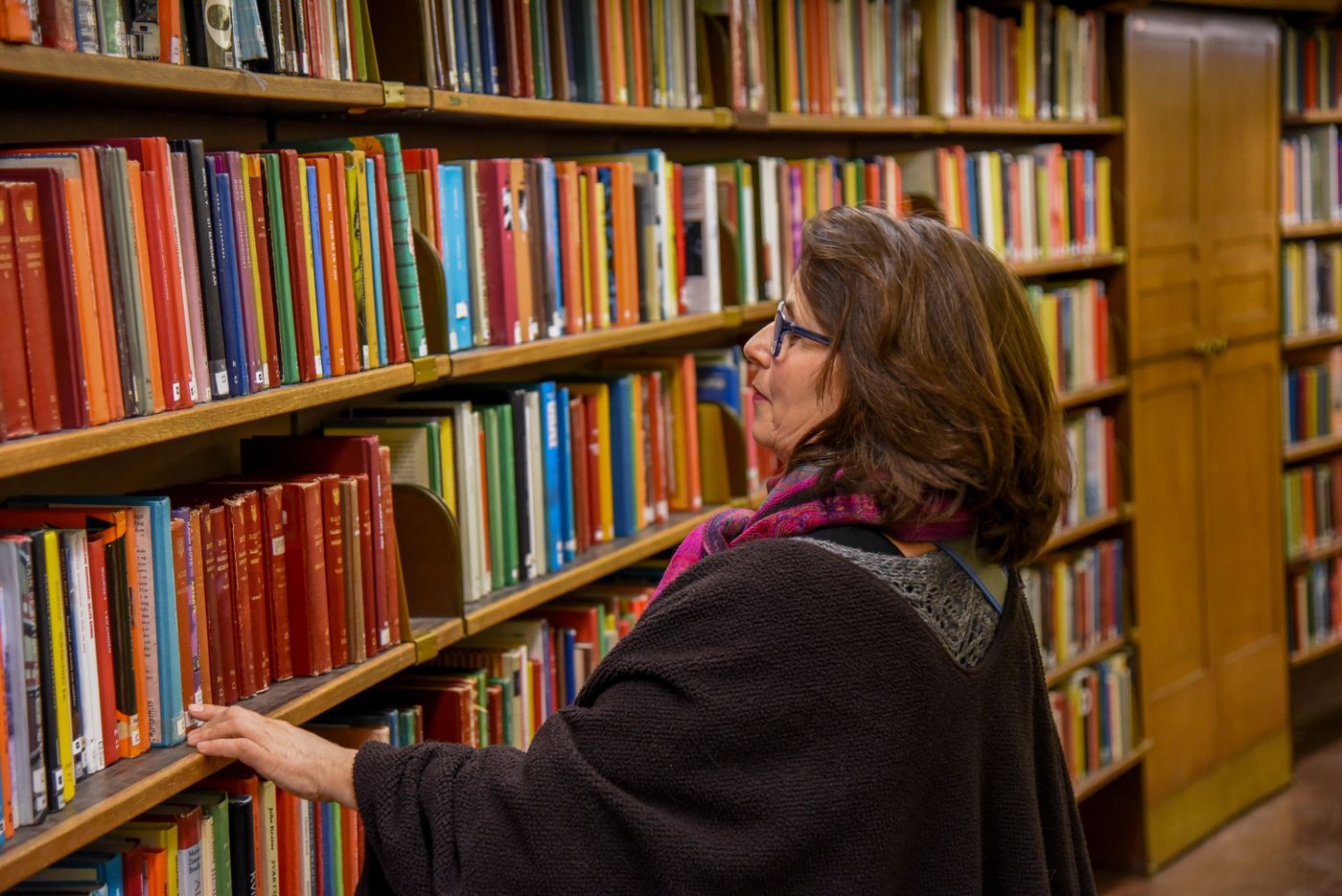
Before visiting the library, check what you already have and when it is due. The number you are allowed to borrow is not necessarily the number you can read. Choose for the weeks ahead while leaving room for a discovery on the shelves. Borrowing can also mean browsing a book rather than committing to reading every page.
Check your library's rules: loan periods, renewals, reservations and return arrangements vary. Consult official information or ask staff instead of assuming all libraries work alike. If using several institutions, separate their books as soon as they arrive home so each can return to the correct place.
Give returning books a home
Reserve a shelf corner or suitable bag for borrowed books. Avoid immediately mixing them with your own collection. A note showing the return date can help, but also put a reminder in the calendar you actually use. An email reminder is of limited value if you never read that inbox.
When you finish a book, place it in the return area instead of another pile. Check that no personal bookmark, receipt or document remains inside. Carry books in a clean, dry bag, separate from containers that might leak. Keep the return area accessible so gathering the books does not become another task before leaving.
If you want to extend a loan, request it according to the library's rules before the deadline where possible. Another person's reservation may prevent renewal. Accept returning the book and finding it again later instead of relying on an automatic extension.
After several visits, adjust quantities to your actual pace. You might choose one book to read and another to browse, or focus on a single long title. Record future interests on a separate list rather than carrying home everything that catches your attention. The library will be available for another visit; each trip does not need to supply several months of reading. If a return is already late, check the institution's process and contact staff rather than avoiding the next visit.