Choose fabric for the object
Put the gift in the centre before cutting or buying fabric. Corners need to meet with enough length for a knot without squeezing the contents. Fabric that is too small pulls across edges; an enormous square creates an awkward bundle. A clean scarf, napkin or cotton square can work, depending on its flexibility and condition.
For a first attempt, use a non-fragile rectangular object such as a box or protected book. Slippery material needs more attention than soft cotton. Avoid fabric that sheds onto a sensitive surface or may transfer colour. If using something valuable, check that folds and knots will not damage it. A beautiful material is not useful wrapping when handling it becomes the main concern.
Make a diagonal wrap
Lay the square like a diamond with one corner towards you, placing the box centrally. Fold the near corner over the gift, then the opposite one, tucking excess material under where necessary. Bring the remaining two corners towards the centre and knot them above the package. Adjust folds before tightening so the box corners remain covered.
The knot should hold during ordinary handling without becoming impossible to undo. Test it over a table rather than immediately lifting the package by the ends. A knotted wrapper is not a guaranteed handle, particularly with heavy or fragile contents. Support the base while carrying the gift, even when the knot looks secure.
Adapt without hiding limitations
A reusable box can simplify wrapping a round object and protect it. Put several small items into a container before tying the cloth; folds alone may not prevent something slipping out. Food should retain appropriate packaging because decorative fabric is not necessarily intended for direct food contact.
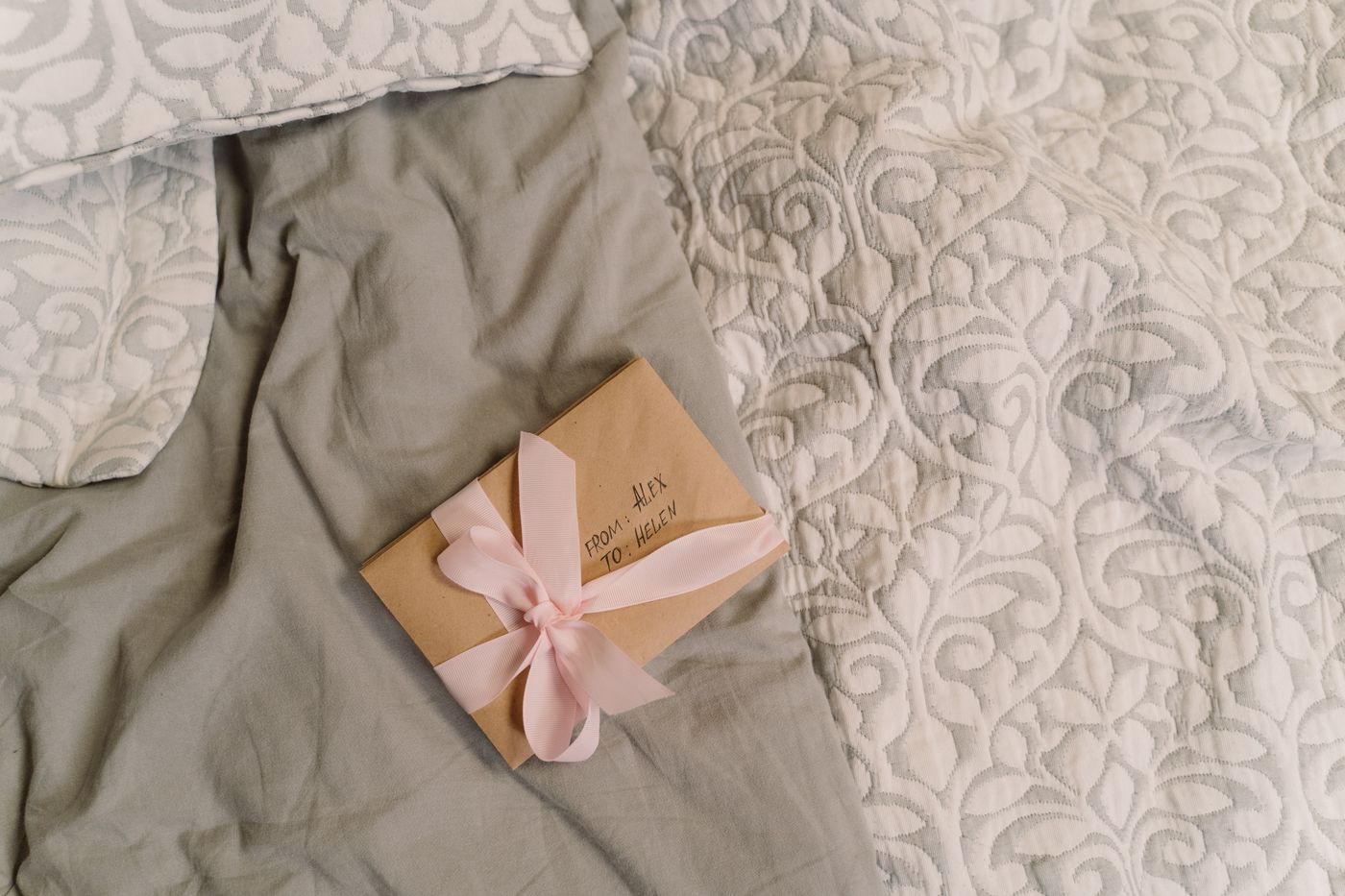
Add a tag using a removable tie if wanted. Avoid hidden pins or decorations that can catch the cloth. Fresh greenery may stain or shed leaves, while a drawn label provides a finish without maintenance. Check whether decorative additions will obstruct opening rather than judging them only while the package is sitting still.
Explain what can be kept
Say whether the fabric is included. A note can say that the square is also a present. If you want it returned, explain before opening rather than surprising the recipient afterwards. Nobody should have to guess whether part of the wrapping is borrowed. This is especially helpful at a gathering with several gifts.
After practising, fold the cloth and remember the kind of object it fits well. Keep a few useful sizes rather than a large collection chosen only for patterns. Reuse depends on being able to find, wash and handle what you already have. Wrapping that is straightforward to undo and repeat is more likely to be used again than an arrangement too complicated to recreate.