Choose for the reader
Start with an expressed preference: an author, subject, format or reading habit. Someone who reads while travelling may value a light volume, while someone interested in images might prefer an illustrated book. Avoid choosing solely the book you wish they would read to change their tastes.
Check whether they already own it when this can be done without making the exchange complicated. A gift receipt or exchange option can remove the uncertainty. For a second-hand copy, inspect pages, binding and annotations. Explain that choice plainly without inventing rarity or a provenance story to make it sound more valuable.
Add one thing with a purpose
A bookmark, suitable reading light or notebook may accompany the book, but no addition is required. Choose for actual use. Another mug is not automatically useful to someone who already owns many, even if it makes a basket look full.
For a handmade bookmark, select material that will not stain pages. Avoid thick parts that strain the binding or fragile decorations that detach. A card naming a chapter that interested you can replace a purchased object. Do not permanently stick anything inside the book without a clear reason and the recipient's agreement. Keep additions separate enough that they can be used independently.
Invite rather than assign reading
Explain briefly what made you think of the recipient: a subject you discussed, a narrative voice or a visual detail. Do not require a review or set a date for discussing it. A book should not become homework or a test of appreciation towards the giver.
If the content includes difficult subjects you know matter to the recipient, provide a discreet indication or choose another title. You do not need to reveal the plot to avoid a surprise that conflicts with the intention of the gift. A familiar genre can still contain unexpected material, so inspect more than the cover when choosing.
Wrap for protection
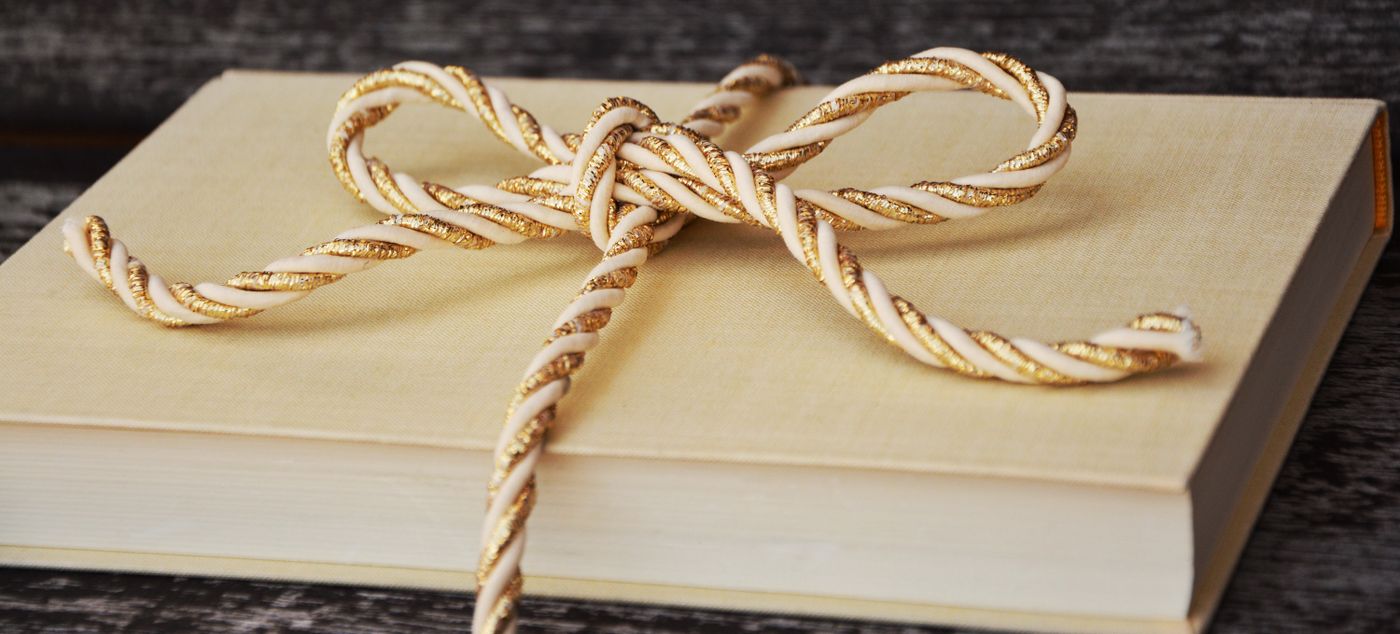
Protect corners and position additions so they cannot mark the cover. A tightly pulled ribbon can damage a soft binding. When posting, choose packaging appropriate to the weight and journey and check postal requirements. The parcel needs to withstand handling, not only look attractive on a table.
Keep the personal card separate from receipts and practical information. The recipient can then retain what they want without displaying the price or exchange arrangements. A well-chosen book and a specific note already form a complete gift. More objects do not automatically make it more personal or easier to use.