Make the subject small enough to try
Learning to draw is a broad intention. Drawing five kitchen objects in pencil provides a clearer beginning. Choose a result you can observe at the end of a month without expecting complete mastery. It might mean playing a few bars, completing a small sewing task or recognising several leaf shapes using a reliable resource.
Check that the project fits your time, budget and space. Some skills require guidance or safety equipment and cannot be reduced to watching a video. For a first month, favour a low-risk activity that is easy to pause. Interest matters, but it does not replace the necessary conditions.
Choose one main resource
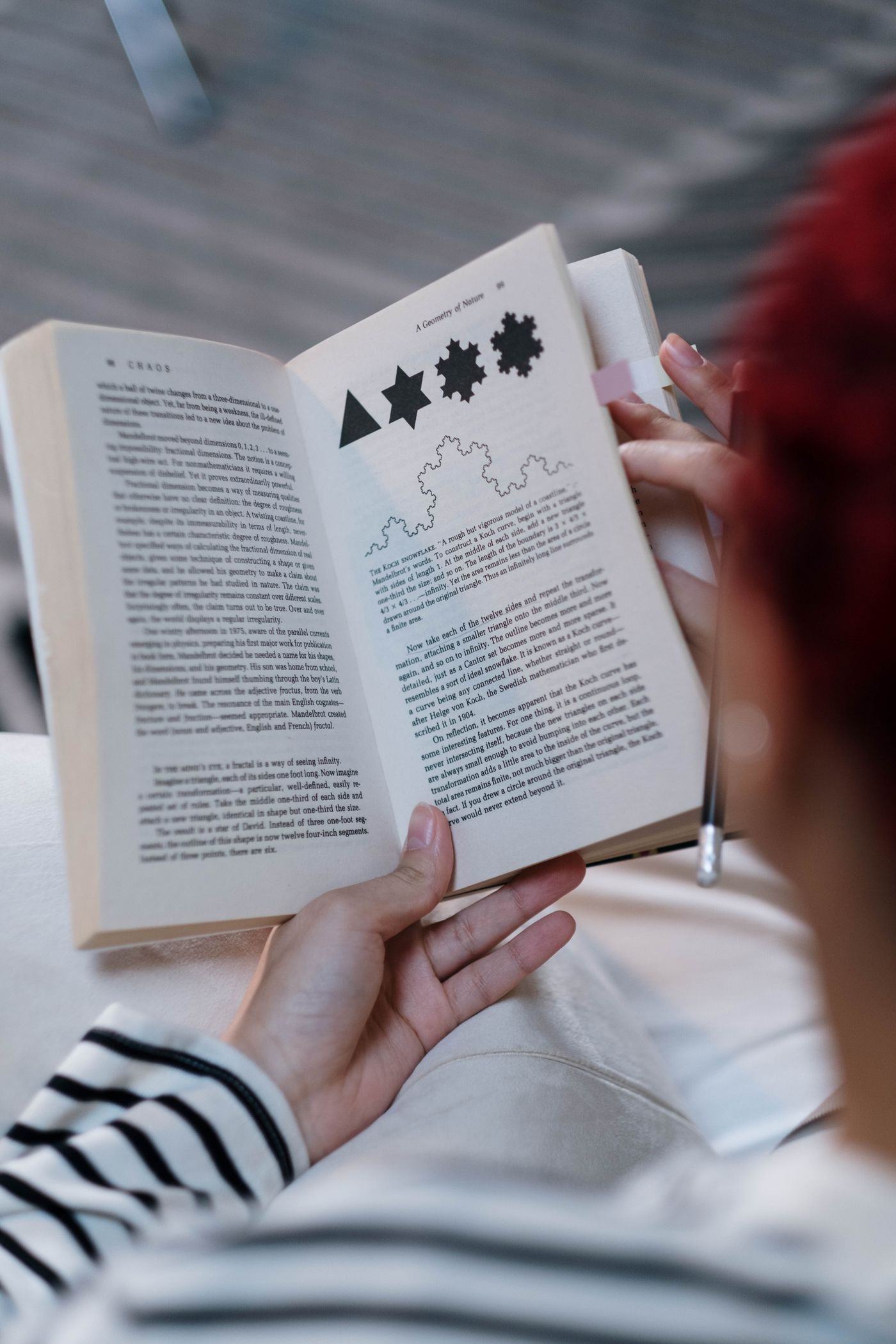
A book, suitable course or coherent exercise sequence can provide direction. Avoid beginning with ten methods in parallel: their progressions and terminology may conflict or simply scatter your attention. Consult another source when a specific question arises.
Try the first session with minimum equipment. Note what is actually missing before buying. Difficulty may come from a movement you have not learned rather than an inadequate tool. Conversely, unsuitable equipment can complicate the exercise unnecessarily; seek a targeted solution rather than a complete advanced setup. Borrowing appropriate supplies may help you test an interest before committing more money.
Turn an intention into successive trials
Take the project of drawing five objects. The first week might focus on their large shapes, the second on proportions, with later sessions choosing and redrawing one object. This is not a compulsory programme; it shows how each session can answer a difficulty you encountered. If proportions already feel straightforward, spend more time on the actual problem instead of following the plan on principle. A useful plan changes when an experiment gives you new information.
Keep a small trial note with three elements: what you attempted, what you observed and what you will change. One line each is enough. Write the paper bends when I add lots of water rather than I am bad at painting. The first describes something testable; the second turns a local result into a general judgement that does not help choose the next movement. Be equally specific about what worked so you can repeat it intentionally.
Plan a minimum version for busy weeks. Looking closely at an example, preparing materials or repeating a movement for a few minutes can preserve contact with the subject. This does not always replace a full session, and you need not pretend otherwise. You are choosing between one small useful action and postponement, both acceptable depending on your availability. The project needs to remain compatible with the rest of your life rather than becoming another obligation defended at any cost.
Give sessions different jobs
The first session is for discovering and trying. The next might repeat one movement. Another can apply it to a small finished object. Not every session needs to produce something presentable. Leave room for experiments that explain why an attempt did not work.
Plan a realistic rhythm, perhaps two short periods each week, then adjust it. If you miss one, resume at the next useful point rather than automatically doubling the duration. A month is a boundary that makes experimentation manageable, not a deadline for competence. Extend it if the subject needs more time. Write the next small action before putting materials away so restarting requires less preparation.
Decide what deserves continuation
Keep a record of the beginning and end: a photograph, recording or brief notes. Compare something concrete, such as line consistency or completing a stage without consulting instructions. Avoid comparing your first month with someone else's years of practice.
At the end, choose whether to continue, alter the project or leave it aside. Discovering that an activity does not suit you is information, not a failure to hide. Put supplies away with a note about what worked and what remains to learn. If you return later, you will have a starting point instead of repeating the entire search. Retain only materials with a plausible future use rather than treating every trial as a permanent new hobby.