Choose a small capacity
Take an envelope large enough for a postcard or ticket, rather than an entire storage box. Write the date and place on the front. This physical limit encourages you to choose a few traces instead of keeping every receipt and wrapper. If the weekend happened at home, a note or drawing can replace souvenirs from an outing.
Keep only clean, dry paper. Remove receipts containing information you do not want to retain or share. Do not add food, fresh plants or sand, which can stain or damage other contents. A photograph of an object is enough when the object itself is damp, fragile or bulky.
Add what tickets cannot explain
Write three specific details: something someone said, a place where you stopped or a decision made along the way. 'We changed paths because of the rain' says more than 'lovely weekend'. You do not need to describe every hour or make everything sound pleasant if some moments were difficult.
When several people contribute, offer each a small card without requiring the same memory. A child may draw while someone else records a route or colour. Ask before preserving a confidence or a photograph that another person does not want kept. The envelope should not become a record collected about people without their agreement.
Decide where it will live
Store envelopes upright in a limited box or designated drawer. Sorting by year may be enough; there is no need for a complicated system. If the collection grows too large, reread it and choose which envelopes you still want to retain.
Open one on a quiet evening without trying to extract a major lesson. Small details may recall more than photographs selected for sharing. You can also transfer a note into a notebook and recycle the remaining paper. The aim is to preserve a few accessible references, not turn every weekend into an exhaustive archive that creates another ongoing job to maintain.
Connect a few photographs without printing everything
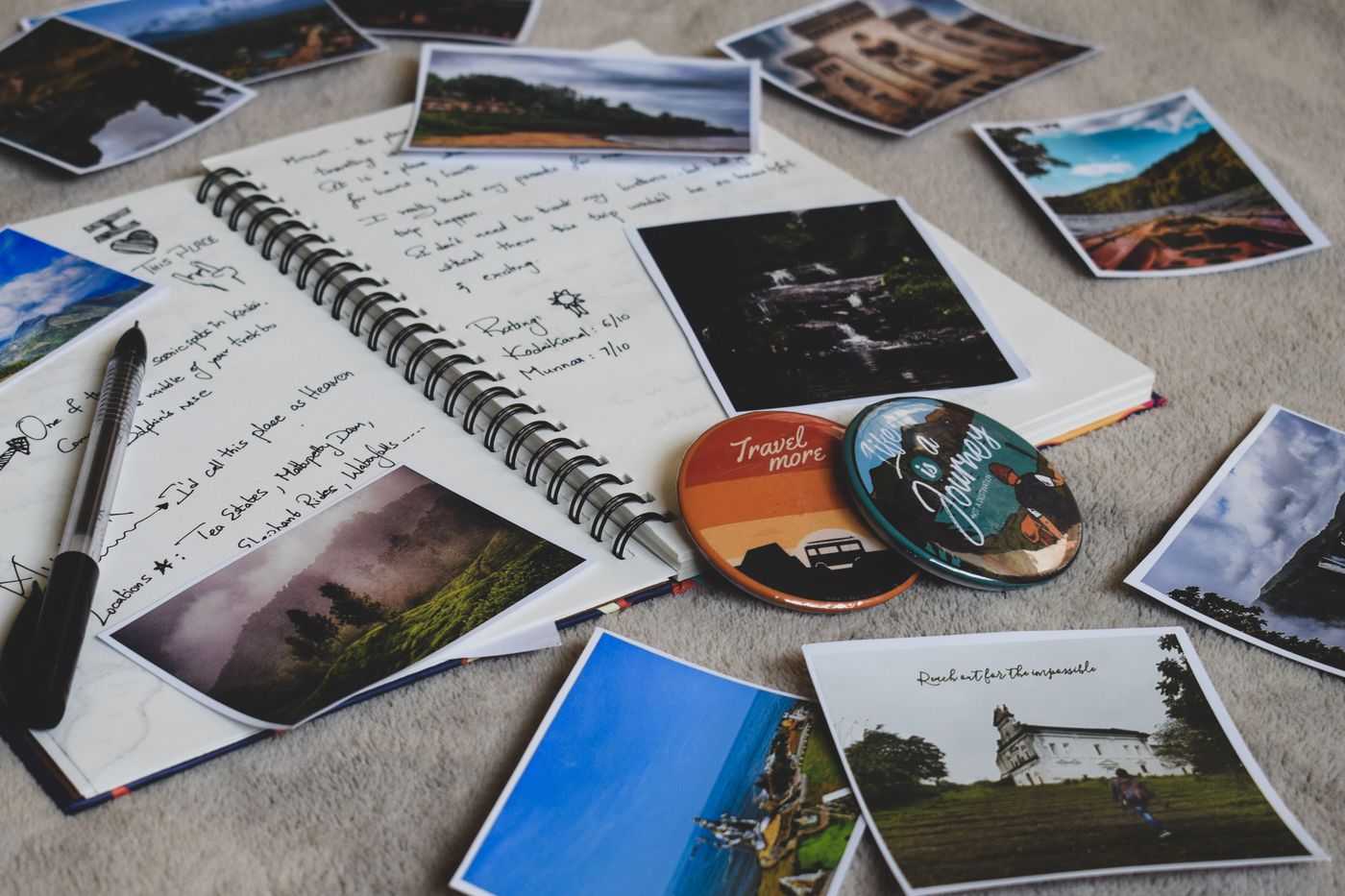
Choose one or two images that add something to the papers. A picture might show the place named on a ticket or someone absent from the other traces. Check agreement before sharing images of other people. Even for a strictly personal envelope, store sensitive material with appropriate privacy.
If not printing, note the folder containing the files rather than depending on a temporary link. Links can expire or change access, while a clear reference helps locate images within your own storage. Do not write a password inside the envelope. When changing devices, check that selected photographs have transferred before erasing the old one. A small physical archive works better when its connection to digital material is understandable rather than relying on remembering which app was used years earlier.