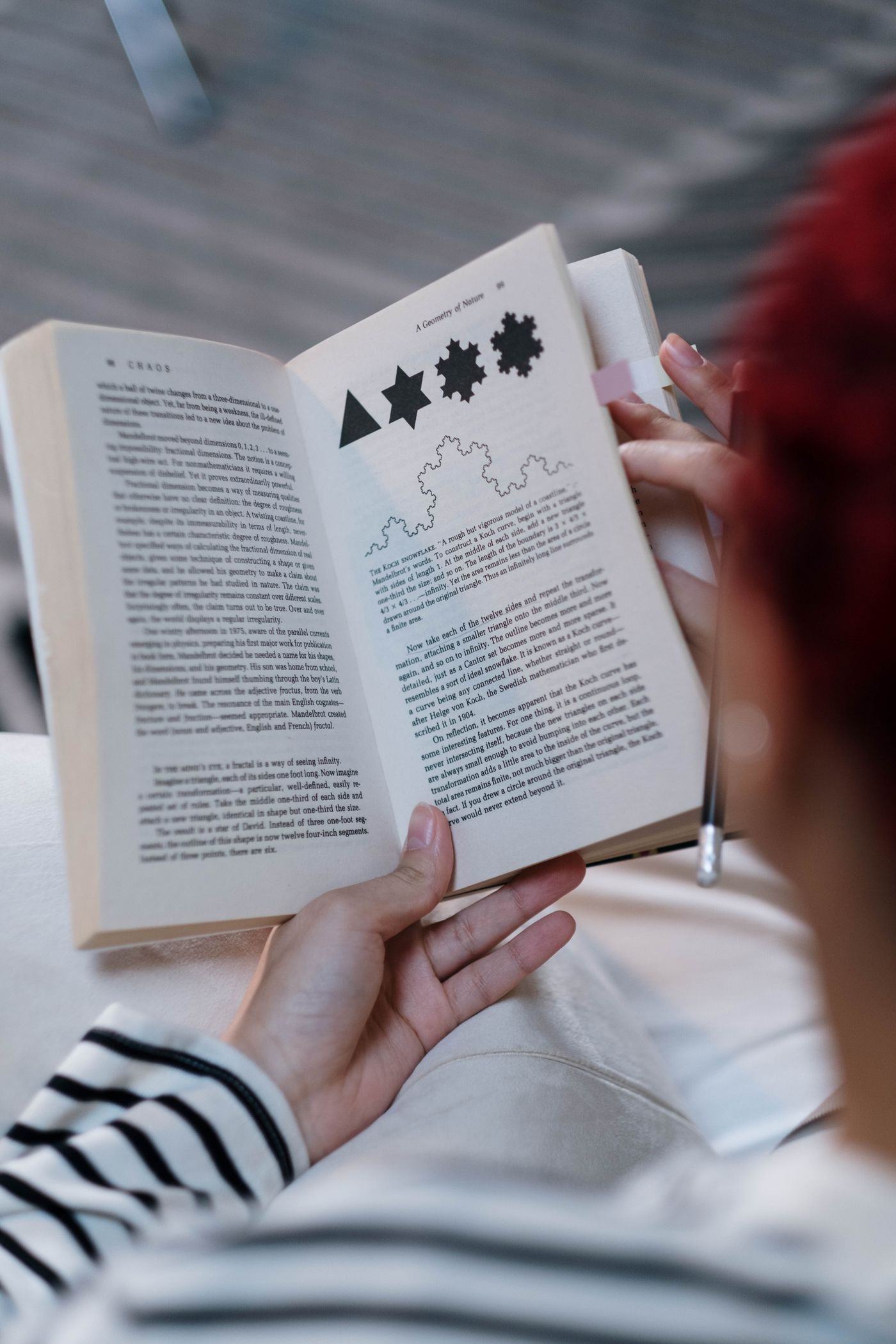
A short letter does not have to summarise several months. Choose a person and something that reminded you of them: a book, place, sentence or recipe. Begin with that concrete connection. It gives you a reason to write without requiring a long introduction about the time since your last message.
Take a card or small sheet instead of a large page that seems to demand filling. You can write a few lines and stop. Five minutes is a starting point, not a strict limit or a promise to complete the entire mailing process. Finding an address or arranging postage may need another moment.
Say something particular
Describe the memory or discovery with a detail the recipient can recognise. I thought of our walk when I saw these trees offers more than a general phrase copied into every message. Add a question if you want to open a conversation, without making numerous requests or expecting an immediate reply.
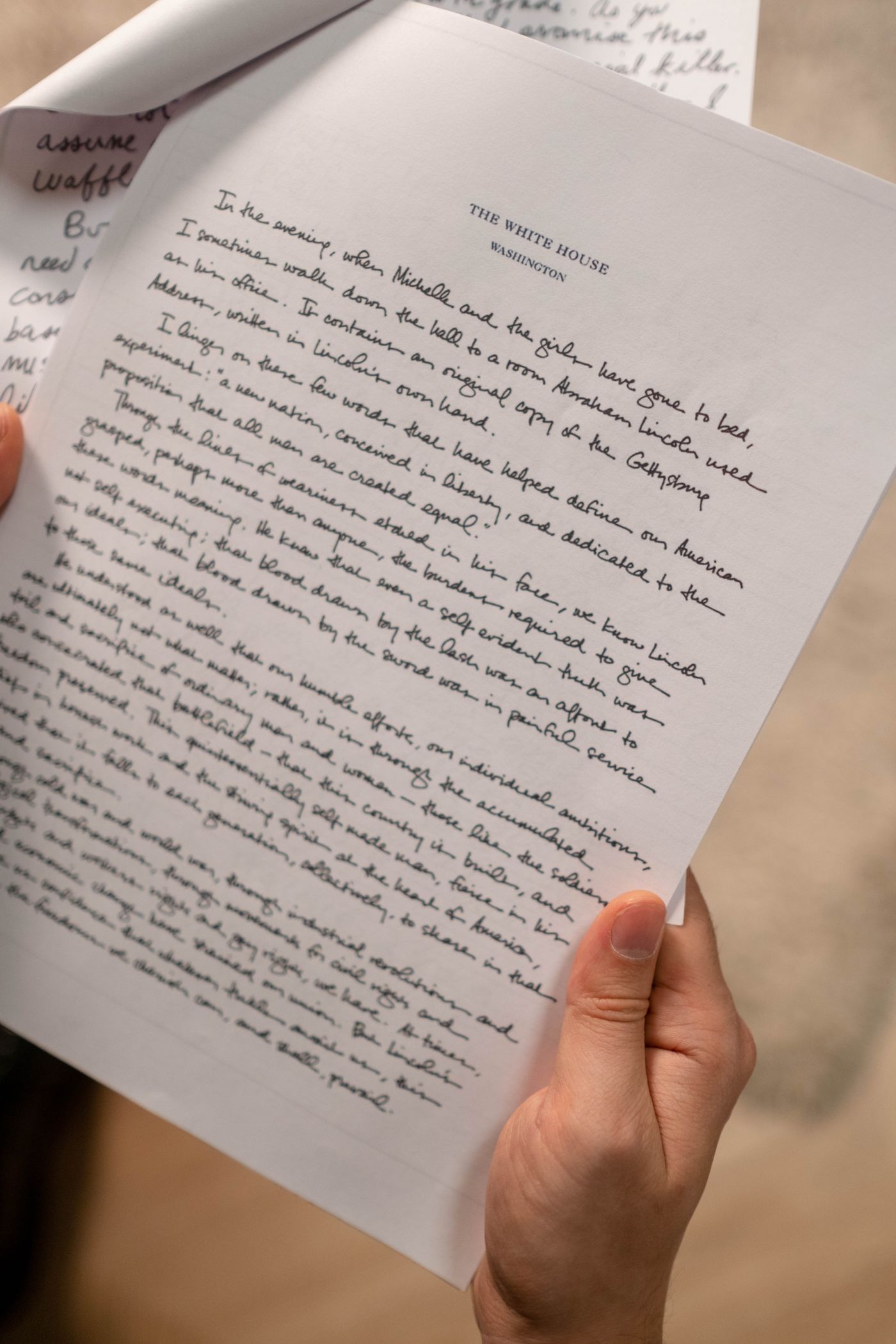
Write legibly rather than decoratively. If handwriting is uncomfortable or paper does not suit you, a typed and printed message or personal email can serve the same purpose. Attention does not depend entirely on handwriting. Avoid including sensitive information that should not travel through your chosen medium.
Read it again to check the name, meaning and address. A minor mistake does not require rewriting the whole card. Add a date if it will help place the message later. Check applicable postal requirements before sending, particularly overseas, instead of assuming an old rate remains valid. Use an envelope that protects the contents and leaves the address readable.
Put the completed letter where it will leave with you, or arrange the digital sending directly. A written letter forgotten at the bottom of a drawer remains unfinished. You do not need to make this a weekly appointment: correspondence can begin with one thoughtful message and then find a rhythm with the other person. Let their response, or lack of one, guide expectations without turning the gesture into an obligation for them.