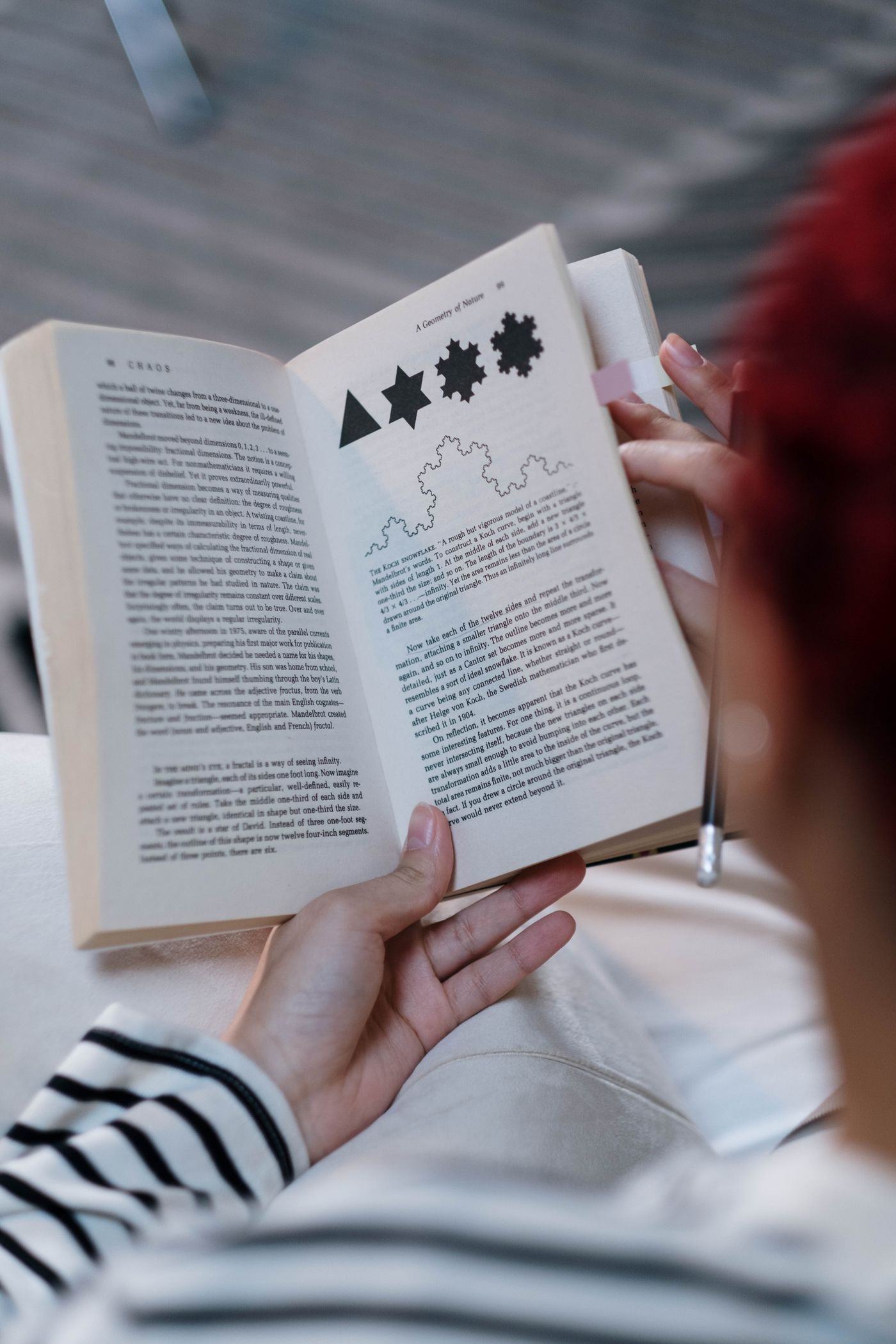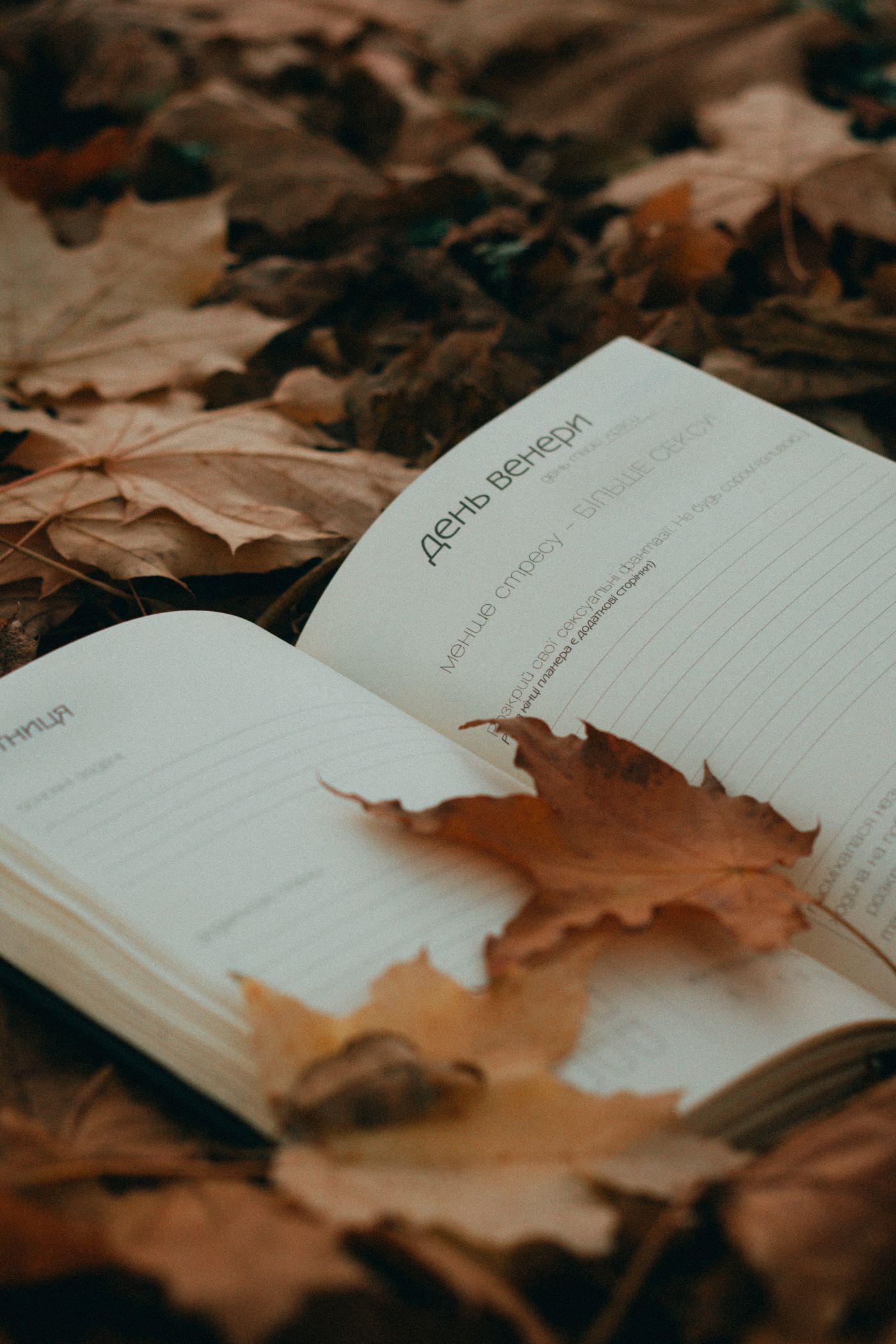
Choose an observation point that is easy to revisit: a window, a tree visible from public space or a short route you already use. It need not be spectacular. Repetition lets you notice changes. A distant location may turn every observation into an outing that needs planning.
Record a date, approximate time and two or three details. Light, leaves, how a square is used or the clothes needed outdoors can all belong in the notebook. Describe what you see that day without immediately turning it into a rule about the entire season. A small, accurate note is more useful than a grand conclusion you cannot support.
Compare comparable things
If photographing the place, try to use a similar framing and note differences in time or weather. An early-morning image and a sunset image do not show only seasonal change. These details make comparison more interesting and prevent hasty conclusions.
For plants and animals, do not guess a species if you do not know it. A description or drawing can await reliable identification. Observe without disturbance, without feeding animals to make them return and without collecting where it is prohibited. The notebook should adapt to the place rather than alter what you want to watch.
Keep the rhythm light
A weekly visit or a few observations each month may be enough. There is no need to record something daily. If you miss a period, resume at the current date rather than reconstructing memories as though they had been precisely observed. Simply mark the gap.
After several pages, choose a concrete question: when does sunshine reach the bench, how does foliage colour change, or when is the square busiest? A question can guide the next stage without turning the notebook into a scientific study. Your observations remain local and limited; by themselves they do not prove a broader climate trend.
Keep the notebook private or share a selection without revealing a personal address or identifiable people without their agreement. A few printed photographs, words and a drawing are enough. The pages do not need a uniform appearance, and you can leave empty space when little has changed.
Next season, return to the same point if you enjoy it. You can compare years while considering dates and conditions. If the location no longer interests you, choose another and record the change. This remains a way of looking at your surroundings rather than an obligation to preserve a perfect series. Let curiosity decide whether the next visit needs a camera, a pencil or simply your attention.