Describe the uses without picking a winner
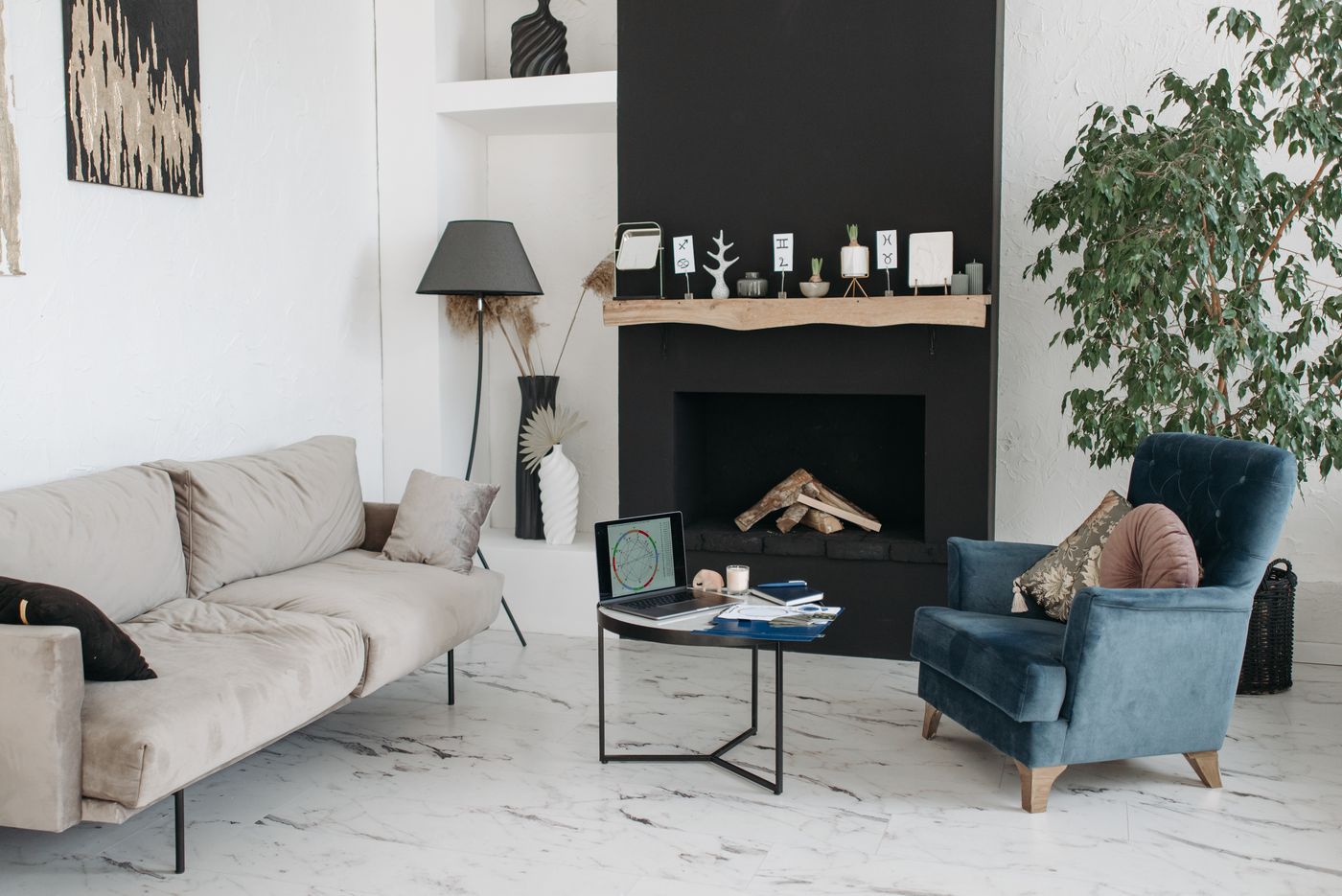
In one living room, someone may want to read while another person watches a series, plays a game or works. Before moving furniture, list the activities that genuinely coexist and those that happen only occasionally. Identify their requirements: light, sound, a clear surface, power or a view of the screen. Discussing these concrete needs is easier than debating the style of the sofa.
Sketch the room roughly, including doors and walking routes. Seating should not force someone to walk continually in front of a screen or move another person's work. In a small room, sharing time may be more realistic than creating three permanent zones. No piece of furniture can solve activities that are incompatible at the same moment.
Give each activity some independence
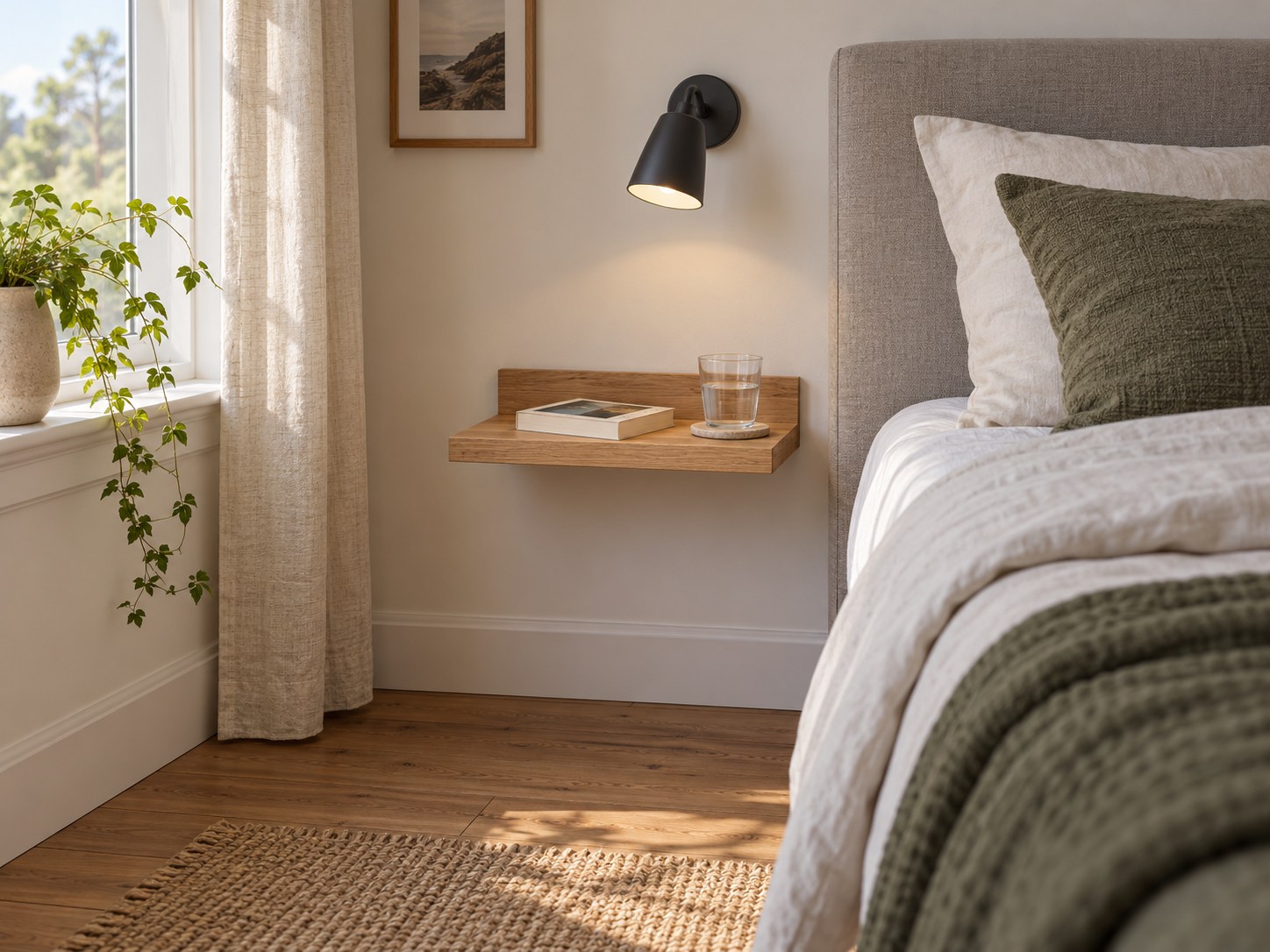
An adjustable lamp beside a seat allows reading without imposing strong light on the whole room. A small box gathers a hobby project so it can move. Headphones may suit some noisy activities if everyone concerned agrees and remains alert to anything requiring attention in the household. Do not present this accessory as a rule imposed on just one person.
Allocate storage according to use rather than simply available space. If all one person's equipment is behind someone else's chair, interruptions will be frequent. Reserve a surface for shared objects and an identifiable place for individual belongings. Different boxes may help, but they should remain easy to open and put back.
Keep at least one seat genuinely available for someone joining the room. A place covered with bags makes the room feel occupied even when it is not. Storage for everyday possessions should not remove the space's capacity to welcome people. Conversely, there is no need to keep every surface ready for a visitor if that prevents residents from using the room normally.
Decide how activities end
Agree on a simple way to release the space: the game returns to its box, papers to a folder and the table is wiped. For something that must stay assembled, such as a puzzle, plan a suitable portable support or an agreed period of use. Avoid unspoken arrangements in which one person always restores the room afterwards.
Try the layout for a week before buying new furniture. Notice recurring points of friction and change one at a time. Moving a lamp or agreeing where phone calls happen may achieve more than a decorative partition. A shared living room works when its uses remain open to negotiation; the arrangement should make that negotiation visible and straightforward rather than replace it. Revisit the agreement when work schedules, interests or household members change.