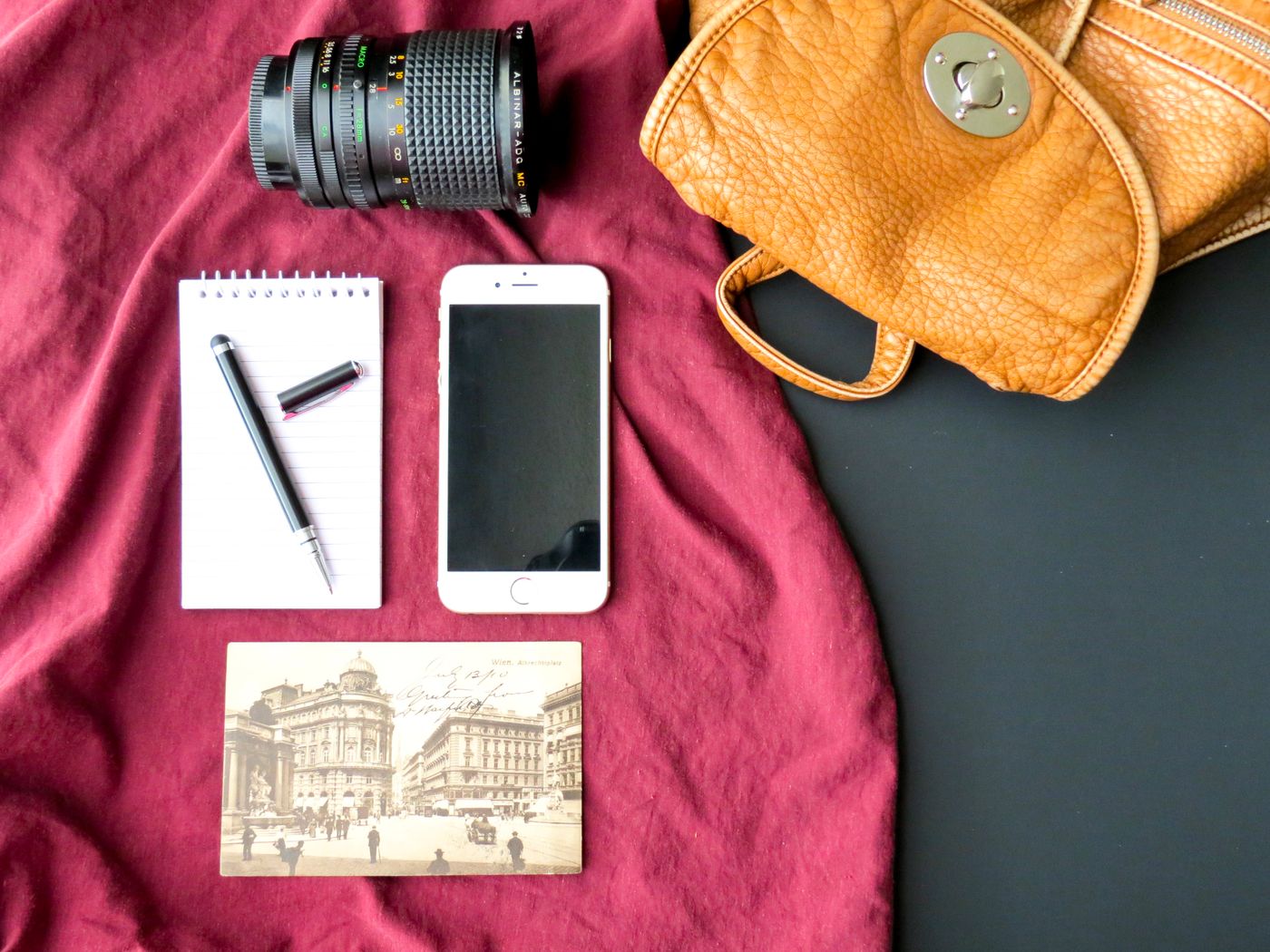
Put your most-used bag on a clear surface. Remove receipts, wrappers and forgotten objects that obscure its contents. Then distinguish regular essentials from items needed for a particular day. The first group can have stable positions; the second needs checking against your plans.
Do not adopt someone else's list without adapting it. Cycling, working at home before an outing, or spending a day with a child create different requirements. Keep the list short and concrete: keys, payment, travel pass or a necessary document. Health-related items must be managed according to their instructions and your needs, not a general storage rule.
Prepare known items the evening before
Add the book to return, signed document or object to deliver when you think of it, provided keeping it in the bag is appropriate. For food and anything needing special storage, leave a visible reminder and prepare it at the right time instead. A bag beside the door is not a substitute for refrigeration.
In the morning, check only what may have changed: weather, route, appointments and charged equipment where needed. A small note beside the bag can help while establishing the routine. Remove it once the action is familiar; the reminder does not need to become permanent decoration.
On returning, put regular items back in their usual places and remove anything needing cleaning, refrigeration or attention. Completely emptying the bag every evening is not essential, but leaving sensitive items until tomorrow may be inappropriate. Arriving home partly prepares the next departure.
If you repeatedly forget one object, change its location or reminder rather than lengthening the whole list. Check the weight too: something rarely useful can stay home. A prepared bag is not one equipped for every imaginable situation; it contains what fits your actual day. Review its permanent contents occasionally so old routines do not leave you carrying things you no longer need.