Define the album and its audience
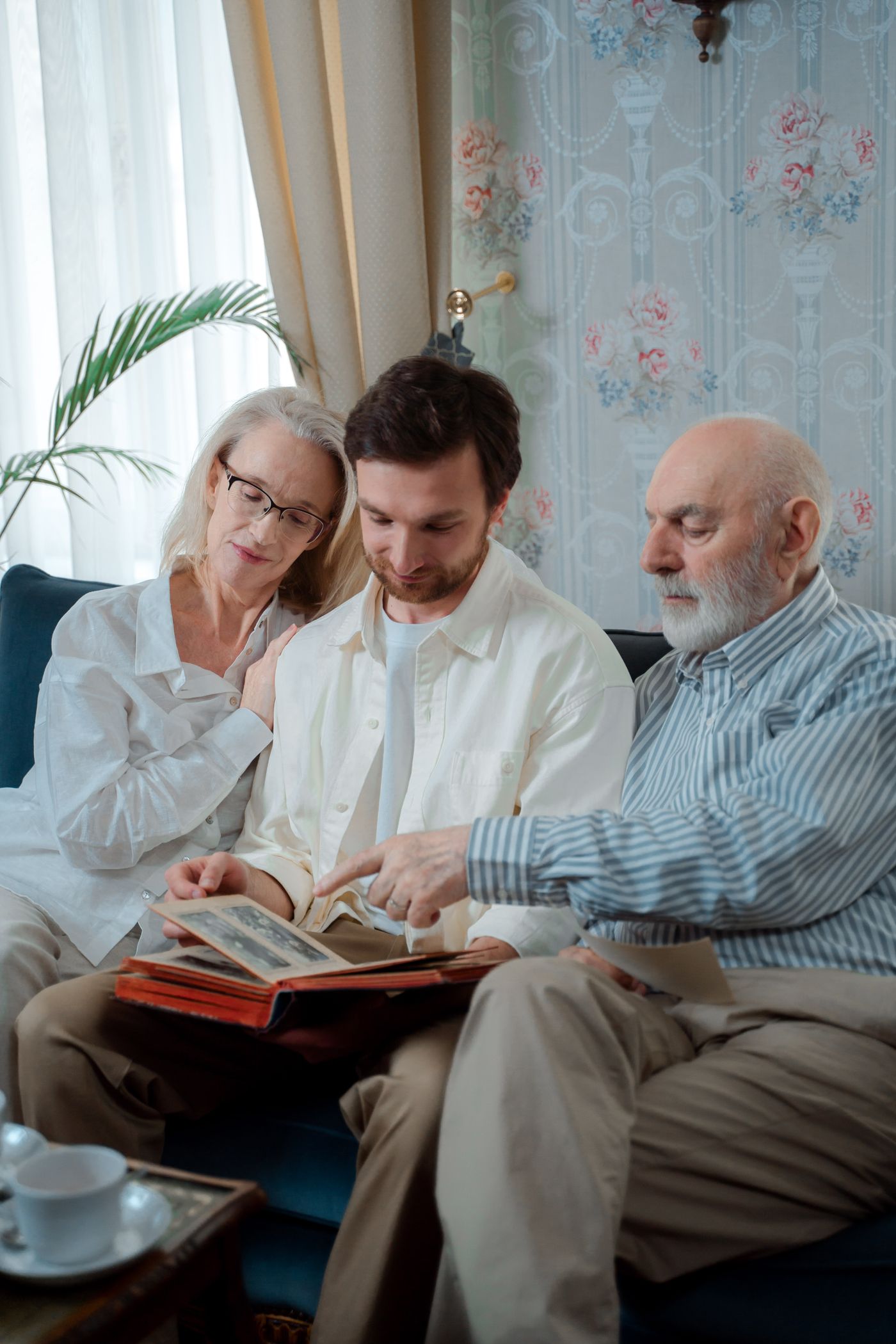
First decide who the album is for. A family copy kept at home has a different audience from a file shared online. Then choose a limited subject: one day, a house or a particular holiday. Without a boundary, selection can become an endless search through everyone's entire photo collection.
Ask each contributor for a small selection and original files if printing is planned. Images sent through messaging services may have been reduced in size. Before designing pages, confirm that people pictured agree to the intended use, especially when children or private situations are involved. Agreement to be photographed is not automatically agreement to every later form of sharing.
Decide who gathers files and who makes layout decisions. Otherwise several versions may circulate simultaneously. Use filenames that identify the contributor and scene without unnecessary personal information. Keep originals separate from cropped copies so changing the page format does not permanently remove part of an image.
If printing several copies, confirm quantity and budget with contributors before ordering. Helping choose images does not automatically imply paying for production. For a surprise gift, agree who covers the cost and allow for wrapping or delivery. Check that each recipient wants a physical copy rather than assuming everyone has the same storage preferences.
Build a sequence through variety
Combine a few wide views, details and approved portraits. Several nearly identical photographs do not always add information. Choose the image that best describes the moment, or retain a pair only when the change between them matters.
Captions can explain what is not visible: the exact place, a decision or someone outside the frame. Distinguish facts from uncertain memories. If two people remember an event differently, preserve both versions or use neutral wording rather than declaring one person the winner. A brief caption with a clear purpose is more helpful than a decorative sentence on every page.
On a spread, choose a main picture and supporting ones rather than making everything exactly the same size. Size gives the eye a starting point. A page can remain nearly empty when one photograph carries the memory. Turn through a draft or preview to check order, because a series of attractive individual pictures does not automatically form a readable sequence.
A sequence can follow time, a journey or a theme. Choose what helps the reader rather than imposing chronology when dates are uncertain. For an album about a house, moving from exterior to rooms and then details may be clearer than arranging everything by year. Write the organising idea in one sentence to guide later choices.
Review before making the final copy
Prepare a simple draft and let contributors check their pictures and relevant information. Misspelled names and uncomfortable photographs are easier to correct before printing. Allow a reasonable response period and make clear who will implement final changes.
For a printed album, check small captions for readability and keep faces away from the central fold. For a digital folder, review access permissions instead of assuming that it is private. Save an identifiable copy of the final version. Images not chosen can remain in personal archives: leaving a picture out of a layout does not mean the memory it records has no value.
Before a substantial print order, review the service's resolution warnings and consider a test copy where appropriate. Colours and small details may differ from the screen. For a handmade album, use photo-suitable materials and avoid potentially damaging adhesives. A sleeve can preserve the original while keeping the page easy to read and rearrange.
Check the cover and opening page too. They may reveal a full name or address that does not need displaying. A more general description can suit an album circulating between households. For digital sharing, test access as intended and explain whether recipients may forward the link. Technical settings do not replace this agreement about circulation.