Choose for the journey
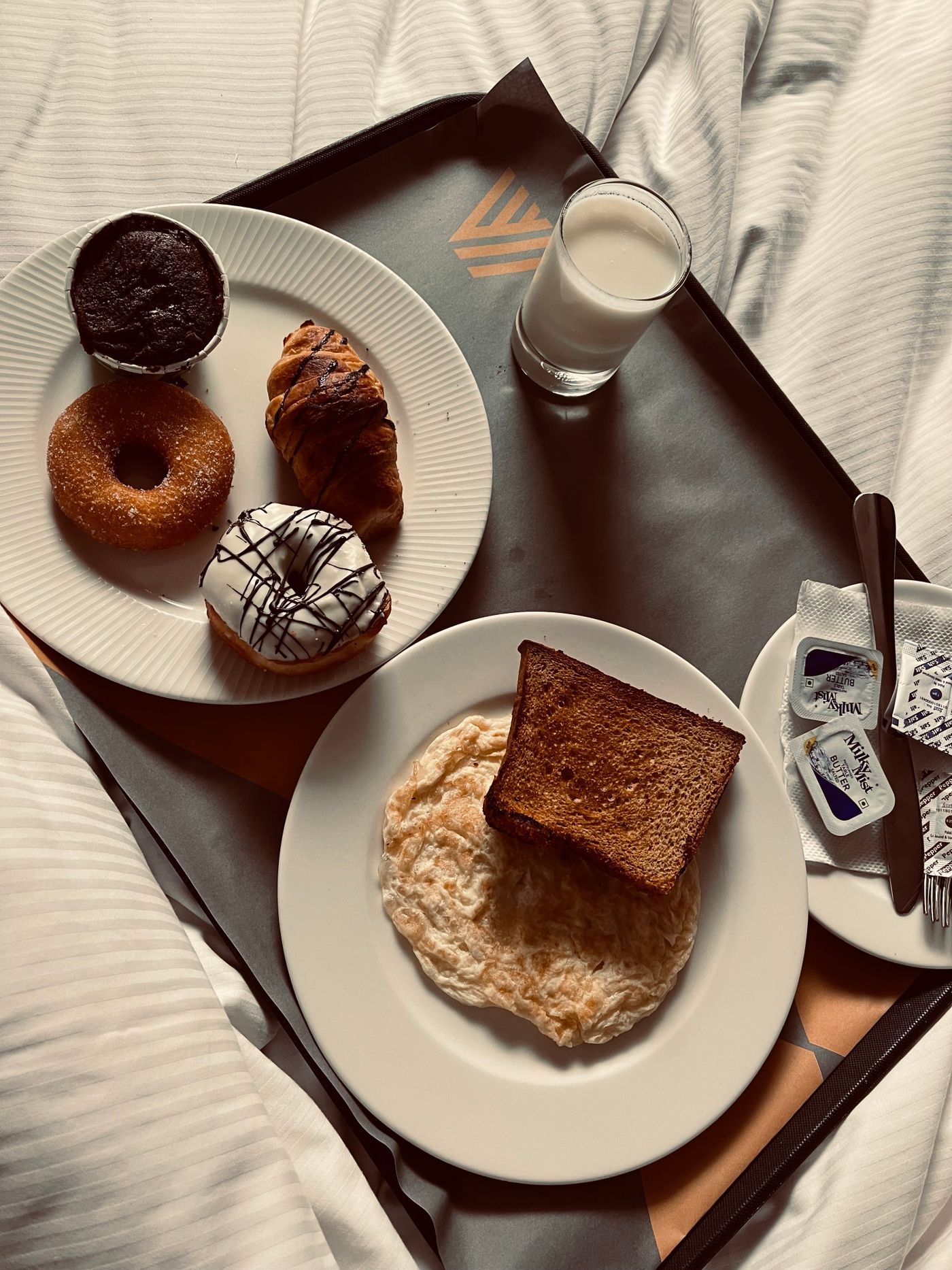
A tray needs to be rigid enough for its contents, with grips you can hold comfortably. Try it empty along the intended route, especially if you must open a door or go around furniture. A large surface holds everything but becomes cumbersome and heavy once filled. Two light trips are better than one uncertain journey.
Prepare the place where you will set it down. On a table, check that the tray is fully supported. Near a bed or sofa, use a suitable stable surface rather than cushions. Hot drinks and soft supports are a poor combination. Do not carry a child and a loaded tray simultaneously.
Place things in order
Begin with the heaviest objects and distribute them near the centre without obstructing the handles. A cup filled to its rim spills at the slightest movement, so leave space and serve more later. Put food in containers that do not slide easily and lay cutlery flat with no points extending beyond the tray.
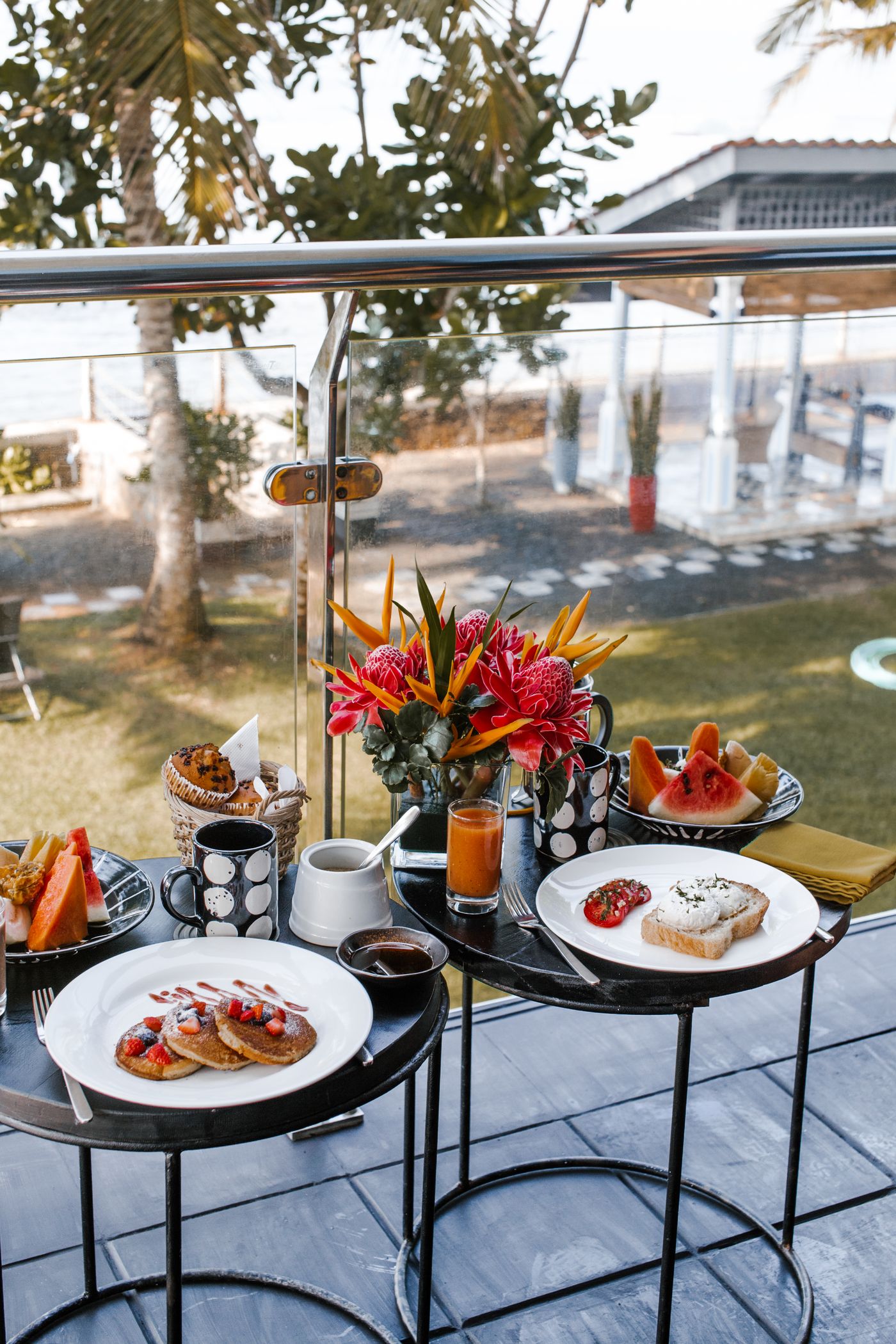
Choose a meal suited to this form of service. Toast, prepared fruit and a bowl may be enough. Food needing refrigeration should remain chilled until the last moment. If preparing breakfast for someone else, check preferences and dietary requirements instead of adding items merely to make a photograph look more generous. Familiar crockery often works better than a special set you have not tested.
Add only what remains useful
A napkin and a small dish for a used bag or fruit peel prevent waste accumulating on a neighbouring surface. A vase is optional; remove it if it occupies hand space or might fall. The tray should allow someone to eat without dismantling an arrangement first.
After breakfast, carry spillable items separately if the remaining load has become unbalanced. Clean and dry the tray according to its material before storing it. If you use it often, give it an accessible vertical or flat position rather than hiding it beneath a stack. A straightforward service is more likely to become a pleasant routine than an elaborate arrangement reserved for special occasions.