Choose the size of the visit
Check the venue's official website for opening hours, tickets, access arrangements and temporary room closures. Information in an old article may no longer apply. Look at a floor plan if you want to limit stairs or walking. A short visit can focus on one room, one period or one material; it does not need to cover the entire collection.
Decide on a priority beforehand. Choose three works to examine or one question, such as how artists represent a window. An intention helps you avoid reading every label out of obligation. Leave room for an unexpected object, however. A route is a useful starting point rather than a contract that must be completed.
Look before reading
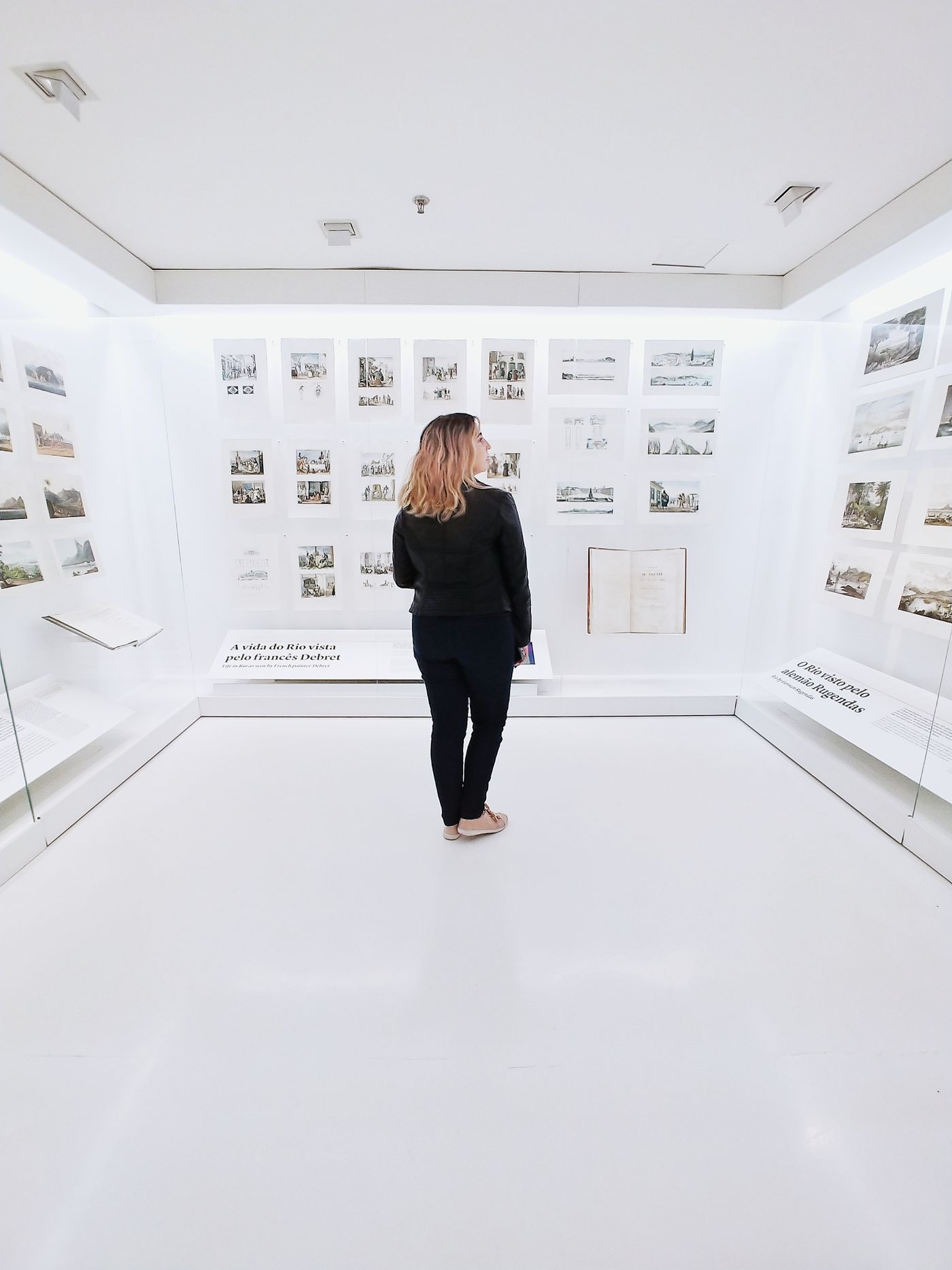
Spend a moment describing what you see before searching for an explanation. Where does your eye go first? Which colours or materials can you identify? What remains difficult to understand? Then read the label and notice what the information changes. This separates your own observation from the account provided by the exhibition.
In a group, give everyone a chance to offer a comment before discussing it. One person may notice the technique while another focuses on the scene. Avoid making the conversation a quiz with one person holding all the correct answers. If a child becomes tired, change the pace or finish rather than repeatedly promising that there is only one more room.
Keep a record without photographing everything
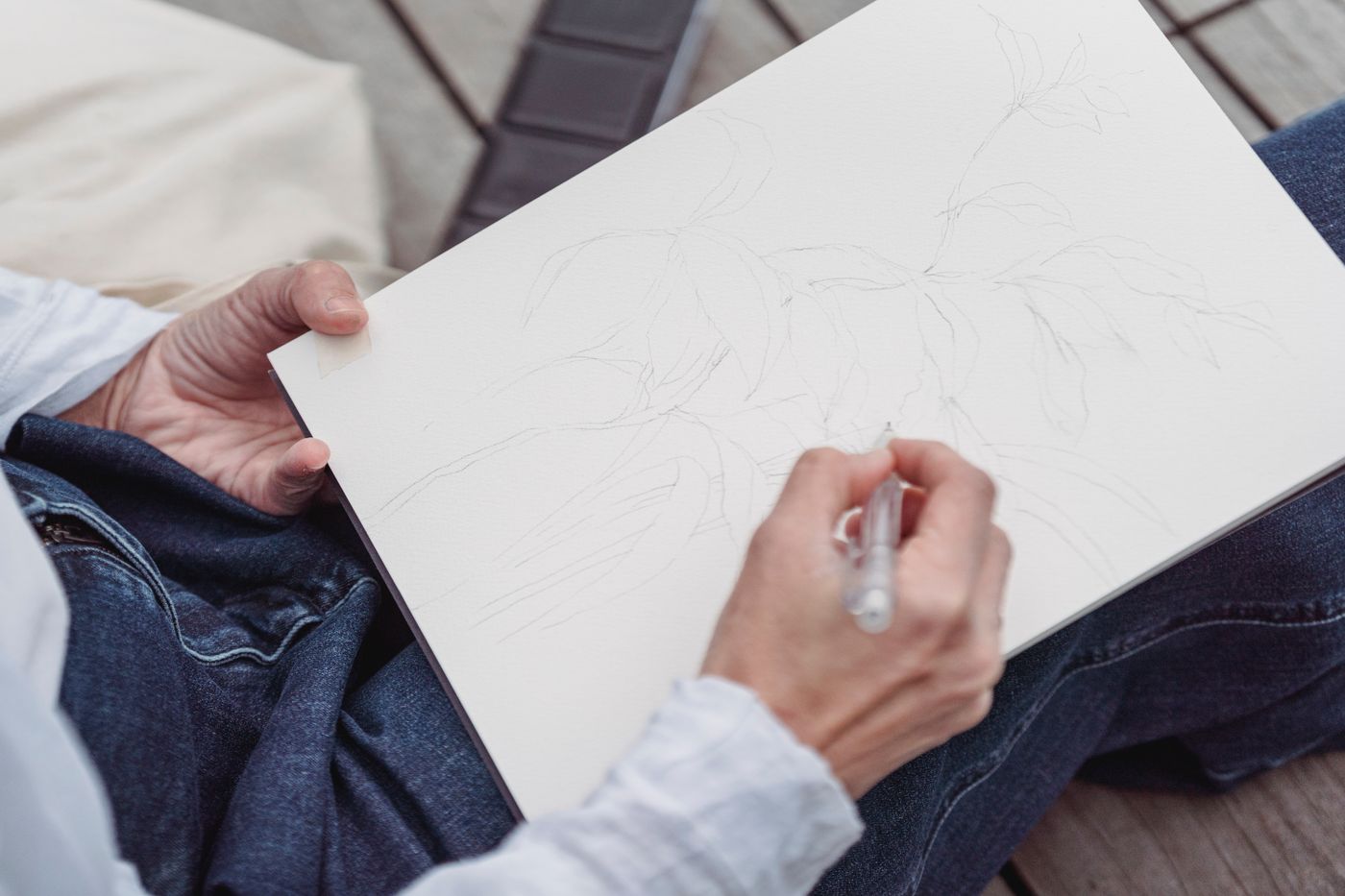
Check photography rules and respect restrictions, including those concerning flash. Recording a title and maker may be enough to find an object again. A quick sketch of a shape or a few words about a material can preserve your question better than a photograph taken while passing.
Take breaks in designated spaces and keep the required distance from exhibits. Afterwards, choose one thing to explore through an official source: a technique, an object or the background to a collection. Other rooms can wait for another visit. Leaving some sections unseen provides a reason to return rather than evidence that you failed to see enough.
Exchange one object to look at
On a visit for two, each person can choose one object to show the other. Allow a few minutes within an agreed area, then meet at a precise point. The selector can first ask what the other person notices before explaining their own reason. This may reveal a detail unrelated to the original attraction.
Keep this optional and compatible with the group's movement and supervision needs. With a child, search together rather than sending them alone through an unfamiliar place. If selected works are in different rooms, check that the detour fits the planned duration. Showing a choice should not require crossing the whole museum to prove its importance. One nearby object can support a conversation just as readily as the work featured on the venue's publicity.