Ask before recording
Suggest a conversation about a limited subject: a house, daily journey, occupation or celebration. Explain what you hope to keep and who may read or hear it. Obtain explicit agreement before recording. The person may prefer notes, an unrecorded conversation or no interview at all, and those options must remain available.
Choose an unhurried time and a reasonably quiet place. Prepare a few questions without treating them as a form that must be completed. A short conversation can be more comfortable than a long session nobody feels able to end. Allow breaks and water according to the person's needs rather than following a fixed interview duration.
If recording, test with an ordinary sentence and check playback. Place the device stably without holding it uncomfortably close to the person's face. Explain how recording can be paused or stopped. Keep a simple alternative if equipment fails: notes may be enough, and the whole conversation does not need repeating to obtain a perfect version.
Arrange a seat the person finds comfortable, with glasses or an object they want to show within reach. If several relatives attend, agree on one person asking questions, with others contributing later. Simultaneous interruptions make the account difficult to follow and can silence someone who needs longer to answer. A smaller audience may also feel less like a performance.
Begin with something concrete
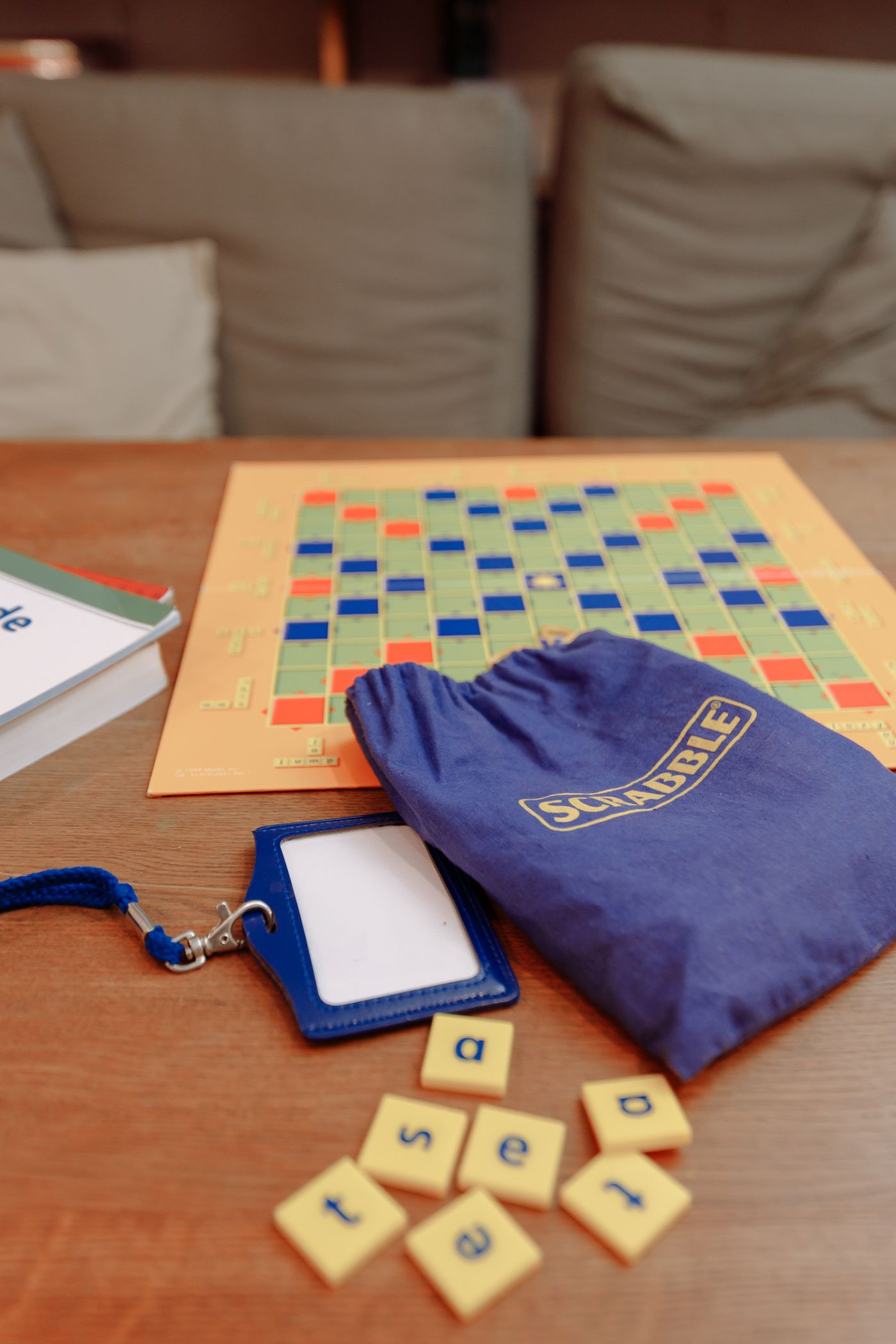
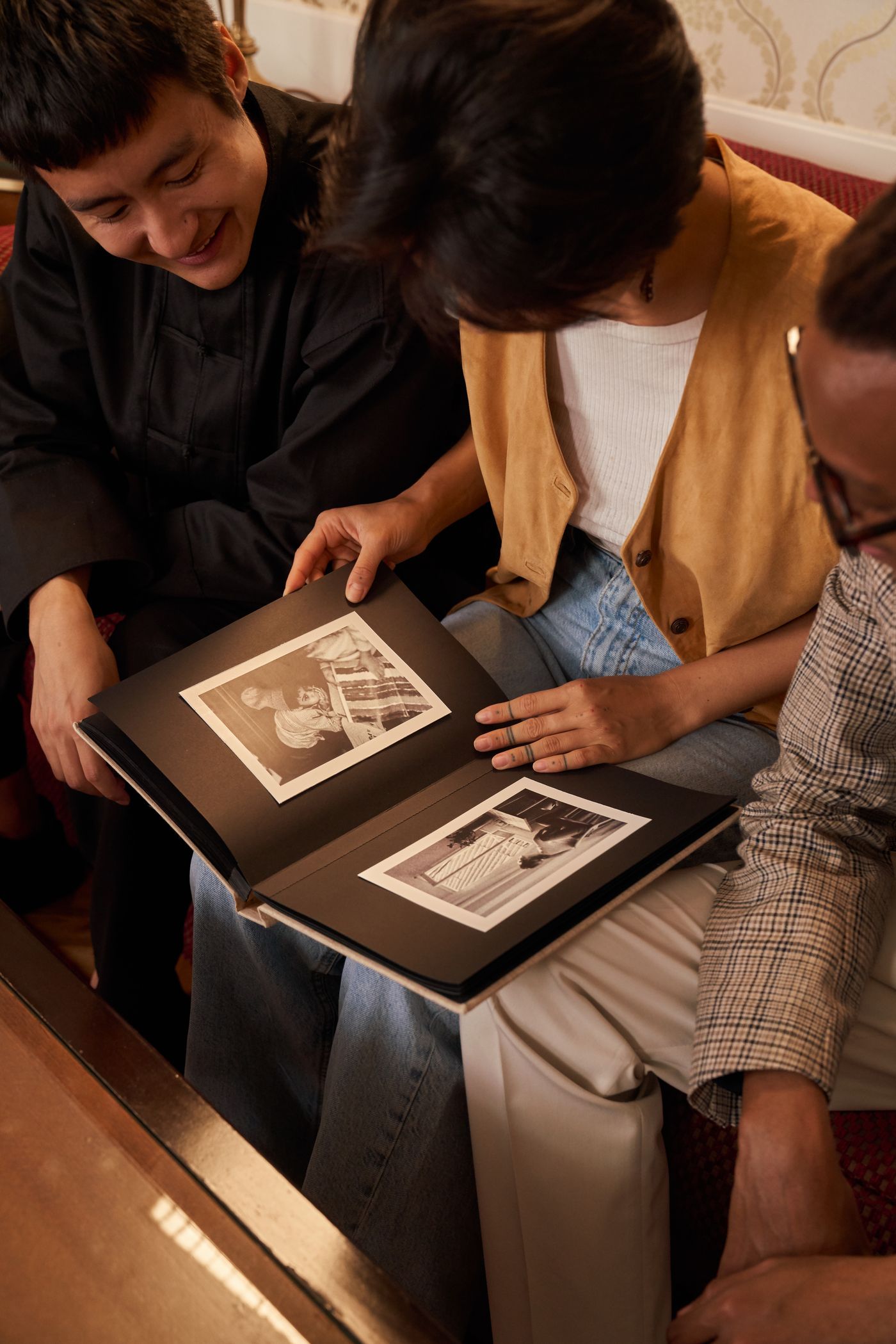
A photograph or object can provide a starting point, with permission. Ask what the person notices, where an object was kept or what an ordinary day involved. Open questions leave more room than assumptions to confirm, such as saying they must have been very happy at that time.
Allow silence and avoid finishing sentences. If a memory becomes sensitive, offer to change the subject or stop. Do not pursue a revelation to make the account more interesting. A story about a journey, meal or neighbour can matter without containing a dramatic event. Let the storyteller decide which details they want to explore.
A few factual follow-ups can clarify without directing: who was there, how was the journey made, what object was used? Avoid asking several things in one sentence. If a name is unclear, note the question instead of interrupting the flow every time. Use the end to check two or three details with the person's agreement.
When two people tell a story together, do not require immediate agreement on every detail. Record who remembers what. A disagreement about sequence need not invalidate the whole account. If discussion becomes tense, return to something concrete or leave the question open. The purpose is not to deliver a family verdict or resolve every old dispute during one recorded conversation.
Preserve uncertainty honestly
Afterwards, record the date of the conversation and distinguish confirmed dates from estimates. Mark any information checked elsewhere as separate from the spoken account. Memory can be incomplete without requiring you to correct every sentence as it is said.
Ask the person to read or hear the version you want to retain or share. Remove passages they decline and respect information about other people. Store the file securely, with a backup if agreed. Give the storyteller a copy in a format they can access. The result comes from a relationship and an agreement, not simply from the work of whoever asked the questions.
Name files clearly and record agreed restrictions, such as family use without publication. Shared links can be forwarded, so set access accordingly and review it if agreement changes. If the storyteller later asks to remove a passage, identify copies already distributed and work to apply the change beyond the main file.
In transcription, preserve meaning without turning the words into a voice that does not belong to the speaker. Remove repetitions with agreement, but never fill inaudible passages with guesses. Mark uncertainty. A brief factual introduction can identify who is speaking, when and about what. Keep the original recording where agreed so later editing remains distinguishable from the conversation itself.