If keys always end up on the kitchen table, a handsome hook beside the door will not necessarily change the habit. Notice what happens when you arrive: are your hands full of shopping, do you put down a bag first, or take off your shoes? Position the storage where one hand becomes free. This might be a small entrance surface or a compartment in the furniture that already receives the post.
Choose a shallow container wide enough to drop the bunch into without careful aiming. A deep bowl soon mixes keys with coins and scraps of paper. For several residents, separate dishes or clearly divided spaces prevent rummaging. However, keep keys out of sight from outside and beyond reach through a letterbox or opening. Being close to the door should not be the only consideration.
Separate things that go out again
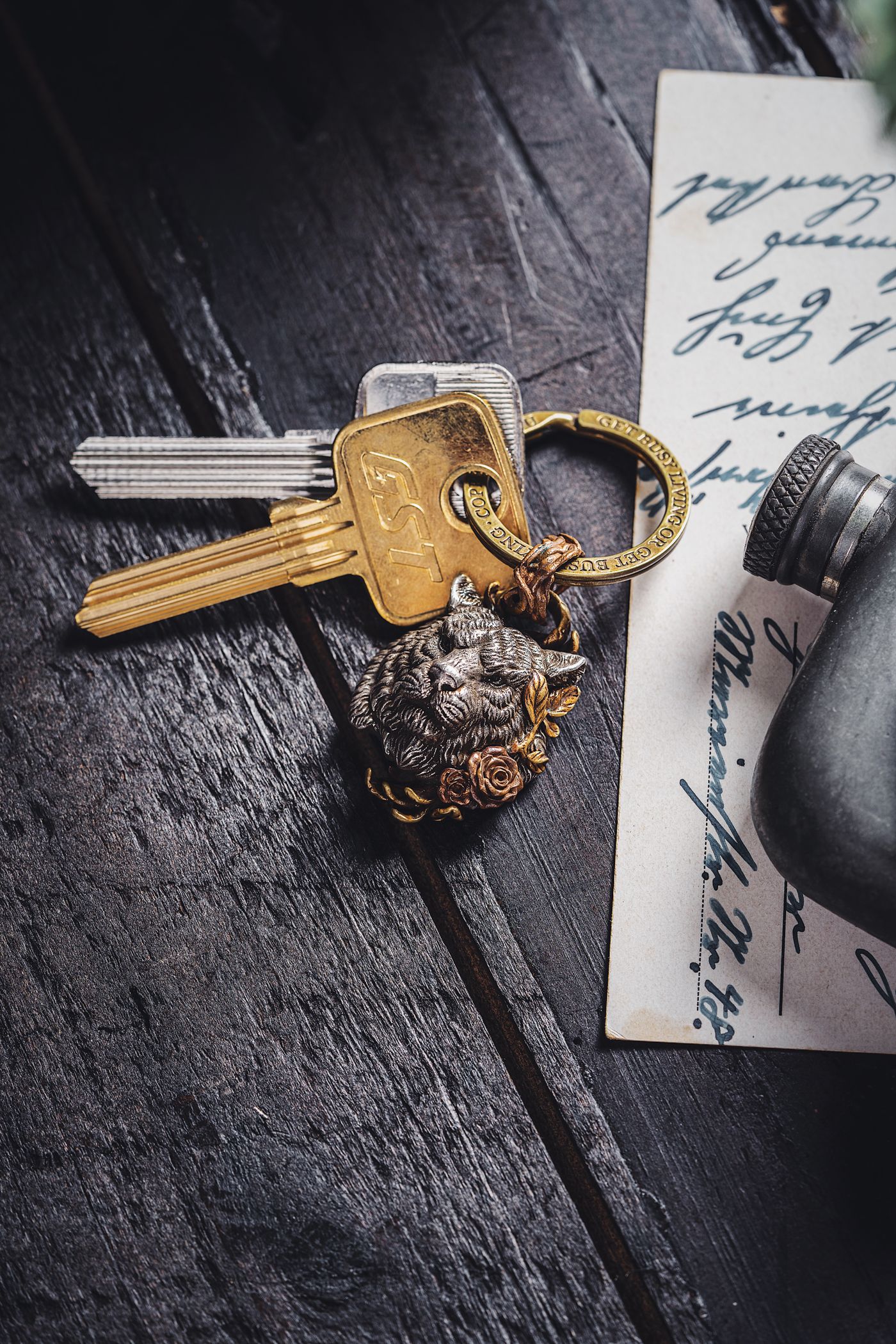
Daily keys can share their place with a pass or travel card, but not with every spare key in the household. Keep rarely used keys somewhere else, identified and secure. Avoid attaching a label with your full home address to a bunch you carry outdoors. A colour marker is often enough to distinguish two similar keys.
Beside the dish, you might allow a small space for something that must leave with you tomorrow. Do not make this permanent storage: a library book or an envelope to post occupies it briefly, then the space becomes free again. Heavy bags and shoes should not block the route below. If children live with you, make their belongings accessible without exposing sensitive keys.
Consider what happens when several people arrive together. Everyone should be able to put things down without covering someone else's belongings. A space for two key sets is not necessarily large enough for two phones, gloves and the post. Decide what genuinely belongs in this area, then give everything else another destination. Separating purposes matters more than adding another row of compartments to the same small surface.
If you often change bags, avoid making one bag the only home for your keys. A fixed location simplifies transfer to tomorrow's bag. However, if you always keep keys in a secure pocket, the station may mainly hold things that need to leave with you. You do not need to abandon a working system to reproduce an entrance organised for someone else's habits and household.
For a week, return keys to the chosen place immediately on arrival. If they keep landing elsewhere, move the dish rather than adding another identical station. A useful arrangement is visible at the right moment and easy to use with one hand.
Clear the inevitable accumulation of receipts, wrappers and coins that hide the keys. This system does not require a large piece of furniture or a printed reminder. Its purpose is simply to let you leave without searching and find the same clear place when you return.