
Everyday rituals
Read ten pages without turning reading into homework
Use a small quantity as a starting point, not a target you must catch up on.
Reading, notebooks and organisation: finding room for activities in an ordinary day.
Use a small quantity as a starting point, not a target you must catch up on.

Choose a short entry and let ordinary days remain ordinary.

Prepare necessary information before putting the device elsewhere.

Make a small collection you can find again without sorting the whole library.

Choose a realistic quantity and give loans their own place.

Choose one surface and actions that genuinely fit a short interval.
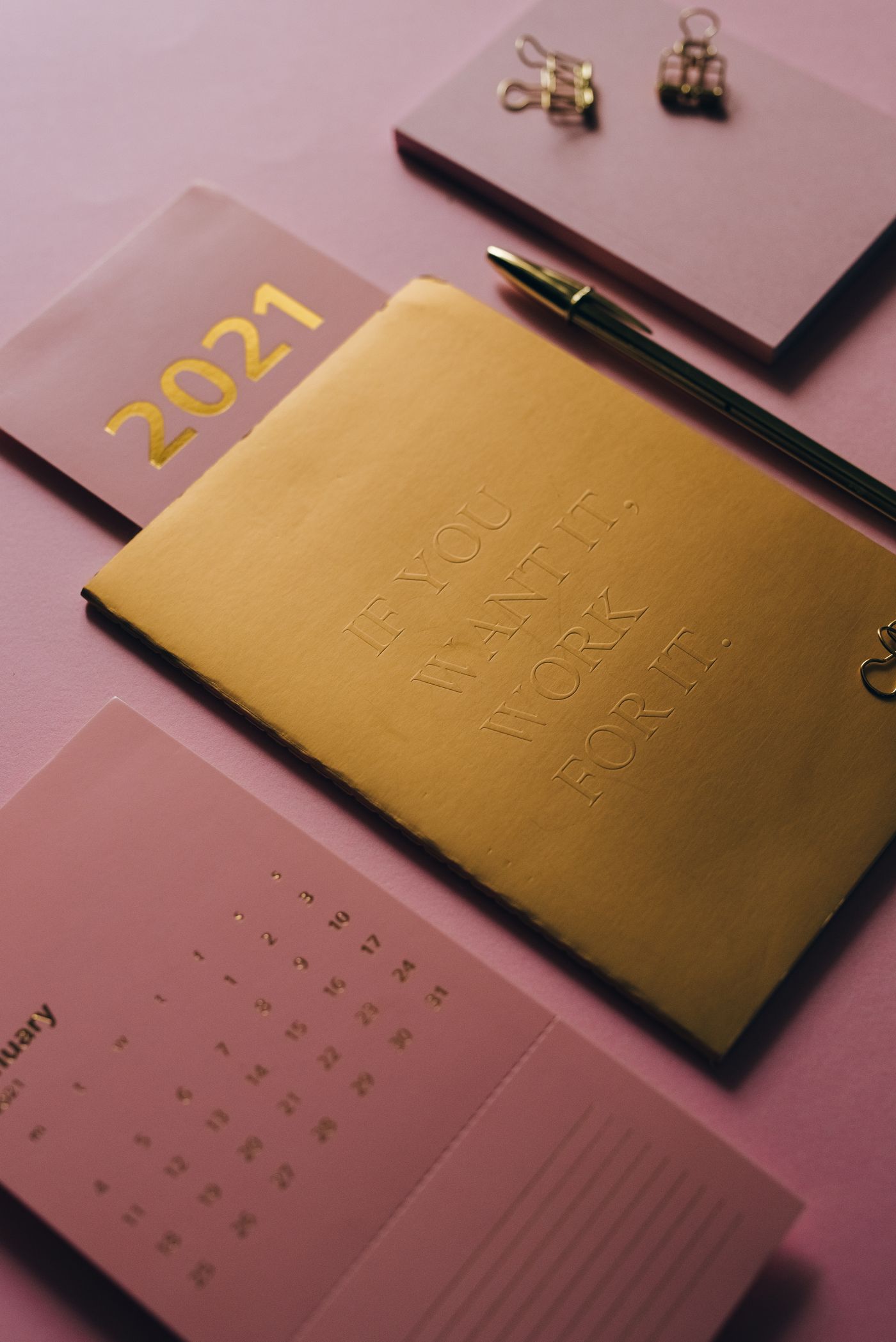
Keep one chosen outing and allow room for things that take longer than expected.
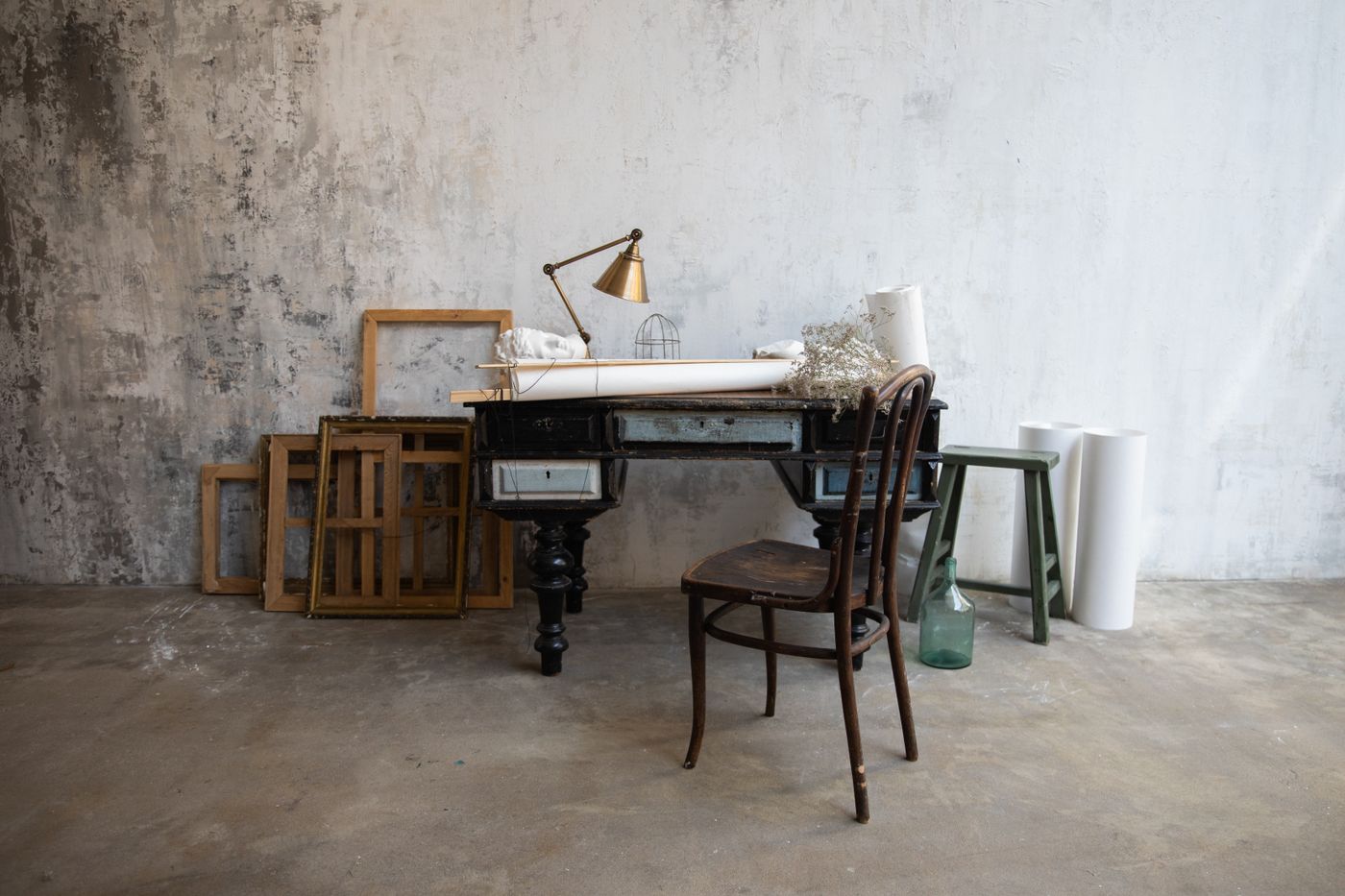
Define an observable result and limit the equipment before starting.

Record three details without turning the outing into a mission.

Separate inspiration from things you have actually decided to do.
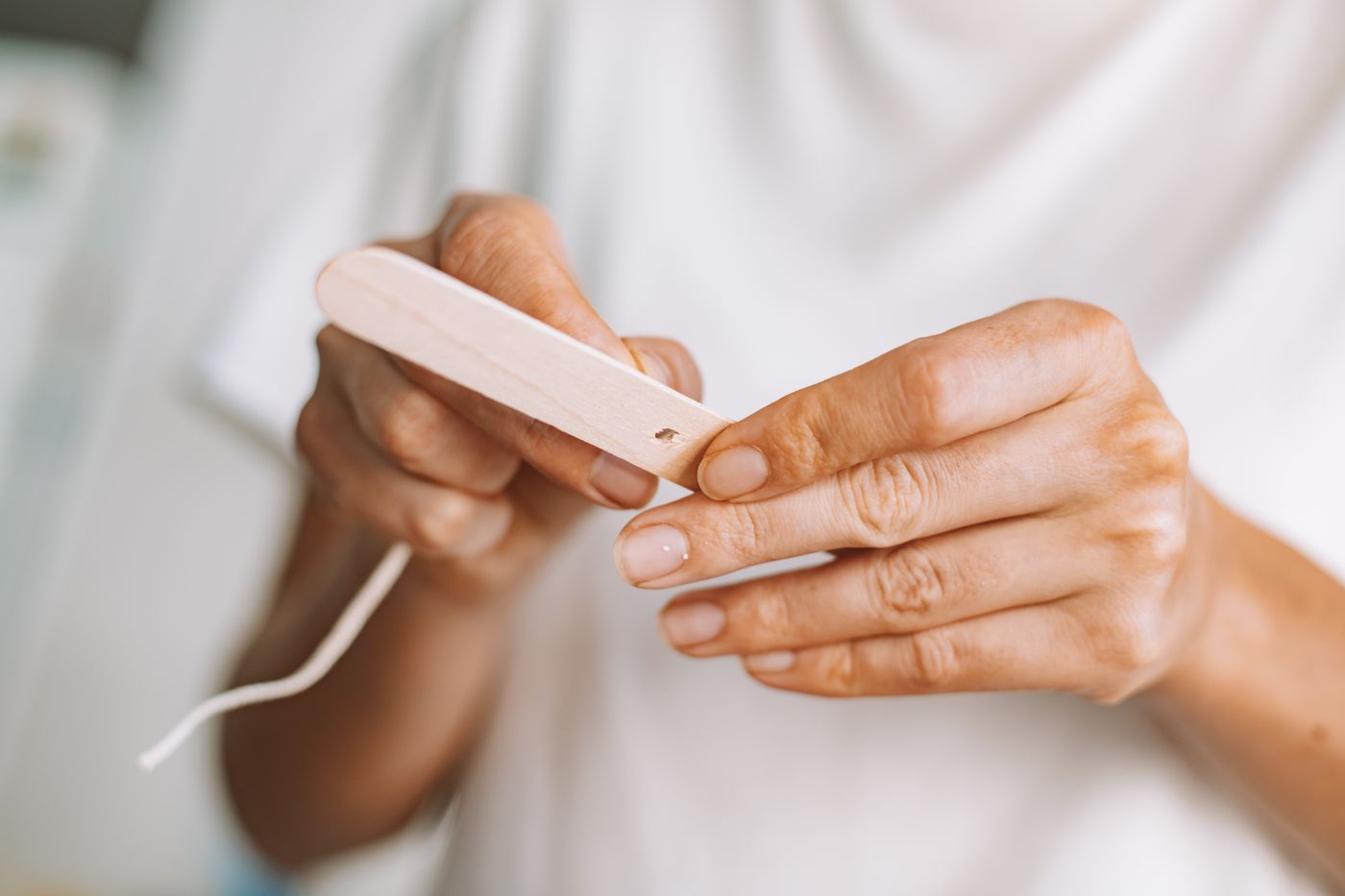
Find the next action before deciding whether the result is still worth completing.

Agree on what needs sharing before choosing the tool.
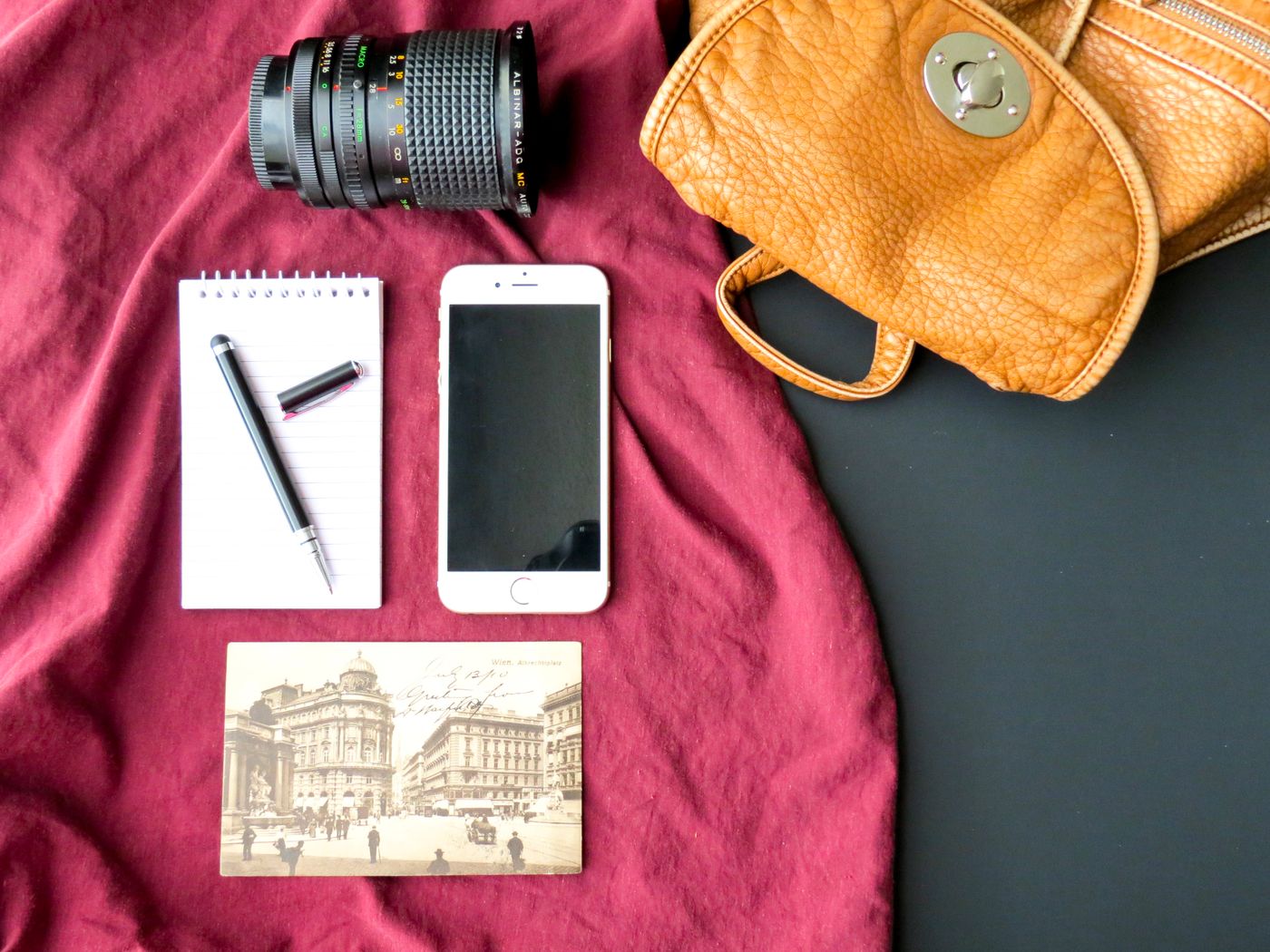
Separate permanent essentials from what depends on the day.
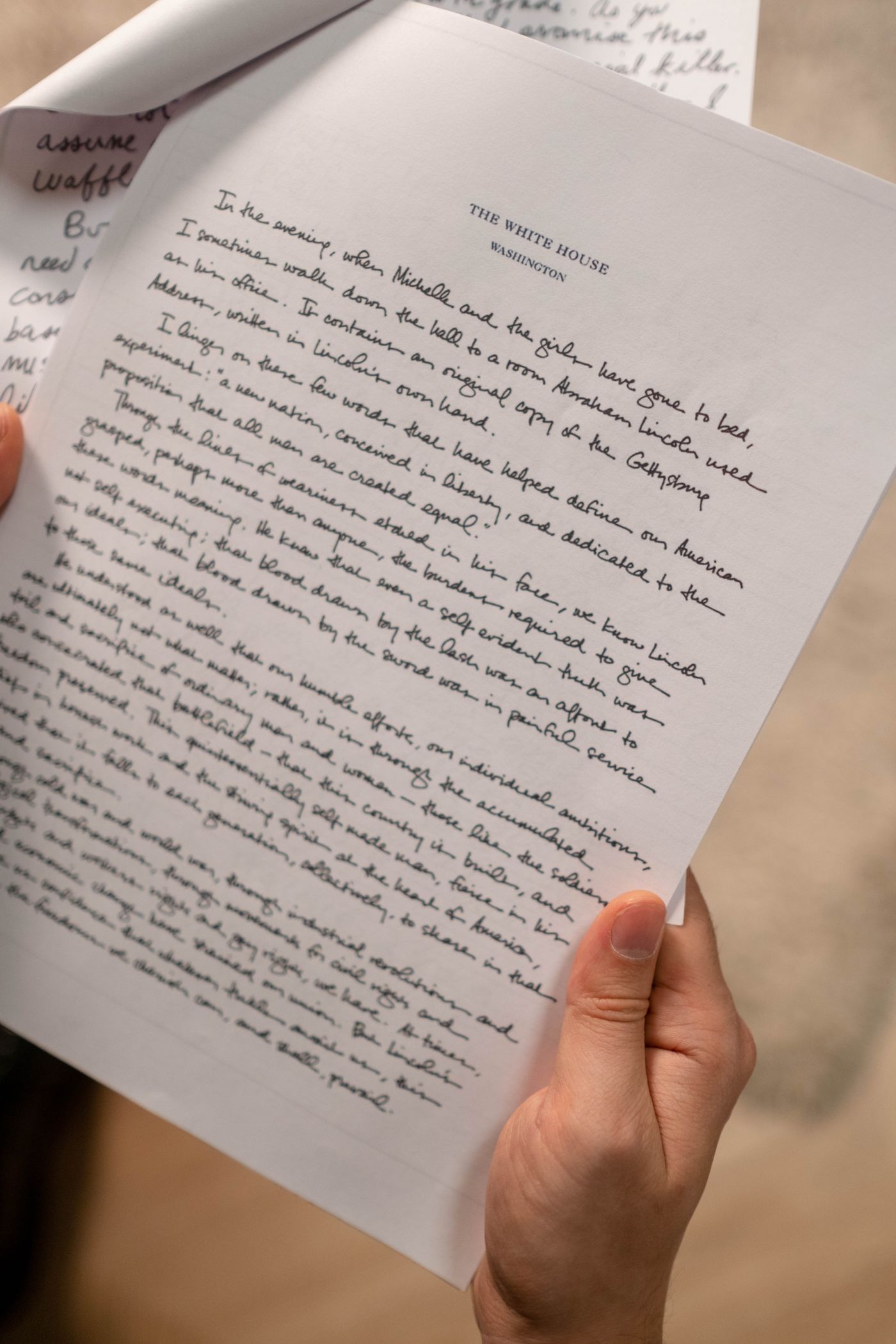
A specific memory and one question can be enough to begin.
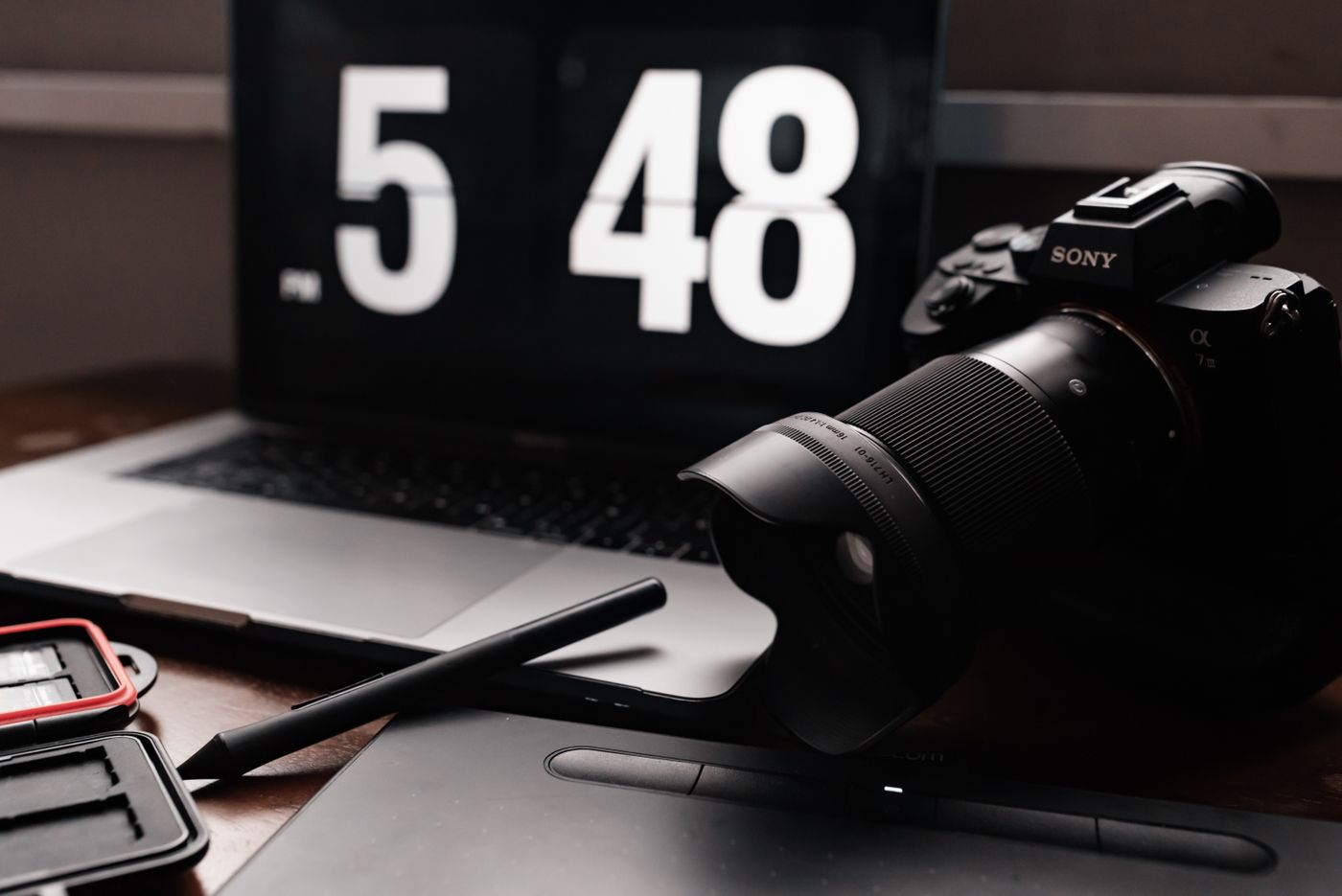
Begin with a small working copy and distinguish sorting, synchronisation and backup.

Return to a window, tree or short route to notice ordinary changes.
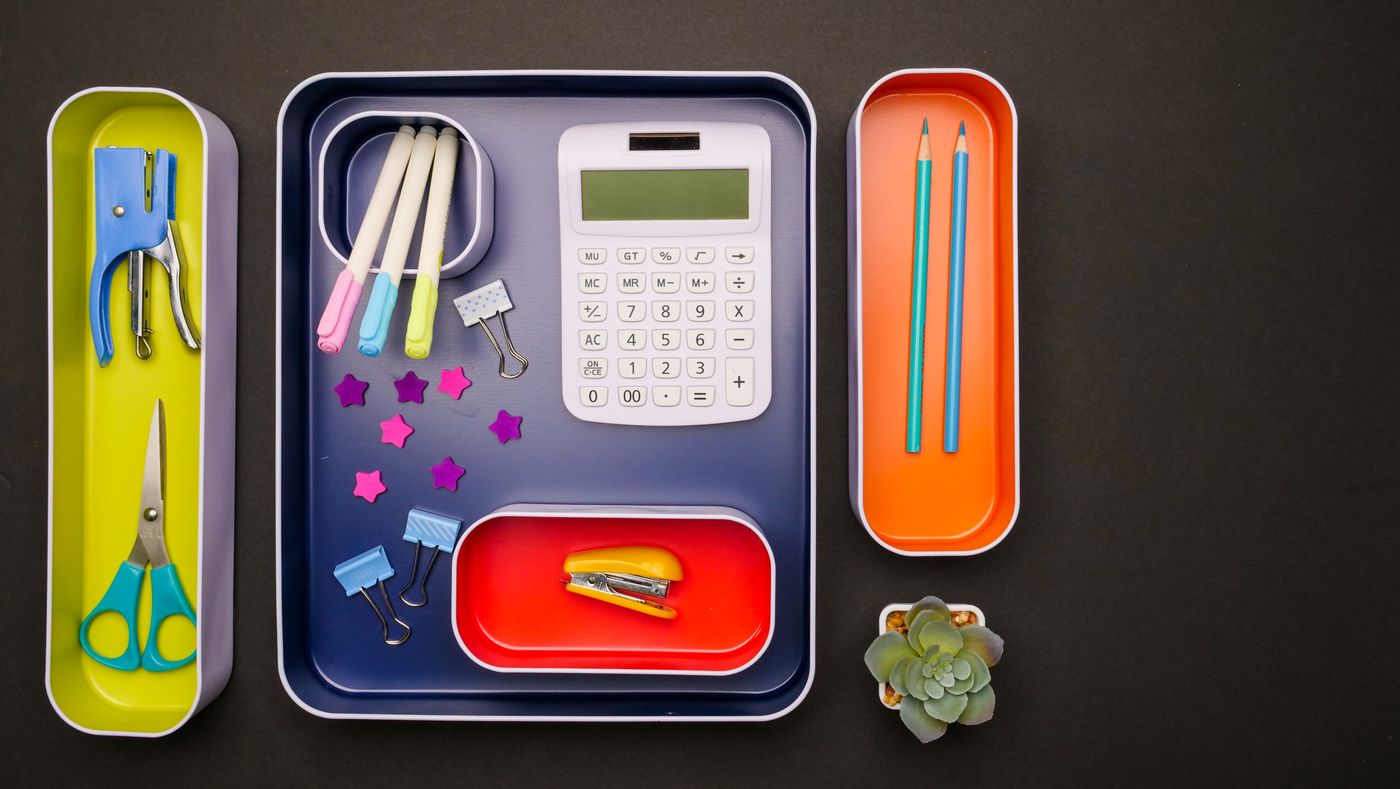
Inventory one activity and distinguish useful reserves from forgotten materials.